India’s GDP Data Should ‘Alarm’, Says Raghuram Rajan
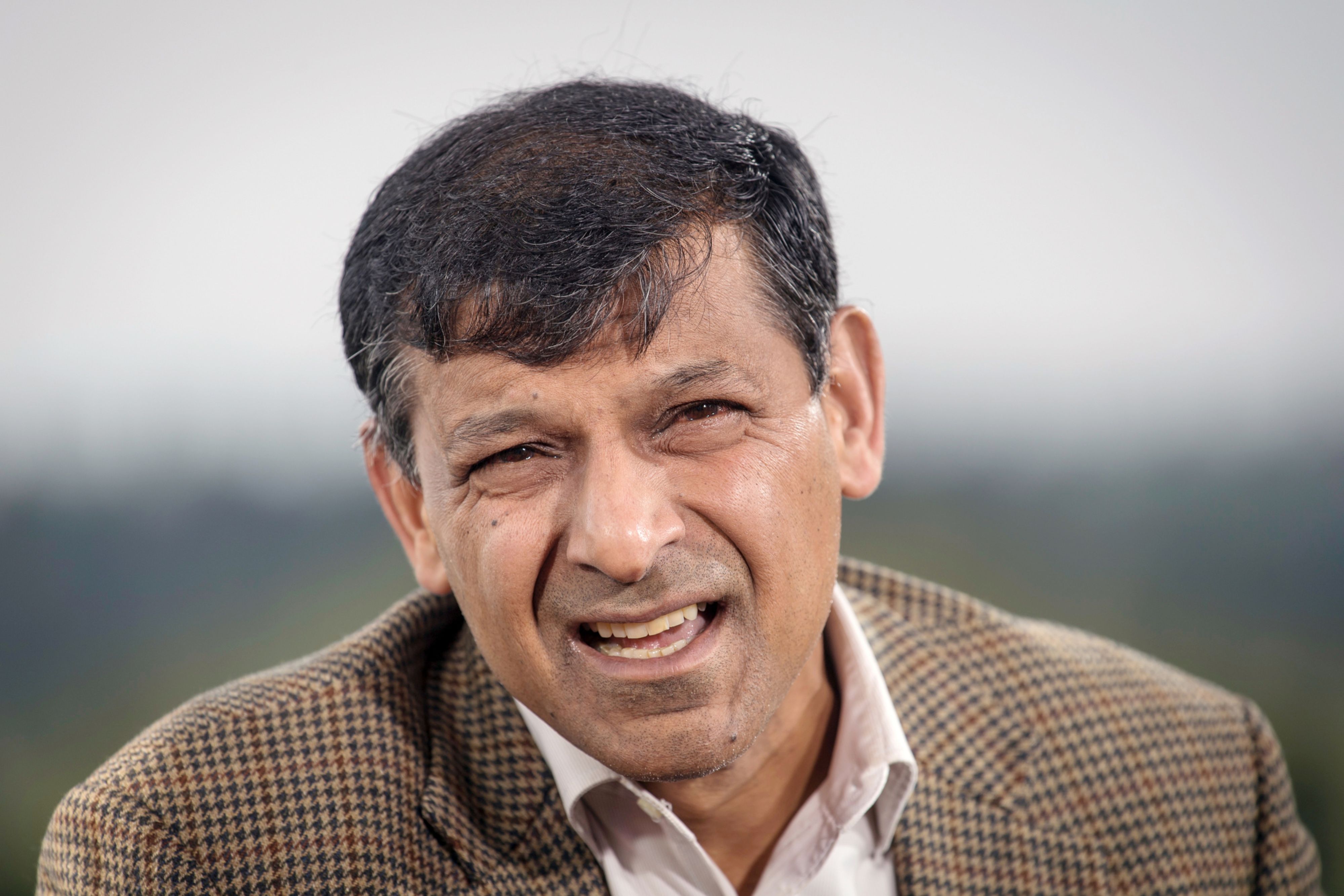
Former Reserve Bank of India Governor Raghuram Rajan said India's GDP data should “alarm” all of us. The reported 23.9% contraction in the economy is likely to worsen when informal sector data is accounted for, Rajan wrote in a post on his LinkedIn page on Sunday night.
The damage to the Indian economy is far worse than in the U.S. and Italy—two of the worst affected by the pandemic, said Rajan, adding that the discretionary spending in India will remain weak until the virus is contained.
The pandemic is still raging in India, so discretionary spending, specially on high contact services like restaurants, and associated employment, will stay low until the virus is contained. Government provided relief becomes all the more important.Raghuram Rajan, Former RBI Governor
This relief from the government has been meagre, Rajan said.
The former RBI governor said the government's strategy to conserve resources today for a possible future stimulus is “self-defeating”. “Government officials who hold out the possibility of a stimulus when India finally contains the virus, are underestimating the damage from a more shrunken and scarred economy at that point,” Rajan said.
If you think of the economy as a patient, relief is the sustenance the patient needs while on the sickbed and fighting the disease, he said.
Without relief, households skip meals, pull their children out of school and send them to work or to beg, pledge their gold to borrow, let EMIs and rent arrears pile up. Similarly, without relief, small and medium firms—think of a restaurant—stop paying workers, let debt pile up or close permanently. Essentially, the patient atrophies, so by the time the disease is contained, the patient has become a shell of herself.Raghuram Rajan, Former RBI Governor
The belief that the government cannot spend on both relief and stimulus, is too pessimistic, Rajan said, highlighting the need to expand resources and spend cleverly.
By setting future debt reduction targets through legislation and committing to honest and transparent fiscal numbers under an independent watchdog fiscal council, India could borrow more, Rajan said. He added that public sector firms should be prepared for on-tap share sales to make use of periods of market buoyancy. “The current period of market buoyancy already looks like a missed opportunity.”
An equally key task will be to prioritise government spending. Rajan suggested the following:
- Replenish MGNREGA
- Given the length of the pandemic, provide more direct cash transfers to the poorest households, especially in urban areas.
- Government and public sector firms must quickly clear payables.
- Rebates could be provided on corporate income tax and GST paid by small firms last year.
- Resources should be set aside to recapitalise public sector banks.
- Cash rich platforms like Amazon, Reliance and Walmart should be urged to reduce receivables and pay small suppliers in a timely manner.
With the RBI provided loan moratorium now over, Rajan said the government should have a well thought-out plan to deal with the coming financial distress.
- A variety of structures should be in place to help debtors and claimants reach agreements to restructure obligations.
- A number of arbitration forums should be set up to renegotiate claims of various sizes.
- Civil courts, debt recovery tribunals and the NCLTs should be beefed up to provide rapid back-up judgments.
While reforms can be a form of stimulus, temporary half-baked reforms such as the suspension of labour protection in a number of states, will do little to enthuse industry or workers, he said.
Each of these steps will be needed to ensure that India returns to strong growth, which is needed to satisfy the aspirations of the youth and keep unfriendly neighbors at bay, said Rajan.
The recent pick-up in sectors like auto is not evidence of the much awaited V-shaped recovery. It reflects pent-up demand and will fade as we go down to the true level of demand in the damaged, partially-functioning economy. No doubt, the government and its bureaucrats are working hard as always but they need to be frightened out of their complacency and into meaningful activity.Raghuram Rajan, Former RBI Governor

-
A New Samvat Wishlist: Inclusive Prosperity And Human Development

India has strengthened its economic foundations through infrastructure, digital access and enterprise. Its next growth chapter must deepen productivity, create better livelihoods and widen participation in prosperity.
-
Love, Sex Aur Dhokha: The Audacious Plot To Spy On Jensen Huang
A Taipei dinner, a Singapore chip buyer and a suspected Chinese asset: inside the alleged spy operation that got close to NVIDIA's Jensen Huang.
-
Ten Things I Learnt This Samvat
Patience can be a trap. Cheap stocks can stay cheap. Leverage can wipe you out. What did Samvat 2082 teach us? Niraj Shah writes on 10 lessons from the year gone by.
-
Talking Points This Week: Tech Nerves, FII Buying, And A Faraway Banking Shock
The global markets are not shining this Diwali. The exception in the large markets is, India.
-
Midterm Rally Lasted A Day. The Hard Reality Of A Divided US May Last Two Years | Opinion
Between a contested AI boom, a debt ceiling that arrives in 2027 and a president with every incentive to act alone, the next two years may prove more volatile than the first day's rally suggests.
-
Blue Wave Will Derail the AI Trade but Won't Dismantle the AI Era | Unhedged Position
The Democrats' sweep of the US Congress will see politics collide with economic forces both over the long and short term.
-
It's Time To Take The GST Council's Bet On Trust Global
Payment records can prove India's services exports, and clear, proportionate rules can bring foreign digital sellers into the tax net.
-
Opinion | India at 38: From Innovation Overperformer to Innovation Powerhouse
India now has 453 VC-backed deep science startups, 18 of them late-stage, after 117 percent growth since 2020. Laurus Labs, at USD 9.3 billion, is the most valuable deep science company in any middle-income economy outside China.
-
Navigating Energy Crossroads: S Jaishankar's Call For Diversified Supply Chains At G20 Ministerial Meeting
As geopolitical fault lines continue to test maritime trade routes and commodity flows, Jaishankar's message remains pertinent: true economic resilience requires open markets, protected transit lines, and a genuine commitment to multilateral cooperation rather than coercion.









