Indian Tech Start-Ups Woo Talent Back From America
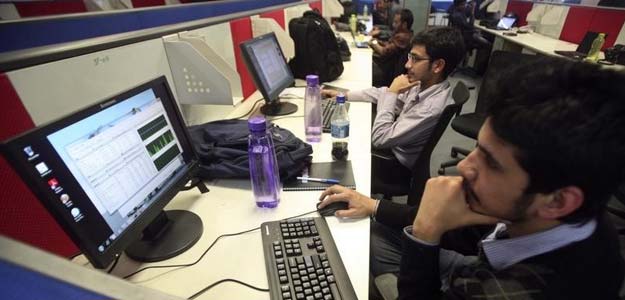
Mumbai: After losing top engineering talent for years to America's tech heartland of Silicon Valley, India is luring them back as an e-commerce boom sparks a thriving start-up culture, unprecedented pay, and perks including free healthcare for in-laws.
India's IT industry has long been seen as a back-office backwater, even by its own engineers who started moving abroad in their droves in the 1970s. That is now changing.
The e-commerce sector, led by companies such as Flipkart and Snapdeal, attracted more than $5 billion of investment last year, Morgan Stanley says, compared with less than $2 billion in 2013.
That growth is fuelling the hunt for talent to drive the next stage of expansion - for many, an initial public offering or a push into overseas markets.
"The appetite for finding engineering talent ... is great," said George Kaszacs of Silicon Valley-based headhunters Riviera Partners, who helps Indian startups scout for potential hires.
The number of returnees is small, but they represent a sign of the early emergence on the global stage of Indian upstarts. Indian companies such as Snapdeal, Inmobi and Zomato each say they have hired between a handful to as many as 20 people from Silicon Valley in the past five years.
India's biggest e-commerce company, Flipkart, recently hired two senior executives from Google Inc in California, both engineers of Indian origin, for its headquarters in Bengaluru.
Flipkart did not disclose their pay, but headhunters say remuneration packages can reach $1 million over 3-4 years.
Headhunter Kaszacs said several factors are drawing Indians back home, including the chance to join a fast-growing start-up. Joining bonuses, stock options and other perks were also helping.
The chance to live close to parents and other relatives is another factor drawing Indian executives back home - an important consideration in India's close knit family system.
For Tanmay Saksena, who heads online ordering at restaurant review website Zomato, similarities between the Indian and Silicon Valley start-up culture helped him decide to return after eight years away.
"Of course your base pay is not the main driver, it is equity and you join a start-up because you think it will do well," Saksena said.
Other executives moved for similar reasons, saying the chance to work for a thriving start-up offset the challenges of everyday living in India's chaotic cities.
In return, companies are going all out to make settling back as easy as can be.
InMobi, a mobile phone advertising platform, provides summer camps for kids and meetings where spouses can socialise with one another. It offers health insurance not just for employees and their spouse, but their in-laws too, which Abhay Singhal says is a big hit.
"One thing that unfortunately India does not have great answers to yet is the quality of living outside of work," Singhal, one of the founders of the company, said.
"The professional still has his days to spend in the office but the spouse and kids... that becomes a very big issue."
Snapdeal said in a couple of instances the company had even helped spouses search for jobs.
"There will be systemic issues everywhere," Punit Soni, who joined Flipkart from Google as its chief product officer, told Reuters in March.
"I took up the job because it was the most interesting thing I could do."

-
Where You Live Shapes How You Get To Work | The Reason Why

Two-wheelers are the most popular way to get to work in India, accounting for nearly 43% of workplace commutes.
-
High US Salaries, No Green Card Certainty: The Financial Calculation Facing Indian H-1B Families
The suspension of PERM processing at eight technology employers does not cancel existing H-1B visas. What it does is force a question many Indian families have been avoiding: is the US salary worth tying your career and family plans to one employer?
-
Unhedged Position: Can India See An Indonesia-Style Time Correction?
The Nifty is trading below levels it first clocked in 2024. Is there, then, as I have suggested in the headline, potential that the current time correction drags on painfully for the next three-five, even ten years?
-
Navigating Friction And Energy Realities: An Analysis Of Marco Rubio's October Visit To India
Occurring at a critical juncture marked by stalled trade negotiations and escalating geopolitical pressures over global energy supplies, the visit offers a profound window into modern US-India relations.
-
India Exports Capital. Why Not Export Trusteeship?
The big question, then, is whether India can build an institution that global borrowers, investors, banks, and lawyers can trust, even without an Indian connection.
-
France's Economy & Politics Are In Crisis | The Reason Why
Let's look at how the French economy and politics evolved under Nicolas Sarkozy, Franois Hollande and Emmanuel Macron.
-
You May Inherit The Business. You Must Earn Its Credibility.
Succession tests the founder's ability to share authority as much as it tests the next generation's readiness to assume it.
-
Signing Deals Is One Thing; Making Them Work Is Another | The Week In Whys
Sometimes, things don't turn out as planned. Indian companies have lost some bids to rivals, some projects won't produce until 2030.
-
FOMC Wall, PERM Suspension, Hospital Stocks | Talking Points This Week
A PERM suspension would directly affect green-card sponsorship rather than H-1B visas, so the near-term earnings impact could remain relatively limited. The key question is whether this marks a new phase in US scrutiny of Indian IT.
-
Everything, Everywhere, All At Once: Dalal Street's Week To Forget | Joining The Dots
Visa curbs, a Starlink spat and cancer drug caps: what connects this week's shocks for Indian markets









