Indian Rupee: A Decade Of Mixed Emotions
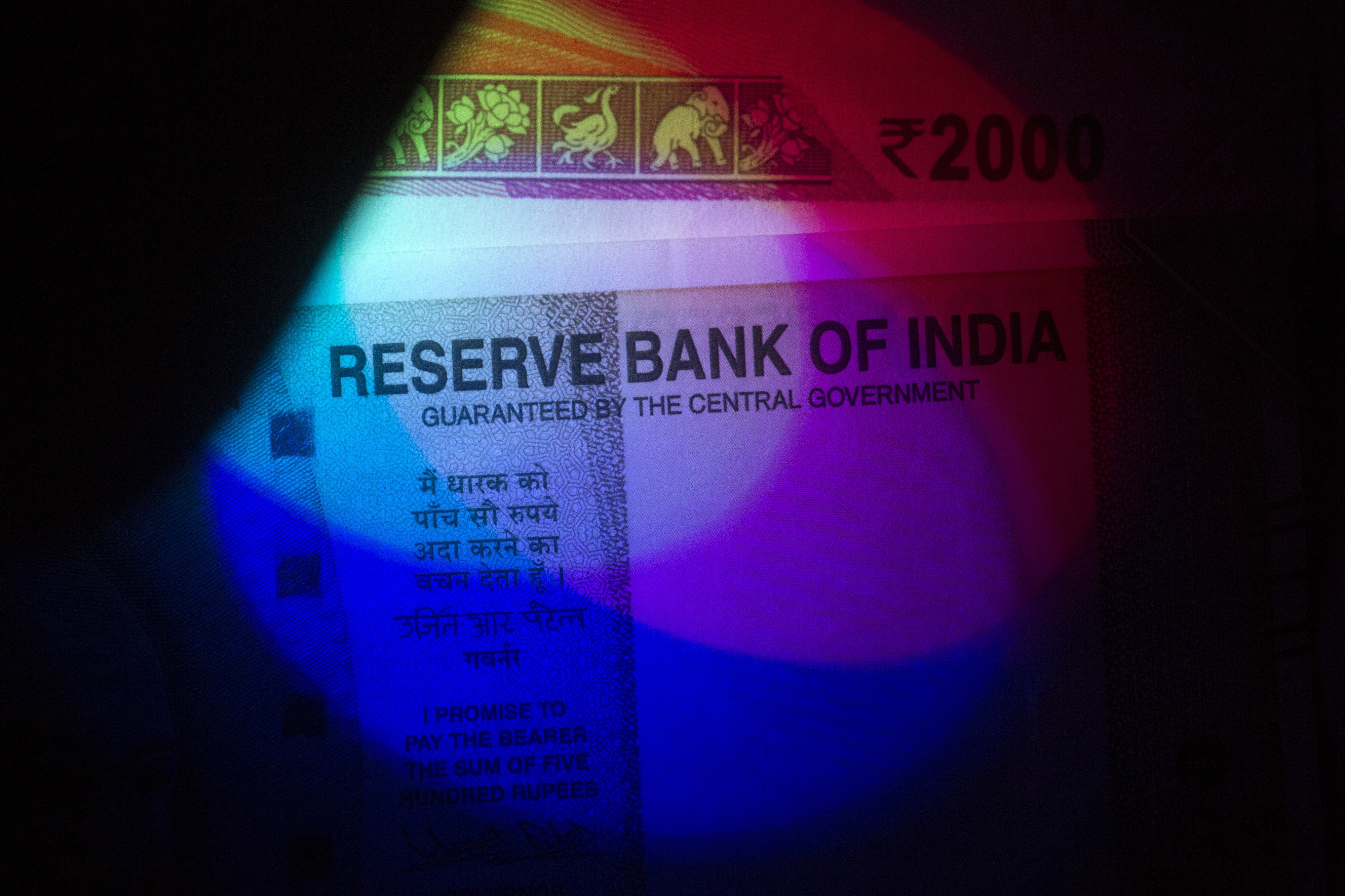
The Indian rupee has come off a decade which will leave currency watchers with mixed emotions. The currency ended up being the worst performer among Asian emerging peers but managed to escape the kind of drubbing that its competitors in the ‘BRICS' grouping saw.
Data from Bloomberg shows the Indian rupee lost 52 percent. It started the decade of 2010s trading at a rate of 46.62 against the U.S. Dollar. Over the course of the next ten years, it crossed over into the 50s, then the 60s and then the 70s. The breach of those psychologically important levels brought with it angst and screaming headlines but life, as it often does, goes on.
The Indian currency rang in the new year at 71.37 against the dollar.
India's Asian peers had a slightly-easier decade. The Indonesian rupiah fell 47 percent and the Malaysian Ringgit dropped 19 percent against the greenback. China's currency continues to be heavily controlled and depreciated by under 2 percent over the decade.

If that comparison leaves rupee bulls feeling blue, change the set of comparative economies and you'll feel better.
Among the ‘BRICS' grouping, India's performance has been among the best.
So while the rupee lost 52 percent, the dollar gained 134 percent against the Brazilian real and 107 percent versus the Russian ruble. The starkly weaker performance of Brazil and Russia, of course, is attributable to the dramatic fall in commodity prices this decade.
The South African rand fell 89 percent, leaving India at the top of the BRICS pack, barring China.

Beyond the numbers, what stood out for the Indian rupee over the decade?
We'll spare you a 10-year recap but there were certainly moments that stuck in memory.
The 2013 taper tantrum was among them. The plunge in the rupee that year reminded us of a lot of our vulnerabilities – high inflation, wide twin deficits and inadequate forex reserves. As we end the decade, an attempt is being made to keep inflation within a band of 4 (+/-2) percent and India's forex reserves kitty has swelled from $283 billion to $457 billion. As for the deficits, the scenario changes from year to year but India has not succeeded in making a huge dent in either its exports or its imports. The fiscal deficit—while much lower than the start to the decade—remains under a cloud with questions ranging from the transparency of the deficit to the quality of the deficit.
There was also 2018. This was a year when India was reminded that money can flow out, just as it can flow in. It was also a reminder that India will often get lumped with the broader EM trade. Foreign investors in debt and equity pulled out nearly Rs 80,000 crore in that year and the rupee fell its current record low of 74.46 against the dollar. The very next year, in 2019, foreign investors pumped in Rs 1.35 lakh crore.
Away from the value of the rupee, one stand-out feature of the last decade was the continued rise in the dominance of the offshore market. The volume of trade in Indian rupee products in the United Kingdom is now higher than the trading onshore. The regulator is making an now attempt to tackle this through steps like extended trading hours.
What lies ahead?
Well, we'll know at the end of the 2020s. But there are a few things to keep in mind.
First, the '20s will be the first full decade where India—unless there is a rollback—will follow inflation targeting. Could that mean that the average rate of depreciation due to inflation differentials will moderate in this decade compared to the next decade?
Second, India will likely need to continue opening up to foreign savings given that, at least, at the present, the domestic household financial savings pool is getting used up by public sector borrowings. If this means loosened limits for flows into the debt markets, is the rupee in for a decade of possibly more support but also more swings?
Thirdly, India has spent the last decade being among the top picks for investors given the narrative of the country's demographic dividend. At the start of the '20s, there are many questions about India's growth model and its ability to harness the demographic dividend. If those concerns prove to be short-lived, Indian assets may remain the ‘pick of the pack' this decade. But what if we don't get our act together?
We'll get back to you next decade.
Ira Dugal is Editor - Banking, Finance & Economy at BloombergQuint.

-
Navigating Energy Crossroads: S Jaishankar's Call For Diversified Supply Chains At G20 Ministerial Meeting

As geopolitical fault lines continue to test maritime trade routes and commodity flows, Jaishankar's message remains pertinent: true economic resilience requires open markets, protected transit lines, and a genuine commitment to multilateral cooperation rather than coercion.
-
Indians Are Travelling, But Not Every Journey Is A Holiday | The Week In Whys
Pilgrims, patients and working women are the real travellers, and the system hasn't quite caught up with them.
-
Getting To Work Costs Women More | The Reason Why
It is not just about women paying more than men. It is about women paying much more in cities than in villages.
-
AI Bias In Investing Cannot Be Eliminated, But It Can Be Governed
Framing is a particularly important example as identical financial information presented in terms of gains rather than losses can lead an LLM to reach a different assessment.
-
Joining The Dots | Dark Skies, Steady Diya: Why Hope Holds This Diwali
With war, a weak rupee and foreign outflows weighing on sentiment, policymakers at the NDTV World Summit and market veterans at NDTV Profit Ignite: Diwali Edition offered the same advice: stay invested and filter out the noise.
-
The Curious Case of Equitas Small Finance Bank And A CEO Who Quit For Stock
PN Vasudevan believes persistent investor concerns over a perceived conflict of interest had become a governance overhang on Equitas Small Finance Bank's stock, even as the lender improved profitability and asset quality.
-
Talking Points This Week: AI Cash Burn, A Tiger Comeback And An India That Still Finds Its Own Path
India is not immune to higher oil or tighter global liquidity, yet its earnings base is broader, its domestic policy levers are still available.
-
Foreign Investors Own Half Of HDFC Bank and ICICI Bank. An LTCG Cut Could Matter Most Here
Foreign portfolio investors have US$115 billion parked in HDFC Bank, ICICI Bank. If the government cuts long-term capital gains tax, Jefferies says returning foreign money could land here first.
-
'Never Seen This Level Of Negativity': Sandeep Tandon Says The Next Rally May Be Closer Than You Think
Veteran investor Sandeep Tandon says foreign selling is easing, large-caps are due a comeback and mid-caps are crowded, while he turns positive on gold, power and pharma this Diwali.










