Indian Hotels Plans To Add 1,900 New Rooms In FY20
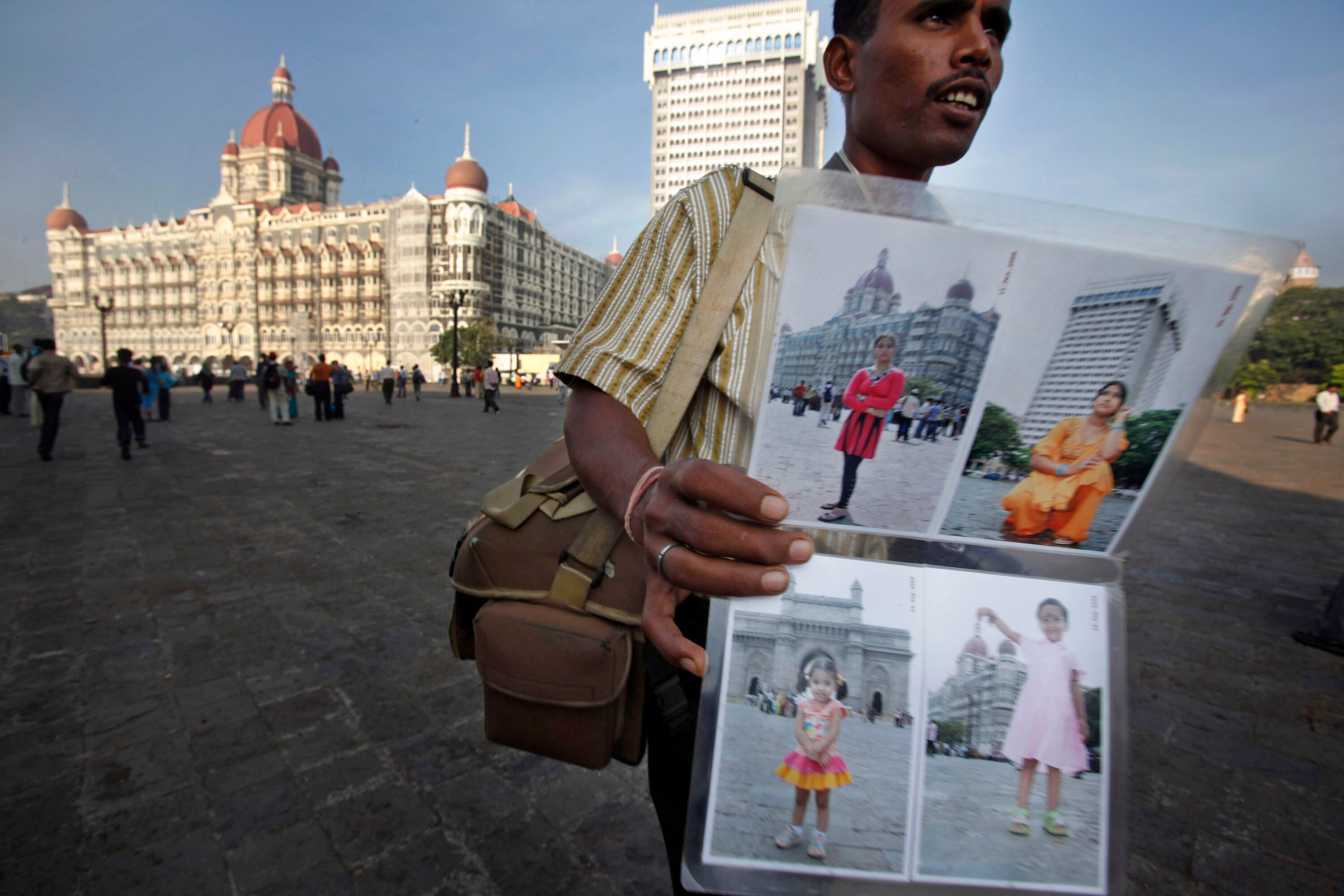
The Indian Hotels Company Ltd., the owner of the iconic Taj hotel, said it signed contracts to manage 22 new properties in the previous financial year.
The Tata Group's hotel arm said the new contracts will add 1,900 rooms to its existing capacity by FY20. Out of these, 900 rooms will be added under its luxury brand Taj, 500 under its newly launched ‘distinct hotel category' SeleQtions and 500 additional rooms would come under its budget segment Ginger.
“We expect to open 1,900 rooms in FY20 out of which 75 percent will be in the premium category,” Indian Hotels Company's Managing Director Puneet Chhatwal said, adding that he does not expect a dent on the balance sheet as all new signings have been asset-light. “The share of management contract rooms in the company's portfolio has gone from 32 percent to 40 percent in FY19.”
The company, he said, is planning to open one hotel every month till March 2020 and the current fiscal has been positive so far with the sign up of four more properties.
While the business has been sluggish in April due to the general election and costly airfares, trends in May are better than April, he said, adding that the trends in the month of June are even better.
FY20 Guidance
Indian Hotels will continue with its strategy of monetising assets backed by strong fundamentals, Chhatwal said, adding that the company has monetised two assets in its subsidiary Oriental Hotels in Vishakapatnam and Trivandrum. “We will continue doing this in secondary and tertiary markets.”
Chhatwal expects RevPAR (revenue per available room) to grow over 6 percent in the ongoing fiscal, besides double-digit revenue growth for the food and beverage division during the same period. The management expects the margin to move from 18.5 percent currently to around 23-24 percent in FY23.
Analyst Take
- All the 12 analysts covering the stock have a ‘Buy' recommendation with the Bloomberg consensus target of Rs 183, an upside of nearly 20 percent from its closing price on Thursday.
- Morgan Stanley said that valuations at 15.3x on FY20 Ebitda are attractive and recommended their clients to buy the shares for a target of Rs 203.
- Himanshu Shah of HDFC Securities recommends his clients to buy the stock for a target of Rs 176. He sees the margin guidance of the management feasible.
- Sumant Kumar of Motilal Oswal said that the underlying thesis on the Indian hospitality industry remains intact, given the favorable demand-supply scenario. He recommends his clients to buy the stock with a target of Rs 186.

-
Talking Points This Week: Tech Nerves, FII Buying, And A Faraway Banking Shock

The global markets are not shining this Diwali. The exception in the large markets is, India.
-
Midterm Rally Lasted A Day. The Hard Reality Of A Divided US May Last Two Years | Opinion
Between a contested AI boom, a debt ceiling that arrives in 2027 and a president with every incentive to act alone, the next two years may prove more volatile than the first day's rally suggests.
-
Blue Wave Will Derail the AI Trade but Won't Dismantle the AI Era | Unhedged Position
The Democrats' sweep of the US Congress will see politics collide with economic forces both over the long and short term.
-
It's Time To Take The GST Council's Bet On Trust Global
Payment records can prove India's services exports, and clear, proportionate rules can bring foreign digital sellers into the tax net.
-
Opinion | India at 38: From Innovation Overperformer to Innovation Powerhouse
India now has 453 VC-backed deep science startups, 18 of them late-stage, after 117 percent growth since 2020. Laurus Labs, at USD 9.3 billion, is the most valuable deep science company in any middle-income economy outside China.
-
Navigating Energy Crossroads: S Jaishankar's Call For Diversified Supply Chains At G20 Ministerial Meeting
As geopolitical fault lines continue to test maritime trade routes and commodity flows, Jaishankar's message remains pertinent: true economic resilience requires open markets, protected transit lines, and a genuine commitment to multilateral cooperation rather than coercion.
-
Indians Are Travelling, But Not Every Journey Is A Holiday | The Week In Whys
Pilgrims, patients and working women are the real travellers, and the system hasn't quite caught up with them.
-
Getting To Work Costs Women More | The Reason Why
It is not just about women paying more than men. It is about women paying much more in cities than in villages.
-
AI Bias In Investing Cannot Be Eliminated, But It Can Be Governed
Framing is a particularly important example as identical financial information presented in terms of gains rather than losses can lead an LLM to reach a different assessment.









