Indian Energy Giants Rally Behind Nuclear In Clean Power Push
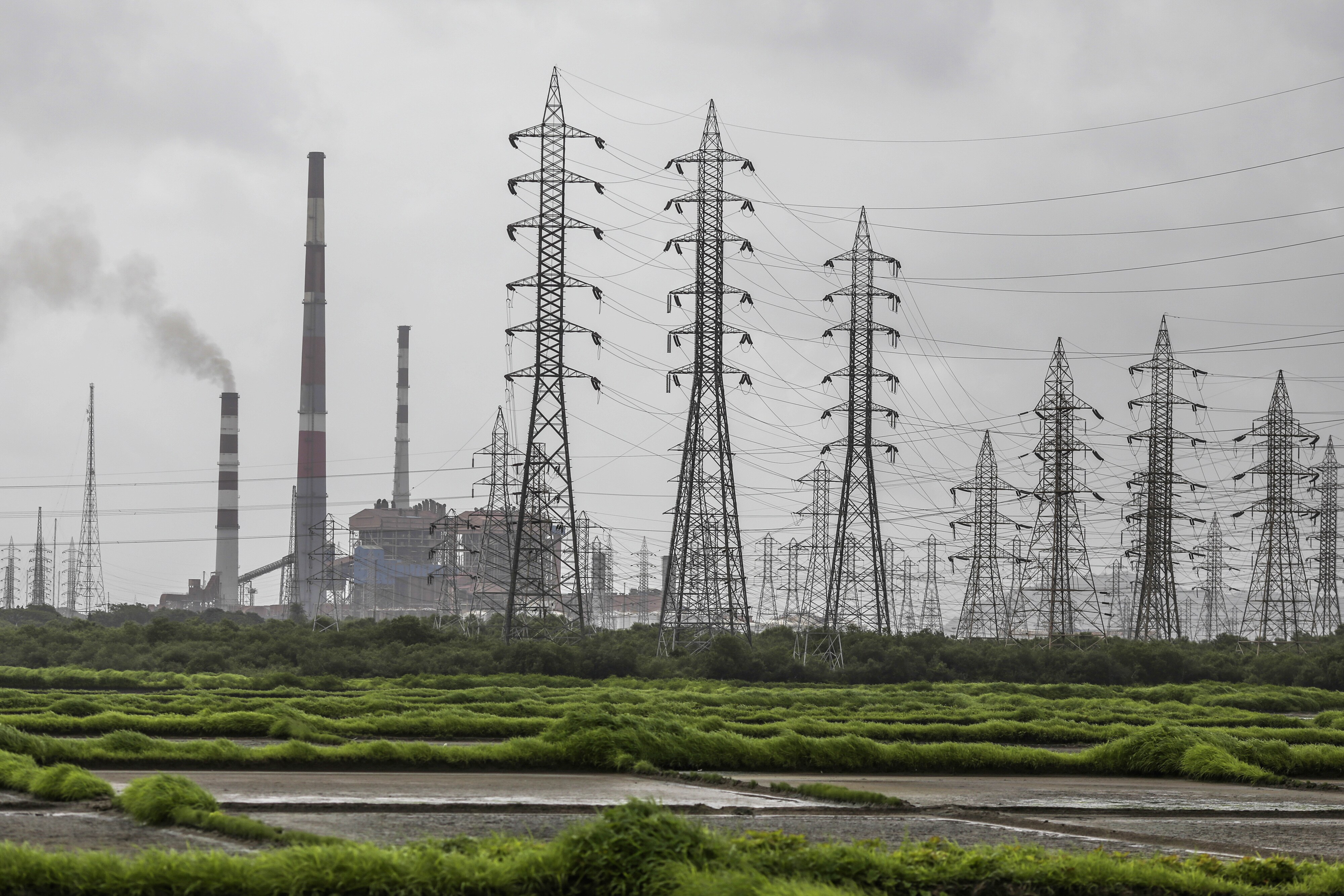
India's top energy firms are advocating for nuclear power to decarbonize the world's third-biggest emitter, while cautioning that electricity from reactors needs to be affordable to substitute coal.
"Nuclear can't just be a fashion statement," Praveer Sinha, chief executive officer at Tata Power Co., said at the BNEF Summit in New Delhi. "It needs to replace coal-based power as a source of affordable power."
Atomic power is witnessing a revival globally due to its ability to deliver low-emissions energy. In India, the industry has gained momentum after the government earlier this year said it will amend rules to allow private firms and address liability clauses, which have long kept foreign technology suppliers away. The current law holds both plant operators and equipment suppliers liable for damages in case of an incident.
The other reason for the slow development of the sector has been the high cost, often a result of delays caused by public opposition and political concerns over such projects.
Sinha said the expansion planned in India and other parts of the world will provide economies of scale to bring costs down. Tata Power is "very keen to pursue nuclear."
The lack of business continuity and a shortage of skilled staff are also issues that should be at the top of the agenda for the industry, said Anil Parab, whole-time director at Indian engineering firm Larsen & Toubro Ltd. Even small deviations can push nuclear projects back by months and add to costs, he said, stressing the need for talent.
India currently has 8.8 gigawatts of nuclear generation, accounting for less than 2% of the country's total power capacity. The South Asian nation targets 100 gigawatts by 2047, the centenary year of its independence.
State-run NTPC Ltd., the country's largest power producer and coal consumer, said it aims to contribute 30% toward the country's 2047 nuclear goal. The New Delhi-based company is building its first atomic power plant in a joint venture with Nuclear Power Corp. of India in the state of Rajasthan.
The first of the four 700-megawatt units is expected to become operational in 2031, while the entire plant is likely to come online five years after that, NTPC Chairman Gurdeep Singh said at the BNEF Summit.

-
Talking Points This Week: Tech Nerves, FII Buying, And A Faraway Banking Shock

The global markets are not shining this Diwali. The exception in the large markets is, India.
-
Midterm Rally Lasted A Day. The Hard Reality Of A Divided US May Last Two Years | Opinion
Between a contested AI boom, a debt ceiling that arrives in 2027 and a president with every incentive to act alone, the next two years may prove more volatile than the first day's rally suggests.
-
Blue Wave Will Derail the AI Trade but Won't Dismantle the AI Era | Unhedged Position
The Democrats' sweep of the US Congress will see politics collide with economic forces both over the long and short term.
-
It's Time To Take The GST Council's Bet On Trust Global
Payment records can prove India's services exports, and clear, proportionate rules can bring foreign digital sellers into the tax net.
-
Opinion | India at 38: From Innovation Overperformer to Innovation Powerhouse
India now has 453 VC-backed deep science startups, 18 of them late-stage, after 117 percent growth since 2020. Laurus Labs, at USD 9.3 billion, is the most valuable deep science company in any middle-income economy outside China.
-
Navigating Energy Crossroads: S Jaishankar's Call For Diversified Supply Chains At G20 Ministerial Meeting
As geopolitical fault lines continue to test maritime trade routes and commodity flows, Jaishankar's message remains pertinent: true economic resilience requires open markets, protected transit lines, and a genuine commitment to multilateral cooperation rather than coercion.
-
Indians Are Travelling, But Not Every Journey Is A Holiday | The Week In Whys
Pilgrims, patients and working women are the real travellers, and the system hasn't quite caught up with them.
-
Getting To Work Costs Women More | The Reason Why
It is not just about women paying more than men. It is about women paying much more in cities than in villages.
-
AI Bias In Investing Cannot Be Eliminated, But It Can Be Governed
Framing is a particularly important example as identical financial information presented in terms of gains rather than losses can lead an LLM to reach a different assessment.