One Indian’s Cool Is Another Indian’s Science Fiction

The majority of you would have seen the iconic Liril ad, with Karen Lunel, the ‘Liril girl'.
What words come to mind (for most of you) when you see this commercial?
The chances are, it's the following: Liril, girl, waterfall, fresh, cool, lime, soap. Perhaps swimsuit as well.
And when the film was aired and research conducted by Hindustan Unilever Ltd., I'm sure that most of the words that they wanted consumers to remember were words that consumers did, indeed, remember.
Remember this vintage @Liril_India ad which made the nation go ‘La..La La La La…' #ThrowbackThursday pic.twitter.com/2uJi7uob62
September 15, 2016What if the same film was released today, in the complex world of digital media and social media?
It'll probably get hammered, with many users on social media focusing on ‘nakedness', ‘shameless', ‘forward', ‘non-sanskari' and so on.
Because for many Indians who have not been exposed to such imagery as seen in the harmless Liril ad, what the ad may cue to girls in their villages or towns may seem truly frightening.
To them, even this harmless Liril ad is ‘near-future science fiction', the science fiction sub-genre that imagines a future only a short time away from the period in which it is produced.
To them, the imagery is not real; it is an imagery that threatens to become real.
And that's frightening.
And that's the point of this article: the complexity of creating communication for the many Indias that co-exist.
In an earlier, analogue India, an India that did not see an electrified rural India, where mobile telephony did not exist, these complexities did not exist.
Ads were created for the privileged and elite and modern India, largely the metros. Media planners conveniently and easily divided India into rural and urban (in the broadest division) and placed communication accordingly.
The gap between the ‘modern' Mumbai consumer and the ‘modern' Raipur or Trichy or Kanpur consumer was not a great gap – and ‘near-future science fiction', as a result, was not far away from what they saw in their own lives.Today, in a digital India and an India that is largely electrified, and in an India where mobile telephony is pushing itself deeper and deeper, the lifestyle, tradition and imagery gap comes to the fore when everyday urban images are transmitted and seen.
- A girl in a skirt.
- A girl speaking on the mobile phone.
- A girl driving a car.
- College students of different genders talking sitting alone, talking and laughing.
- A girl in a shirt and trousers coming home to a husband holding a baby in his arms as he cooks dinner.
- Young people in bars.
- A lesbian couple.
- A girl on a flight.
- A woman making the decision on a house to buy, a car to buy.
- A woman celebrating her second marriage and her parents supporting her.
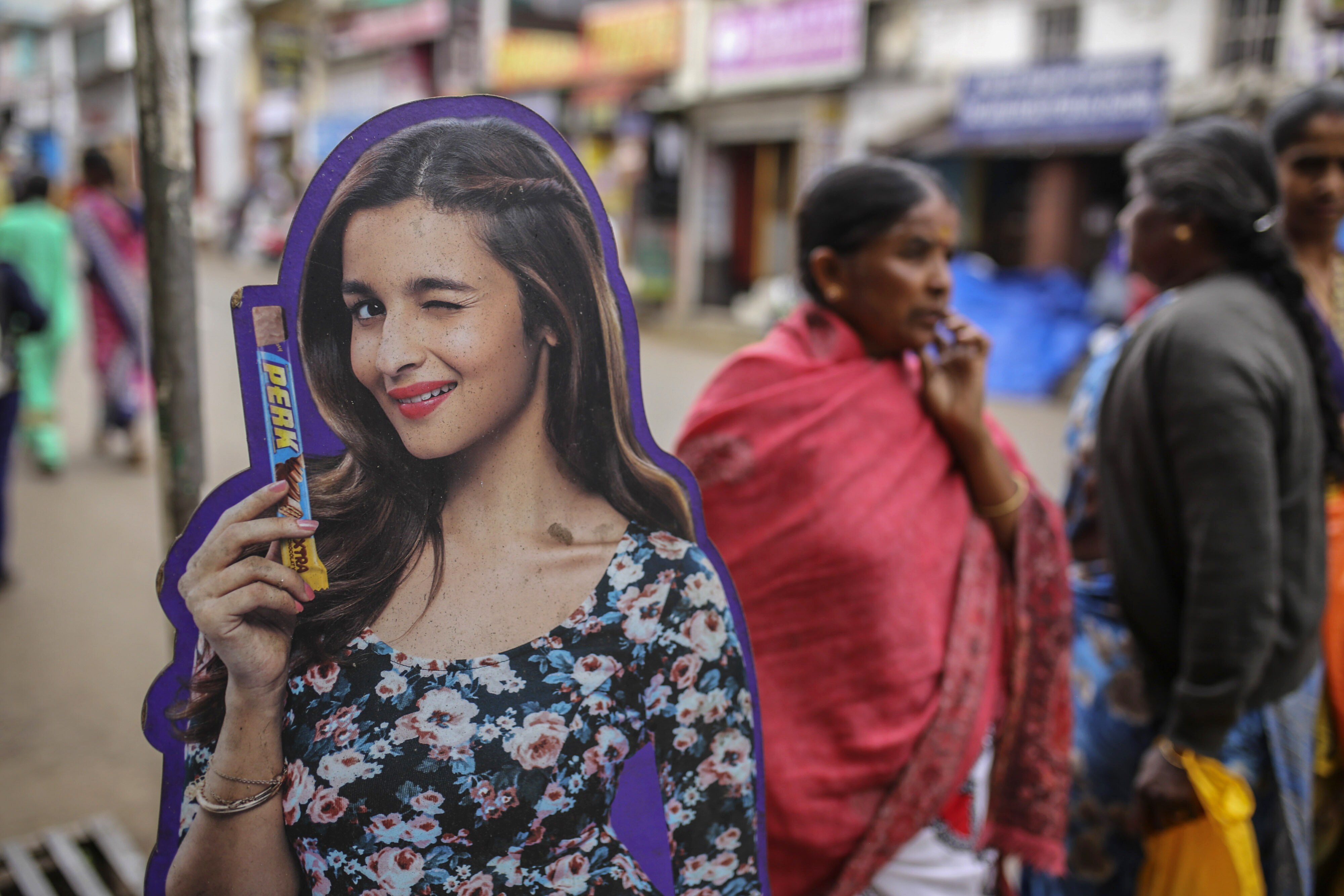
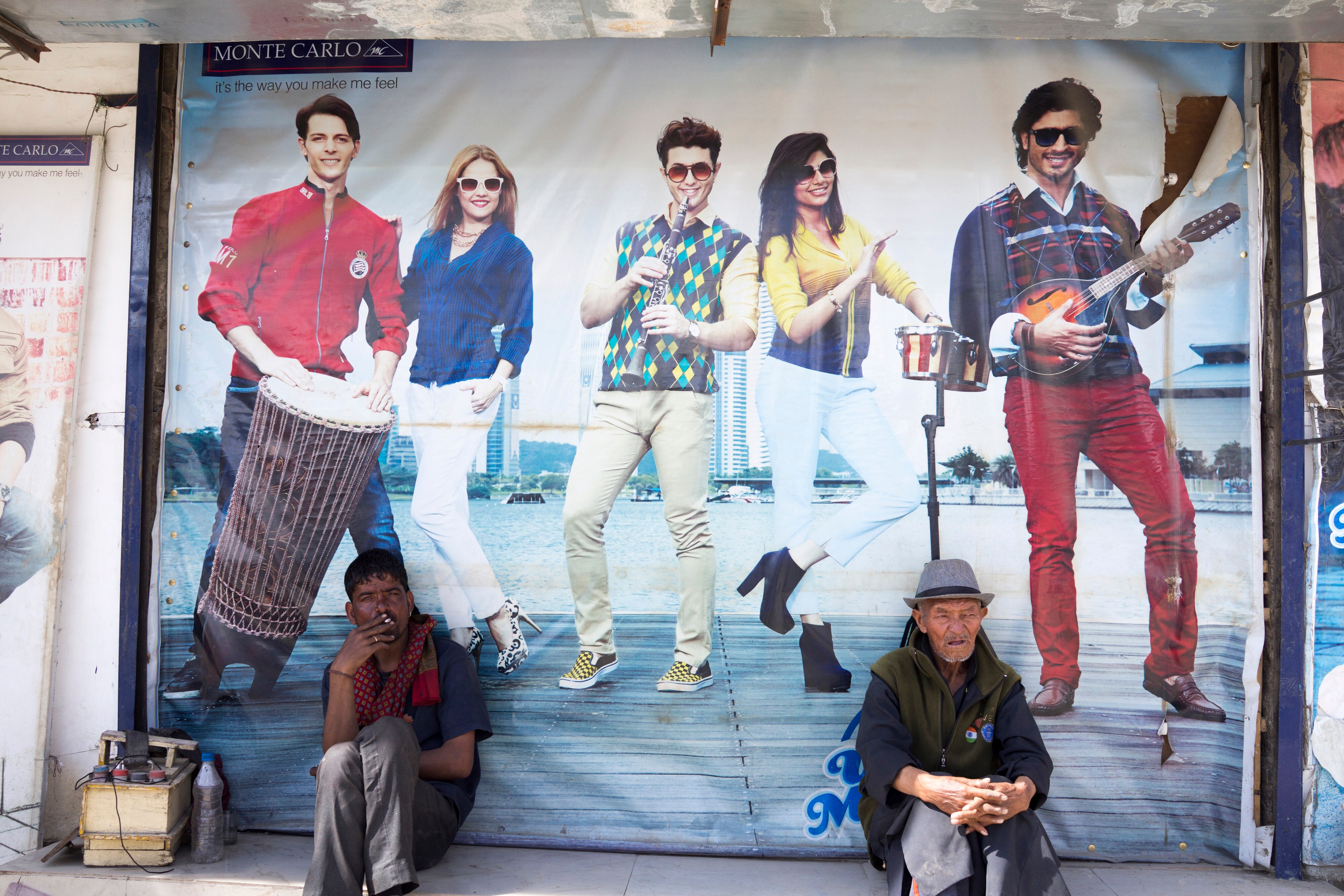
All everyday images of life in large parts of India and reflected in advertising communication; images that the urban Indian would relate to. Images that the consumer would like or dismiss without worrying about it.
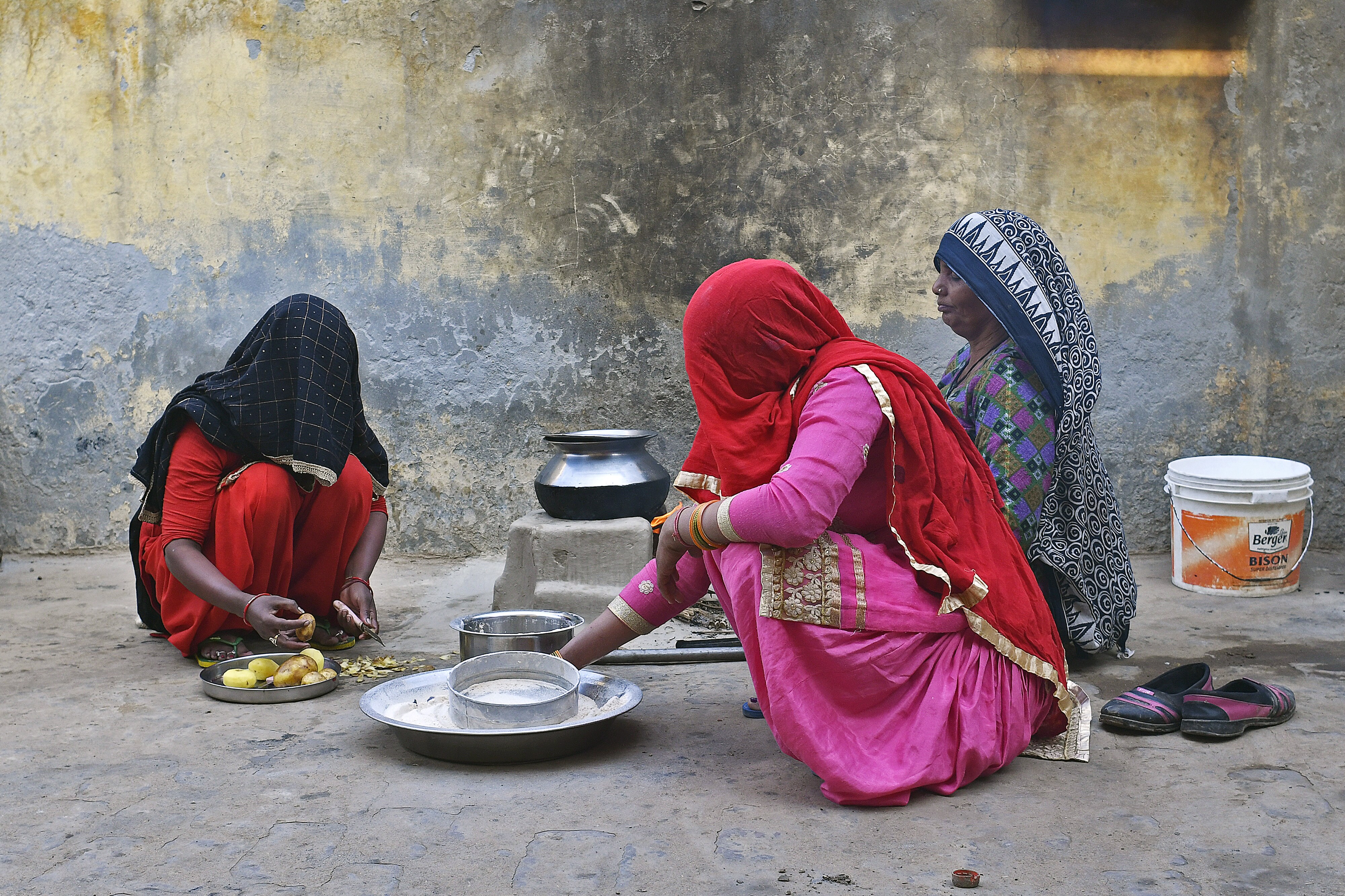
But in other parts of India, none of what I have called ‘everyday' imagery is ever seen.
Ever.
And that makes these seemingly innocuous ads threatening and frightening.
And that's the challenge for the marketer and the creative community today. All of them live in an urbanized world, and in this world of echo chambers, they are blind to what their ads do to the larger world outside their echo chamber.When they craft and write and create, they believe that their creations reflect life as it is.
Unfortunately, to many, it's not reality – it's near future science fiction.
A few months ago, I spoke to a group of planners in one of India's largest advertising agencies. None in the group had visited the Ardh Kumbh held earlier in the year.
That got me to ask young ad professionals each time I meet one or a few: When did you last journey by train? When did you last visit a small town? A village?
Sadly, the answers tell me that the industry, as a whole, does little to get out of the echo chamber.
And they have to.
History teaches us of the danger, in the communications business, of living in a bubble.
In the early eighties, the echo chamber was the ‘English speaking world.' The advertising industry knew only English and how to communicate to those who knew English, ignoring the world outside.That's why they were caught flat-footed when a few agencies started speaking to the other, much larger India in Hindi, both the language and the idiom. Advertising can ignore this new challenge or embrace it. We've seen decades of the marketing community talking about the many Indias – now it's time to recognise that you must, therefore, learn to communicate to these many Indias.
Or the ads you create which, in an earlier era, would have entered popular culture (as Liril did) could frighten your consumers as they interpret the ads as near-future science fiction.
Anant Rangaswami is the Editor of MELT, on WION, and a veteran journalist on advertising, media and marketing.
The views expressed here are those of the author and do not necessarily represent the views of BloombergQuint or its editorial team.


-
Opinion | India at 38: From Innovation Overperformer to Innovation Powerhouse

India now has 453 VC-backed deep science startups, 18 of them late-stage, after 117 percent growth since 2020. Laurus Labs, at USD 9.3 billion, is the most valuable deep science company in any middle-income economy outside China.
-
Navigating Energy Crossroads: S Jaishankar's Call For Diversified Supply Chains At G20 Ministerial Meeting
As geopolitical fault lines continue to test maritime trade routes and commodity flows, Jaishankar's message remains pertinent: true economic resilience requires open markets, protected transit lines, and a genuine commitment to multilateral cooperation rather than coercion.
-
Indians Are Travelling, But Not Every Journey Is A Holiday | The Week In Whys
Pilgrims, patients and working women are the real travellers, and the system hasn't quite caught up with them.
-
Getting To Work Costs Women More | The Reason Why
It is not just about women paying more than men. It is about women paying much more in cities than in villages.
-
AI Bias In Investing Cannot Be Eliminated, But It Can Be Governed
Framing is a particularly important example as identical financial information presented in terms of gains rather than losses can lead an LLM to reach a different assessment.
-
Joining The Dots | Dark Skies, Steady Diya: Why Hope Holds This Diwali
With war, a weak rupee and foreign outflows weighing on sentiment, policymakers at the NDTV World Summit and market veterans at NDTV Profit Ignite: Diwali Edition offered the same advice: stay invested and filter out the noise.
-
The Curious Case of Equitas Small Finance Bank And A CEO Who Quit For Stock
PN Vasudevan believes persistent investor concerns over a perceived conflict of interest had become a governance overhang on Equitas Small Finance Bank's stock, even as the lender improved profitability and asset quality.
-
Talking Points This Week: AI Cash Burn, A Tiger Comeback And An India That Still Finds Its Own Path
India is not immune to higher oil or tighter global liquidity, yet its earnings base is broader, its domestic policy levers are still available.
-
Foreign Investors Own Half Of HDFC Bank and ICICI Bank. An LTCG Cut Could Matter Most Here
Foreign portfolio investors have US$115 billion parked in HDFC Bank, ICICI Bank. If the government cuts long-term capital gains tax, Jefferies says returning foreign money could land here first.










