India Unlikely To Resume Sizable COVID-19 Vaccine Exports Until October: Report
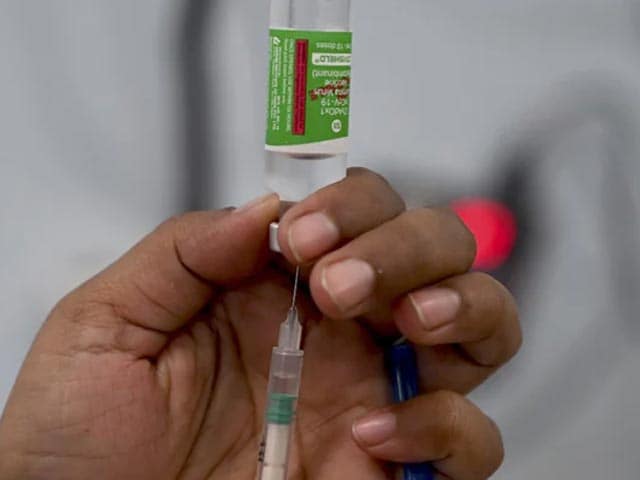
India is unlikely to resume major exports of COVID-19 vaccines until at least October as it diverts shots for domestic use, three government sources said, a longer-than-expected delay set to worsen supply shortages from the global COVAX initiative. Battling the world's biggest jump in coronavirus infections, India halted vaccine exports a month ago after donating or selling more than 66 million doses. The move has left countries including Bangladesh, Nepal, Sri Lanka, and many in Africa scrambling for alternate supplies.
The World Health Organization, which co-leads COVAX, on Monday called on vaccine makers outside India to advance supplies to the programme given the shortfall from the country. The sources, who spoke to Reuters on the condition of anonymity as they were not authorised to talk to media on the subject, said India's vaccination drive will now take priority as its tally of coronavirus infections crosses 25 million and daily deaths hit a record high.
"We don't have to officially convey to all countries as we are not obligated to do," one of the sources said about the decision to hold back exports. "It was internally discussed and some countries were asked not to expect export commitments given the current Indian situation." The source did not name the countries told about the delay.
The other two sources said the exact timing for resuming exports could change depending on how soon India is able to control the second wave of cases that has overwhelmed the health system. Ministry of External Affairs, which is coordinating and overseeing all vaccine exports, did not respond to a request for comment on the matter.
'Truly Dreadful Wave'
A spokesman for Serum Institute of India, the world's biggest vaccine maker, said the focus, for now, is on supplying vaccines to India. It had previously expected shipments to restart from June. Asked about the October timeline, COVAX co-lead GAVI told Reuters at least 140 million doses it had expected from the Serum Institute by the end of May will now remain in India.
"As India confronts a truly dreadful wave of the pandemic, Indian vaccine production, including the 140 million vaccine doses initially destined for COVAX, have been committed to protecting its own citizens," a GAVI spokeswoman said in an email.
"We offer the government of India our full support in their effort to bring the virus under control and stand ready to help in any way we can." COVAX has a deal with the Serum Institute to deliver 1.1 billion doses of either the AstraZeneca or Novavax shots.
The head of UNICEF on Monday asked G7 countries to donate supplies to COVAX as an emergency measure to address a severe shortfall caused by disruptions to Indian vaccine exports. UNICEF, which is helping supply COVID-19 vaccines through COVAX, estimates the supply shortfall at about 190 million by the end of June.
U.S. President Joe Biden said on Monday his country would export at least 20 million doses of the Pfizer/BioNTech, Moderna and Johnson & Johnson shots, on top of 60 million AstraZeneca doses he had already planned to give to other countries.
Biden's move came as WHO Director-General Tedros Adhanom Ghebreyesus warned the world has reached a situation of "vaccine apartheid", calling on wealthier nations and vaccine producers to increase vaccine sharing.

-
High US Salaries, No Green Card Certainty: The Financial Calculation Facing Indian H-1B Families

The suspension of PERM processing at eight technology employers does not cancel existing H-1B visas. What it does is force a question many Indian families have been avoiding: is the US salary worth tying your career and family plans to one employer?
-
Swiggy vs Eternal: Food Delivery's Two Rivals Are No Longer In The Same Race
Eternal is building a private AI assistant, dark.ai. Swiggy is still working out how to make Instamart pay, with an operating loss of Rs 895 crore in the July-September quarter while Blinkit stayed profitable.
-
Where You Live Shapes How You Get To Work | The Reason Why
Two-wheelers are the most popular way to get to work in India, accounting for nearly 43% of workplace commutes.
-
Unhedged Position: Can India See An Indonesia-Style Time Correction?
The Nifty is trading below levels it first clocked in 2024. Is there, then, as I have suggested in the headline, potential that the current time correction drags on painfully for the next three-five, even ten years?
-
Navigating Friction And Energy Realities: An Analysis Of Marco Rubio's October Visit To India
Occurring at a critical juncture marked by stalled trade negotiations and escalating geopolitical pressures over global energy supplies, the visit offers a profound window into modern US-India relations.
-
India Exports Capital. Why Not Export Trusteeship?
The big question, then, is whether India can build an institution that global borrowers, investors, banks, and lawyers can trust, even without an Indian connection.
-
France's Economy & Politics Are In Crisis | The Reason Why
Let's look at how the French economy and politics evolved under Nicolas Sarkozy, Franois Hollande and Emmanuel Macron.
-
You May Inherit The Business. You Must Earn Its Credibility.
Succession tests the founder's ability to share authority as much as it tests the next generation's readiness to assume it.
-
Signing Deals Is One Thing; Making Them Work Is Another | The Week In Whys
Sometimes, things don't turn out as planned. Indian companies have lost some bids to rivals, some projects won't produce until 2030.
-
FOMC Wall, PERM Suspension, Hospital Stocks | Talking Points This Week
A PERM suspension would directly affect green-card sponsorship rather than H-1B visas, so the near-term earnings impact could remain relatively limited. The key question is whether this marks a new phase in US scrutiny of Indian IT.









