India Unlikely To Resume Sizable COVID-19 Vaccine Exports Until October: Report
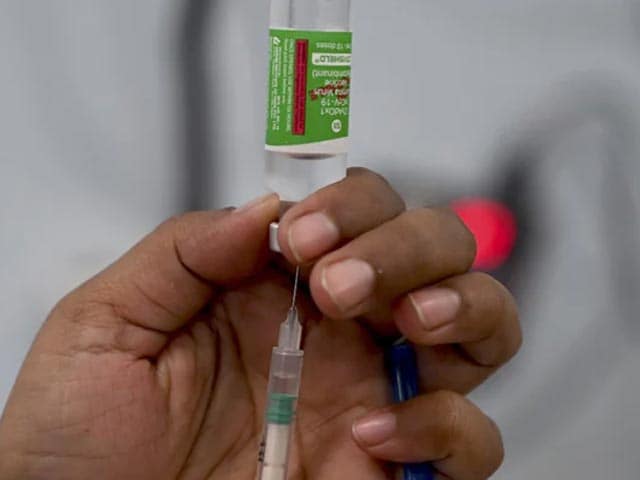
India is unlikely to resume major exports of COVID-19 vaccines until at least October as it diverts shots for domestic use, three government sources said, a longer-than-expected delay set to worsen supply shortages from the global COVAX initiative. Battling the world's biggest jump in coronavirus infections, India halted vaccine exports a month ago after donating or selling more than 66 million doses. The move has left countries including Bangladesh, Nepal, Sri Lanka, and many in Africa scrambling for alternate supplies.
The World Health Organization, which co-leads COVAX, on Monday called on vaccine makers outside India to advance supplies to the programme given the shortfall from the country. The sources, who spoke to Reuters on the condition of anonymity as they were not authorised to talk to media on the subject, said India's vaccination drive will now take priority as its tally of coronavirus infections crosses 25 million and daily deaths hit a record high.
"We don't have to officially convey to all countries as we are not obligated to do," one of the sources said about the decision to hold back exports. "It was internally discussed and some countries were asked not to expect export commitments given the current Indian situation." The source did not name the countries told about the delay.
The other two sources said the exact timing for resuming exports could change depending on how soon India is able to control the second wave of cases that has overwhelmed the health system. Ministry of External Affairs, which is coordinating and overseeing all vaccine exports, did not respond to a request for comment on the matter.
'Truly Dreadful Wave'
A spokesman for Serum Institute of India, the world's biggest vaccine maker, said the focus, for now, is on supplying vaccines to India. It had previously expected shipments to restart from June. Asked about the October timeline, COVAX co-lead GAVI told Reuters at least 140 million doses it had expected from the Serum Institute by the end of May will now remain in India.
"As India confronts a truly dreadful wave of the pandemic, Indian vaccine production, including the 140 million vaccine doses initially destined for COVAX, have been committed to protecting its own citizens," a GAVI spokeswoman said in an email.
"We offer the government of India our full support in their effort to bring the virus under control and stand ready to help in any way we can." COVAX has a deal with the Serum Institute to deliver 1.1 billion doses of either the AstraZeneca or Novavax shots.
The head of UNICEF on Monday asked G7 countries to donate supplies to COVAX as an emergency measure to address a severe shortfall caused by disruptions to Indian vaccine exports. UNICEF, which is helping supply COVID-19 vaccines through COVAX, estimates the supply shortfall at about 190 million by the end of June.
U.S. President Joe Biden said on Monday his country would export at least 20 million doses of the Pfizer/BioNTech, Moderna and Johnson & Johnson shots, on top of 60 million AstraZeneca doses he had already planned to give to other countries.
Biden's move came as WHO Director-General Tedros Adhanom Ghebreyesus warned the world has reached a situation of "vaccine apartheid", calling on wealthier nations and vaccine producers to increase vaccine sharing.

-
Love, Sex Aur Dhokha: The Audacious Plot To Spy On Jensen Huang

A Taipei dinner, a Singapore chip buyer and a suspected Chinese asset: inside the alleged spy operation that got close to NVIDIA's Jensen Huang.
-
Ten Things I Learnt This Samvat
Patience can be a trap. Cheap stocks can stay cheap. Leverage can wipe you out. What did Samvat 2082 teach us? Niraj Shah writes on 10 lessons from the year gone by.
-
Talking Points This Week: Tech Nerves, FII Buying, And A Faraway Banking Shock
The global markets are not shining this Diwali. The exception in the large markets is, India.
-
Midterm Rally Lasted A Day. The Hard Reality Of A Divided US May Last Two Years | Opinion
Between a contested AI boom, a debt ceiling that arrives in 2027 and a president with every incentive to act alone, the next two years may prove more volatile than the first day's rally suggests.
-
Blue Wave Will Derail the AI Trade but Won't Dismantle the AI Era | Unhedged Position
The Democrats' sweep of the US Congress will see politics collide with economic forces both over the long and short term.
-
It's Time To Take The GST Council's Bet On Trust Global
Payment records can prove India's services exports, and clear, proportionate rules can bring foreign digital sellers into the tax net.
-
Opinion | India at 38: From Innovation Overperformer to Innovation Powerhouse
India now has 453 VC-backed deep science startups, 18 of them late-stage, after 117 percent growth since 2020. Laurus Labs, at USD 9.3 billion, is the most valuable deep science company in any middle-income economy outside China.
-
Navigating Energy Crossroads: S Jaishankar's Call For Diversified Supply Chains At G20 Ministerial Meeting
As geopolitical fault lines continue to test maritime trade routes and commodity flows, Jaishankar's message remains pertinent: true economic resilience requires open markets, protected transit lines, and a genuine commitment to multilateral cooperation rather than coercion.
-
Indians Are Travelling, But Not Every Journey Is A Holiday | The Week In Whys
Pilgrims, patients and working women are the real travellers, and the system hasn't quite caught up with them.









