India Seeks WTO Talks With US Over 50% Copper Tariffs
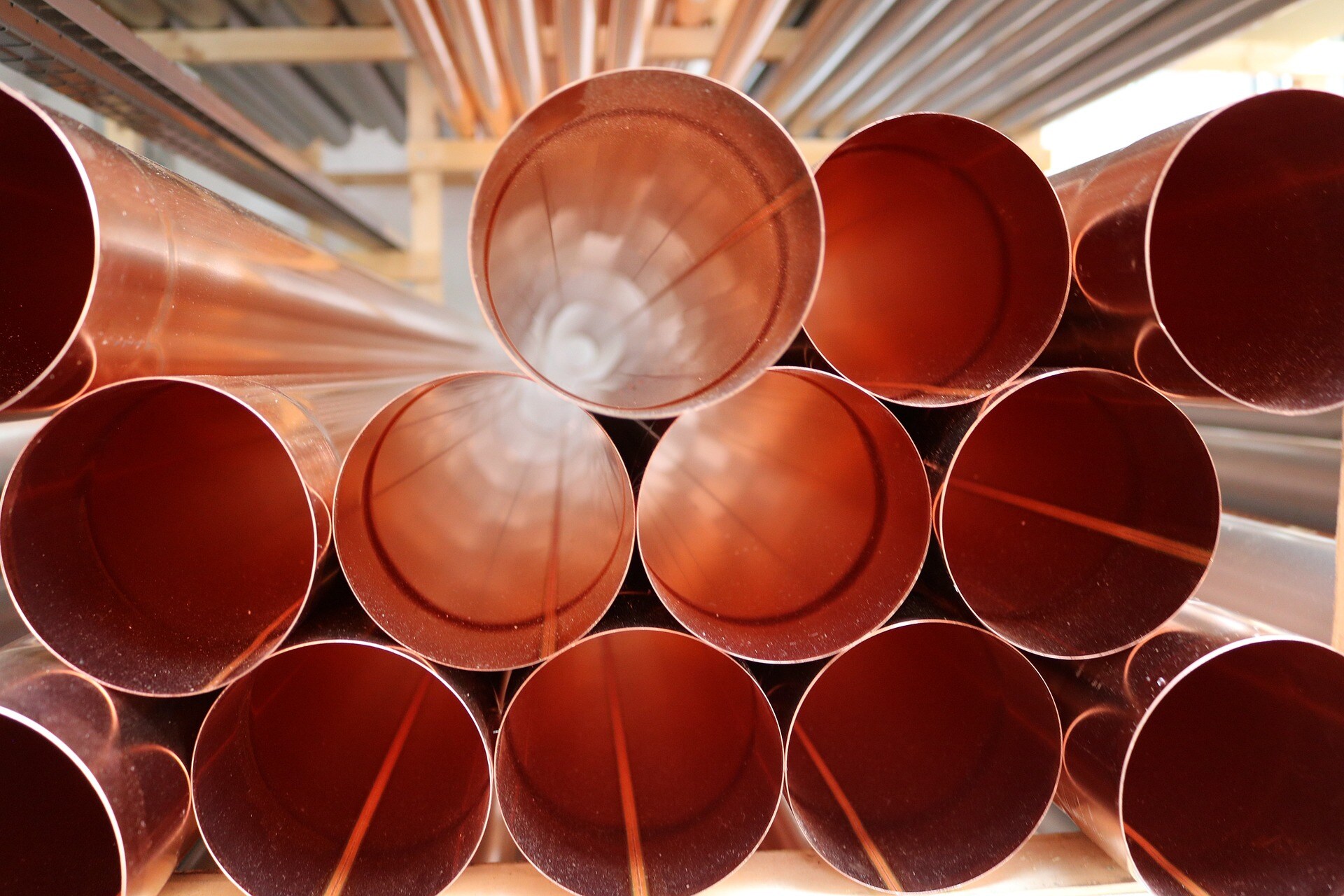
India has sought consultations with the United States at the World Trade Organization (WTO) over Washington's decision to impose steep 50% tariffs on copper imports, according to a circular.
New Delhi has argued that the duties amount to a safeguard measure and should have been notified to members under global trade rules.
"India considers that the measure, although claimed to be taken for security interests, are, in essence, a safeguard measure. The United States failed to notify the WTO Committee on Safeguards...on taking a decision to apply the safeguard measure. Accordingly, as an affected member with significant export interest to the US in the products concerned, India requests consultations," the circular read.
India added that it looks forward to receiving a prompt reply to this request from the United States and to setting a mutually convenient date and venue for the above-mentioned consultations.
The move marks the latest trade dispute between the two partners, coming on the heels of recent US action raising duties across several product categories, including engineering goods and textiles.
This is not the first time India has knocked on the WTO's doors over unilateral US tariffs. New Delhi previously sought consultations on American duties on steel, aluminium and related derivative products. However, the US rejected those requests, maintaining that the measures were taken on grounds of national security.
On Aug. 5, the government confirmed in Parliament that Washington has continued to resist engaging on these disputes. "The US has maintained that these measures were introduced on the grounds of national security," Minister of State for Commerce and Industry Jitin Prasada said in a written reply to the Lok Sabha.

-
Unhedged Position: Can India See An Indonesia-Style Time Correction?

The Nifty is trading below levels it first clocked in 2024. Is there, then, as I have suggested in the headline, potential that the current time correction drags on painfully for the next three-five, even ten years?
-
Navigating Friction And Energy Realities: An Analysis Of Marco Rubio's October Visit To India
Occurring at a critical juncture marked by stalled trade negotiations and escalating geopolitical pressures over global energy supplies, the visit offers a profound window into modern US-India relations.
-
India Exports Capital. Why Not Export Trusteeship?
The big question, then, is whether India can build an institution that global borrowers, investors, banks, and lawyers can trust, even without an Indian connection.
-
France's Economy & Politics Are In Crisis | The Reason Why
Let's look at how the French economy and politics evolved under Nicolas Sarkozy, Franois Hollande and Emmanuel Macron.
-
You May Inherit The Business. You Must Earn Its Credibility.
Succession tests the founder's ability to share authority as much as it tests the next generation's readiness to assume it.
-
Signing Deals Is One Thing; Making Them Work Is Another | The Week In Whys
Sometimes, things don't turn out as planned. Indian companies have lost some bids to rivals, some projects won't produce until 2030.
-
FOMC Wall, PERM Suspension, Hospital Stocks | Talking Points This Week
A PERM suspension would directly affect green-card sponsorship rather than H-1B visas, so the near-term earnings impact could remain relatively limited. The key question is whether this marks a new phase in US scrutiny of Indian IT.
-
Everything, Everywhere, All At Once: Dalal Street's Week To Forget | Joining The Dots
Visa curbs, a Starlink spat and cancer drug caps: what connects this week's shocks for Indian markets
-
India Is Going Abroad For Critical Minerals. But It May Take Years To Pay Off | The Reason Why
Although India's steps are in the right direction, they remain modest compared with India's growing dependence.
-
When Everyone Has AI, What Gives You An Edge?
India's young workforce is entering an uncertain world of work where powerful AI tools are becoming widely accessible. The advantage will belong to those who combine deep expertise with digital fluency, and the distinctly human capabilities that technology cannot manufacture.









