India Pushing For $203 Billion Valuation For LIC
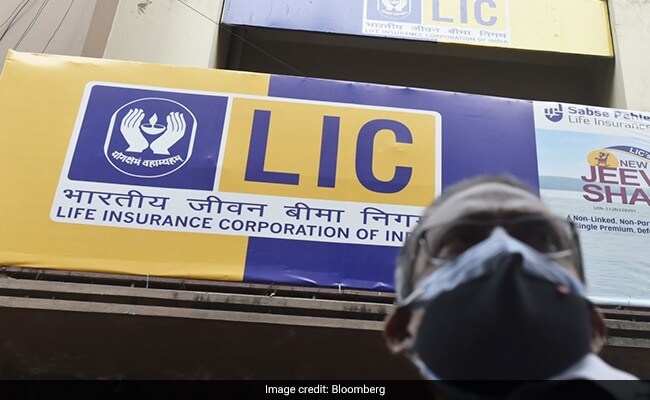
India is pushing for a valuation of about Rs 15 lakh crore ($203 billion) for a state-owned insurer that's soon expected to file for the nation's biggest initial public offering, people familiar with the matter said, even as arrangers awaited a final report on the firm's estimated worth.
The so-called embedded value of Life Insurance Corp. of India is likely to be more than Rs 4 lakh crore, and its market value could be about four times that amount, the people said, asking not to be identified as the discussions are private. Once the final report is in, the valuation the government is seeking could change.
Embedded value, a key metric for insurers, combines the current value of future profits with the net value of assets. The gauge will be part of LIC's IPO prospectus that's likely to be filed in the week starting January 31. Typically, the market value of insurers is between three and five times the embedded value.
If investors agree with those calculations proposed by the government, LIC would join the league of India's biggest companies -- Reliance Industries Ltd. and Tata Consultancy Services Ltd. -- which have a market capitalization of Rs 17 lakh crore and Rs 14.3 lakh crore, respectively.

A finance ministry spokesman didn't answer calls to his mobile phone seeking comment, while LIC declined to comment.
The government may be stretching its expectations a bit too far, two of the people said. The final valuation would be decided based on various parameters, including investor appetite, profitability outlook, and trends in the industry, they said.
The first-time share sale by the insurer is part of Prime Minister Narendra Modi's efforts to mop up cash and help rein in a budget deficit that's widened in the midst of the pandemic. The government is planning to sell 5% to 10% of the company before the end of March.
A call on the amount of stake to be sold will be taken by a ministerial panel later this month before LIC files the draft prospectus with the market regulator. At the valuation the government wants, a 5% stake will fetch about Rs 75,000 crore.

-
High US Salaries, No Green Card Certainty: The Financial Calculation Facing Indian H-1B Families

The suspension of PERM processing at eight technology employers does not cancel existing H-1B visas. What it does is force a question many Indian families have been avoiding: is the US salary worth tying your career and family plans to one employer?
-
Swiggy vs Eternal: Food Delivery's Two Rivals Are No Longer In The Same Race
Eternal is building a private AI assistant, dark.ai. Swiggy is still working out how to make Instamart pay, with an operating loss of Rs 895 crore in the July-September quarter while Blinkit stayed profitable.
-
Where You Live Shapes How You Get To Work | The Reason Why
Two-wheelers are the most popular way to get to work in India, accounting for nearly 43% of workplace commutes.
-
Unhedged Position: Can India See An Indonesia-Style Time Correction?
The Nifty is trading below levels it first clocked in 2024. Is there, then, as I have suggested in the headline, potential that the current time correction drags on painfully for the next three-five, even ten years?
-
Navigating Friction And Energy Realities: An Analysis Of Marco Rubio's October Visit To India
Occurring at a critical juncture marked by stalled trade negotiations and escalating geopolitical pressures over global energy supplies, the visit offers a profound window into modern US-India relations.
-
India Exports Capital. Why Not Export Trusteeship?
The big question, then, is whether India can build an institution that global borrowers, investors, banks, and lawyers can trust, even without an Indian connection.
-
France's Economy & Politics Are In Crisis | The Reason Why
Let's look at how the French economy and politics evolved under Nicolas Sarkozy, Franois Hollande and Emmanuel Macron.
-
You May Inherit The Business. You Must Earn Its Credibility.
Succession tests the founder's ability to share authority as much as it tests the next generation's readiness to assume it.
-
Signing Deals Is One Thing; Making Them Work Is Another | The Week In Whys
Sometimes, things don't turn out as planned. Indian companies have lost some bids to rivals, some projects won't produce until 2030.
-
FOMC Wall, PERM Suspension, Hospital Stocks | Talking Points This Week
A PERM suspension would directly affect green-card sponsorship rather than H-1B visas, so the near-term earnings impact could remain relatively limited. The key question is whether this marks a new phase in US scrutiny of Indian IT.









