India Predicts Hotter Weather In Risk To Crops And Exports
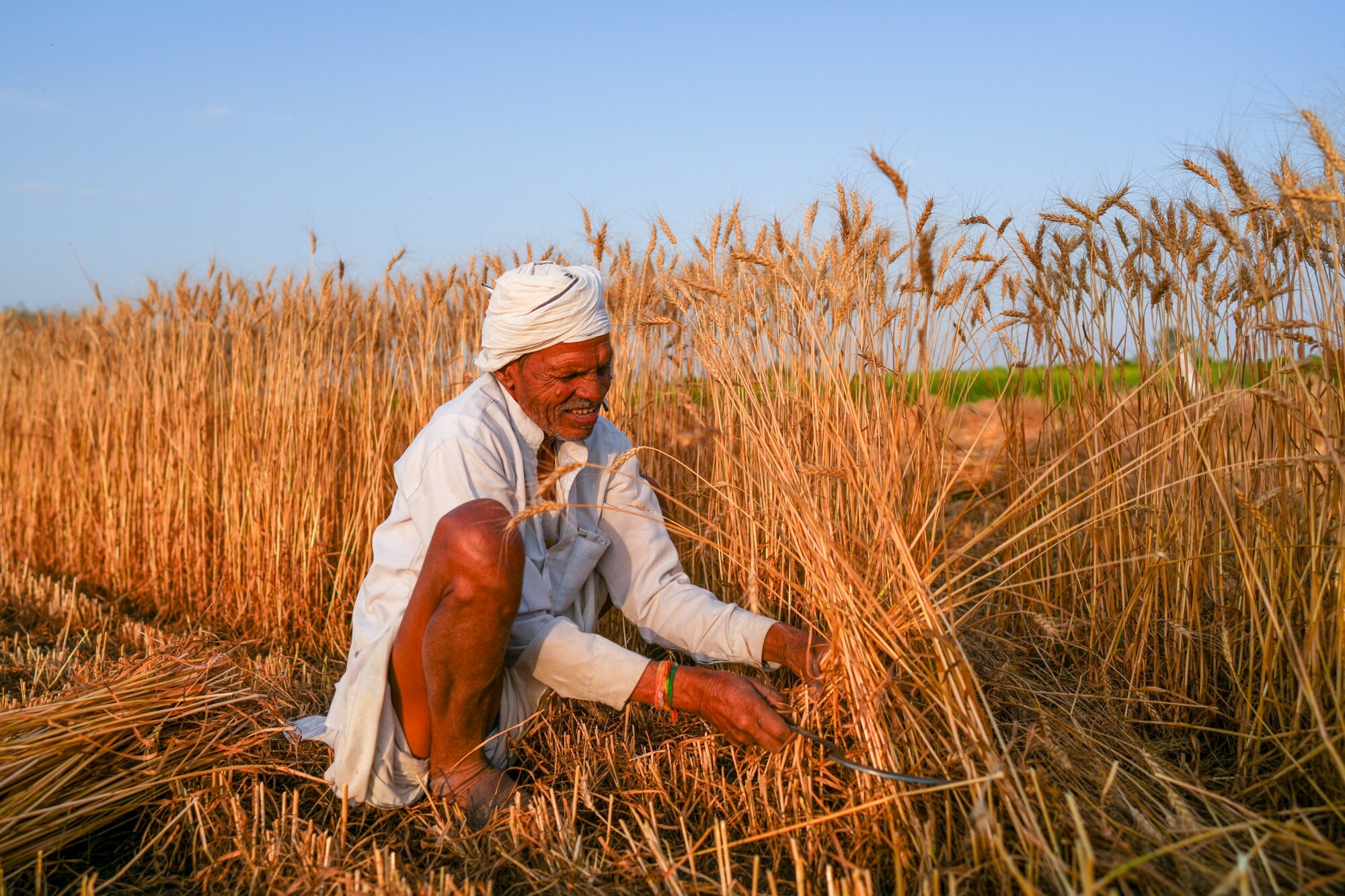
(Bloomberg) -- India forecast hotter-than-normal temperatures until May, posing a threat to crops and increasing the risk that the country's curbs on grain exports will remain.
Maximum temperatures are likely to be above normal in most parts of the country, Mrutyunjay Mohapatra, director general of the India Meteorological Department, said in an online briefing Friday. Higher-than-normal heat wave days are also seen during the three-month period to May, he said.
The prediction poses fresh challenges to the government, which is trying to keep food prices under check before general elections by restricting shipments of wheat, rice and sugar, and selling grains from state reserves in the local market. Higher temperatures may hurt wheat crops, which have progressed well so far and are at the grain-filling stage. India sees a 1.3% rise in output to 112 million tons this year.
It's another example of climate change making India vulnerable to extreme weather events. The frequency and intensity of floods, heat waves and droughts have been rising and hundreds of people are getting killed every year. Crop damages in the past years have forced the nation to turn to protectionist measures. Local supplies have improved but food prices stay elevated.
A hotter summer can also test the government's ability to ensure power supplies ahead of the polls in the coming months, when Prime Minister Narendra Modi will seek a third five-year term. Higher-than-usual temperatures and heat waves last year caused India's peak electricity demand to soar to a record, putting pressure on power grids.
Temperatures in March may be above average over many areas of southern, northeast, central and northwest regions, Mohapatra said. The El Niño weather pattern, which can bring dry weather to parts of Asia, will continue during the Indian summer season, he said.
Average maximum temperatures across the country were near-normal in February, except in the southern region where they hit the highest since 1901, according to the weather office.
--With assistance from Rajesh Kumar Singh.
(Updates to add comments and details throughout.)
More stories like this are available on bloomberg.com
©2024 Bloomberg L.P.

-
Love, Sex Aur Dhokha: The Audacious Plot To Spy On Jensen Huang

A Taipei dinner, a Singapore chip buyer and a suspected Chinese asset: inside the alleged spy operation that got close to NVIDIA's Jensen Huang.
-
Ten Things I Learnt This Samvat
Patience can be a trap. Cheap stocks can stay cheap. Leverage can wipe you out. What did Samvat 2082 teach us? Niraj Shah writes on 10 lessons from the year gone by.
-
Talking Points This Week: Tech Nerves, FII Buying, And A Faraway Banking Shock
The global markets are not shining this Diwali. The exception in the large markets is, India.
-
Midterm Rally Lasted A Day. The Hard Reality Of A Divided US May Last Two Years | Opinion
Between a contested AI boom, a debt ceiling that arrives in 2027 and a president with every incentive to act alone, the next two years may prove more volatile than the first day's rally suggests.
-
Blue Wave Will Derail the AI Trade but Won't Dismantle the AI Era | Unhedged Position
The Democrats' sweep of the US Congress will see politics collide with economic forces both over the long and short term.
-
It's Time To Take The GST Council's Bet On Trust Global
Payment records can prove India's services exports, and clear, proportionate rules can bring foreign digital sellers into the tax net.
-
Opinion | India at 38: From Innovation Overperformer to Innovation Powerhouse
India now has 453 VC-backed deep science startups, 18 of them late-stage, after 117 percent growth since 2020. Laurus Labs, at USD 9.3 billion, is the most valuable deep science company in any middle-income economy outside China.
-
Navigating Energy Crossroads: S Jaishankar's Call For Diversified Supply Chains At G20 Ministerial Meeting
As geopolitical fault lines continue to test maritime trade routes and commodity flows, Jaishankar's message remains pertinent: true economic resilience requires open markets, protected transit lines, and a genuine commitment to multilateral cooperation rather than coercion.
-
Indians Are Travelling, But Not Every Journey Is A Holiday | The Week In Whys
Pilgrims, patients and working women are the real travellers, and the system hasn't quite caught up with them.









