India May Face Greater Coal Shortage In Second Quarter Over Higher Power Demand
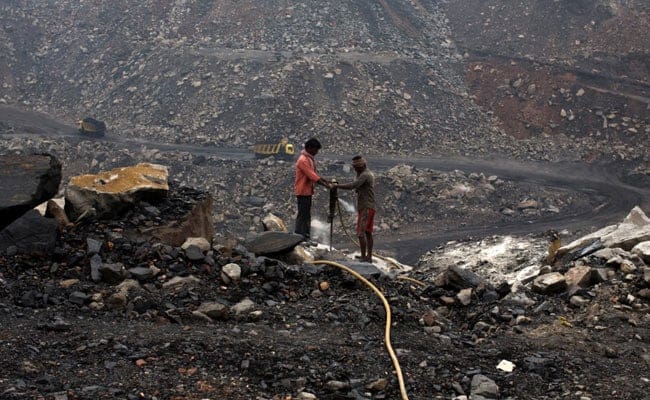
India is expected to face a wider coal shortage during the quarter ending September over expectations of higher power demand, an internal power ministry presentation seen by Reuters showed, worsening risks of widespread power outages.
The energy-hungry nation expects local coal supply to fall 42.5 million tonnes short of demand in the September quarter, 15 per cent higher than previously projected, due to higher growth in power demand and lower output from some mines.
The grim forecast shows the extent of the fuel shortage in India, at a time when annual power demand is seen growing at the fastest rate in at least 38 years and global coal prices are trading at near-record levels due to a supply crunch resulting from the Russia-Ukraine crisis.
India has stepped up pressure on utilities to increase imports in recent days, warning of cuts to supply of domestically mined coal if power plants do not build up coal inventories through imports.
However, one of the slides in the presentation showed that most states had yet to award contracts to import coal and that Indian utilities would run out of coal by July if no coal was imported.
Only one state had awarded a contract to import coal as of end-April, a power ministry import status report reviewed by Reuters showed.
India expects domestic coal supply of 154.7 million tonnes, 42.5 million tonnes short of the projected requirement of 197.3 million tonnes in the September quarter, the presentation showed. It previously expected a shortage of 37 million tonnes.
The presentation was made on Friday in a virtual meeting in which the coal and power ministers were present, with top energy officials from the central government and the states in attendance, according to two government officials familiar with the matter.
The federal coal and power ministries did not immediately respond to a request seeking comment. Details on the presentation have not been previously reported.
Coal inventories at power plants have declined by about 13 per cent since April, which translates to eight days of coal requirement, the lowest level at this time of the year in at least nine years. The higher coal demand could also stifle efforts to build power plant inventories.
India now expects the demand for coal from utilities to be 784.6 million tonnes for the year ending March 2023, the presentation showed, 3.3% higher than projected earlier.
The projected annual coal shortage is now 49.3 million tonnes, nearly three times the 17.7 million tonnes projected earlier, the presentation showed.
India reconciled its coal demand projections after higher-than-expected power demand growth in April, when electricity use hit a record high due to soaring temperatures.
Many states on Friday called for the State-owned Coal India to import coal in bulk and distribute it among the states, the officials said.
States cited high global prices and supply challenges to seek aggregated imports, the officials said, adding that the coal minister had told states the demand would be considered.
Higher imports could put further pressure on state-government-owned power distribution companies, which are already saddled with debt and owe billions of dollars to generators as they have historically absorbed higher input costs to keep tariffs steady.
Coal India did not immediately respond to a request seeking comment. The world's largest miner has not imported coal in the recent years.
(Except for the headline, this story has not been edited by NDTV staff and is published from a syndicated feed.)

-
High US Salaries, No Green Card Certainty: The Financial Calculation Facing Indian H-1B Families

The suspension of PERM processing at eight technology employers does not cancel existing H-1B visas. What it does is force a question many Indian families have been avoiding: is the US salary worth tying your career and family plans to one employer?
-
Unhedged Position: Can India See An Indonesia-Style Time Correction?
The Nifty is trading below levels it first clocked in 2024. Is there, then, as I have suggested in the headline, potential that the current time correction drags on painfully for the next three-five, even ten years?
-
Navigating Friction And Energy Realities: An Analysis Of Marco Rubio's October Visit To India
Occurring at a critical juncture marked by stalled trade negotiations and escalating geopolitical pressures over global energy supplies, the visit offers a profound window into modern US-India relations.
-
India Exports Capital. Why Not Export Trusteeship?
The big question, then, is whether India can build an institution that global borrowers, investors, banks, and lawyers can trust, even without an Indian connection.
-
France's Economy & Politics Are In Crisis | The Reason Why
Let's look at how the French economy and politics evolved under Nicolas Sarkozy, Franois Hollande and Emmanuel Macron.
-
You May Inherit The Business. You Must Earn Its Credibility.
Succession tests the founder's ability to share authority as much as it tests the next generation's readiness to assume it.
-
Signing Deals Is One Thing; Making Them Work Is Another | The Week In Whys
Sometimes, things don't turn out as planned. Indian companies have lost some bids to rivals, some projects won't produce until 2030.
-
FOMC Wall, PERM Suspension, Hospital Stocks | Talking Points This Week
A PERM suspension would directly affect green-card sponsorship rather than H-1B visas, so the near-term earnings impact could remain relatively limited. The key question is whether this marks a new phase in US scrutiny of Indian IT.
-
Everything, Everywhere, All At Once: Dalal Street's Week To Forget | Joining The Dots
Visa curbs, a Starlink spat and cancer drug caps: what connects this week's shocks for Indian markets
-
India Is Going Abroad For Critical Minerals. But It May Take Years To Pay Off | The Reason Why
Although India's steps are in the right direction, they remain modest compared with India's growing dependence.









