India Considers Joint Venture Between Largest Power Producer, Financiers To Buy Stressed Plants
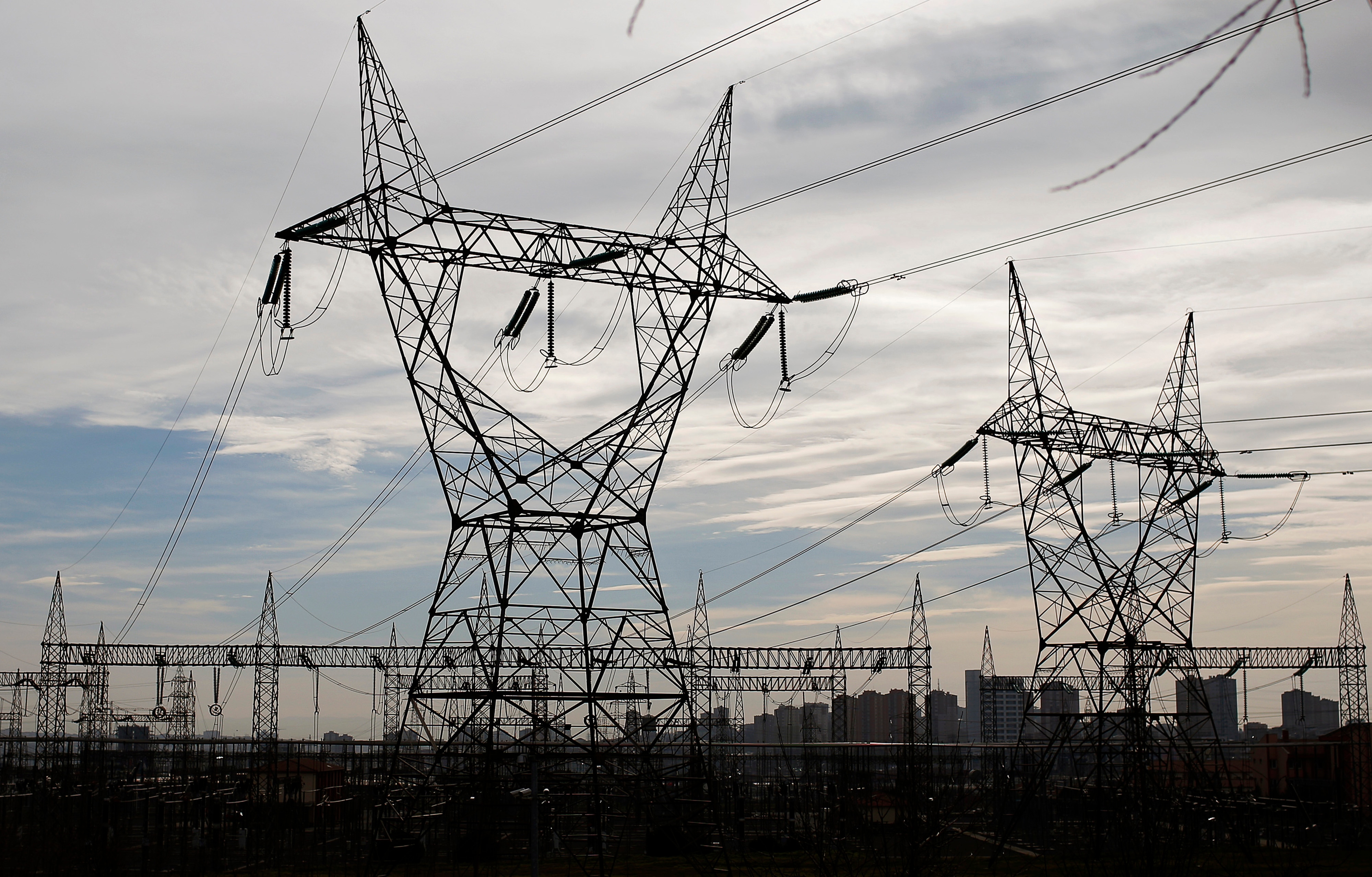
India is considering a proposal for a joint venture between the nation's biggest electricity producer and two state-run power financiers to bid for stressed power assets, one of the largest contributors to the nation's bad loans.
The Power Ministry is looking at the proposal by the state-run National Thermal Power Corporation Ltd., Power Finance Corporation Ltd. and the Rural Electrification Corporation Ltd. for jointly floating an entity to bid for assets under the new Insolvency and Bankruptcy Law, RK Singh, the minister in charge, said in New Delhi today. “We will examine it in consultation with the Finance Ministry and creditors. It will be a facility whereby we will tell bankers that they don't need to go for a fire sale or distress sale.”
Of the total loans worth Rs 5.59 lakh crore to the power sector, Rs 37,941 crore had turned bad and another Rs 60,858 crore were restructured as of June last year, PTI said citing a report by Parliamentary Standing Committee on Energy earlier this month. There were 34 stressed power assets with an overall capacity of 40 gigawatts and an outstanding debt of Rs 1.74 lakh crore.
Indian banks' bad loans, at more than Rs 8 lakh crore, are expected to rise after the Reserve Bank of India on Feb. 12 mandated banks to classify even a one-day delay in debt servicing as default. For accounts with an exposure of Rs 2,000 crore or more, lenders will have to ensure that a resolution plan is in place within 180 days after a ‘default'.
The stricter norms may push 60,000-70,000 MW power projects towards bankruptcy proceedings, Ashok Khurana, director general at the Association of Power Producers, had said. These plants are under stress due to lower availability of coal, lack of medium- and long-term power purchase pacts, divergence between policy and regulations on pass-through, delays in regulatory orders and pending receivables from distribution companies.
The power minister said the three-way proposed joint venture can run such stressed plants and when the demand improves, creditors can decide to sell them at a better valuation. The objective is to avoid stress in working plants, he said.
Also Read: Scorching Summer Will Add To India's Power Distress

-
Navigating Energy Crossroads: S Jaishankar's Call For Diversified Supply Chains At G20 Ministerial Meeting

As geopolitical fault lines continue to test maritime trade routes and commodity flows, Jaishankar's message remains pertinent: true economic resilience requires open markets, protected transit lines, and a genuine commitment to multilateral cooperation rather than coercion.
-
Indians Are Travelling, But Not Every Journey Is A Holiday | The Week In Whys
Pilgrims, patients and working women are the real travellers, and the system hasn't quite caught up with them.
-
Getting To Work Costs Women More | The Reason Why
It is not just about women paying more than men. It is about women paying much more in cities than in villages.
-
AI Bias In Investing Cannot Be Eliminated, But It Can Be Governed
Framing is a particularly important example as identical financial information presented in terms of gains rather than losses can lead an LLM to reach a different assessment.
-
Joining The Dots | Dark Skies, Steady Diya: Why Hope Holds This Diwali
With war, a weak rupee and foreign outflows weighing on sentiment, policymakers at the NDTV World Summit and market veterans at NDTV Profit Ignite: Diwali Edition offered the same advice: stay invested and filter out the noise.
-
The Curious Case of Equitas Small Finance Bank And A CEO Who Quit For Stock
PN Vasudevan believes persistent investor concerns over a perceived conflict of interest had become a governance overhang on Equitas Small Finance Bank's stock, even as the lender improved profitability and asset quality.
-
Talking Points This Week: AI Cash Burn, A Tiger Comeback And An India That Still Finds Its Own Path
India is not immune to higher oil or tighter global liquidity, yet its earnings base is broader, its domestic policy levers are still available.
-
Foreign Investors Own Half Of HDFC Bank and ICICI Bank. An LTCG Cut Could Matter Most Here
Foreign portfolio investors have US$115 billion parked in HDFC Bank, ICICI Bank. If the government cuts long-term capital gains tax, Jefferies says returning foreign money could land here first.
-
'Never Seen This Level Of Negativity': Sandeep Tandon Says The Next Rally May Be Closer Than You Think
Veteran investor Sandeep Tandon says foreign selling is easing, large-caps are due a comeback and mid-caps are crowded, while he turns positive on gold, power and pharma this Diwali.










