India Approves Second Phase Of Electric Vehicle Scheme With Higher Outlay
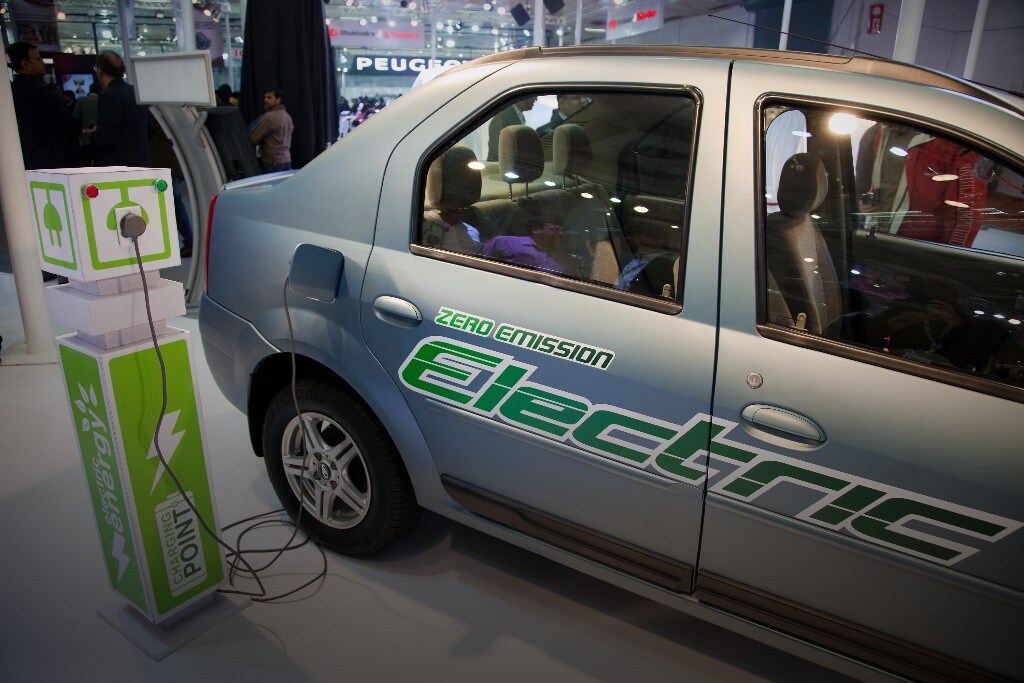
India approved the second phase of a scheme to boost electric mobility with a higher outlay as it looks to have at least 30 percent of the vehicles powered by battery in little over a decade.
The Cabinet Committee of Economic Affairs on Thursday approved a Rs 10,000-crore package for the next phase of Faster Adoption and Manufacturing of Electric (and hybrid) Vehicles scheme, according to a government notification.
It offers upfront incentives on purchase of electric vehicles besides setting up charging infrastructure and focussing on electrification of public transport.
India has set a target of achieving 30 percent electric mobility by 2030 in order to cut reliance on fossil fuels to curb pollution and reduce its import bill. Nitin Gadkari, union minister for road transport, highways and shipping, had said that India aims to have at least 15 percent electric vehicles on its roads in five years.
Through the FAME II scheme, an extension of FAME I, the government plans to support 10 lakh electric two-wheelers, 5 lakh three-wheelers, 55,000 four-wheelers and 7,000 buses. “For more than two years, the industry has been waiting for the announcement of a long-term policy including the FAME II scheme,” Rajan Wadhera, president at SIAM, said.
Features of the scheme:
- Three-wheeler and four-wheeler segment incentives will be applicable mainly to vehicles used for public transport or registered for commercial purposes.
- For the two-wheeler segment, the focus will be on the private vehicles.
The Rs 10,000-crore outlay for FAME II policy for the next three years indicates long-term stable policy towards adoption of EVs, Subrata Roy, senior group vice president at ICRA told BloombergQuint, adding that the support to EV charging infrastructure and bringing down ownership costs would be critical to wider adoption of electric vehicles.
The move, according to experts, may also bring down prices of electric vehicles. “Given the limited manufacturing base in India and evolving battery technology, incentivising the manufacturing ecosystem is vital to optimise costs,” P Pranavant, partner at Deloitte India said, adding that this would ultimately cascade towards reduced EV prices.

-
Talking Points This Week: Tech Nerves, FII Buying, And A Faraway Banking Shock

The global markets are not shining this Diwali. The exception in the large markets is, India.
-
Midterm Rally Lasted A Day. The Hard Reality Of A Divided US May Last Two Years | Opinion
Between a contested AI boom, a debt ceiling that arrives in 2027 and a president with every incentive to act alone, the next two years may prove more volatile than the first day's rally suggests.
-
Blue Wave Will Derail the AI Trade but Won't Dismantle the AI Era | Unhedged Position
The Democrats' sweep of the US Congress will see politics collide with economic forces both over the long and short term.
-
It's Time To Take The GST Council's Bet On Trust Global
Payment records can prove India's services exports, and clear, proportionate rules can bring foreign digital sellers into the tax net.
-
Opinion | India at 38: From Innovation Overperformer to Innovation Powerhouse
India now has 453 VC-backed deep science startups, 18 of them late-stage, after 117 percent growth since 2020. Laurus Labs, at USD 9.3 billion, is the most valuable deep science company in any middle-income economy outside China.
-
Navigating Energy Crossroads: S Jaishankar's Call For Diversified Supply Chains At G20 Ministerial Meeting
As geopolitical fault lines continue to test maritime trade routes and commodity flows, Jaishankar's message remains pertinent: true economic resilience requires open markets, protected transit lines, and a genuine commitment to multilateral cooperation rather than coercion.
-
Indians Are Travelling, But Not Every Journey Is A Holiday | The Week In Whys
Pilgrims, patients and working women are the real travellers, and the system hasn't quite caught up with them.
-
Getting To Work Costs Women More | The Reason Why
It is not just about women paying more than men. It is about women paying much more in cities than in villages.
-
AI Bias In Investing Cannot Be Eliminated, But It Can Be Governed
Framing is a particularly important example as identical financial information presented in terms of gains rather than losses can lead an LLM to reach a different assessment.









