India Aims To Digitise Power Distribution By March 2019
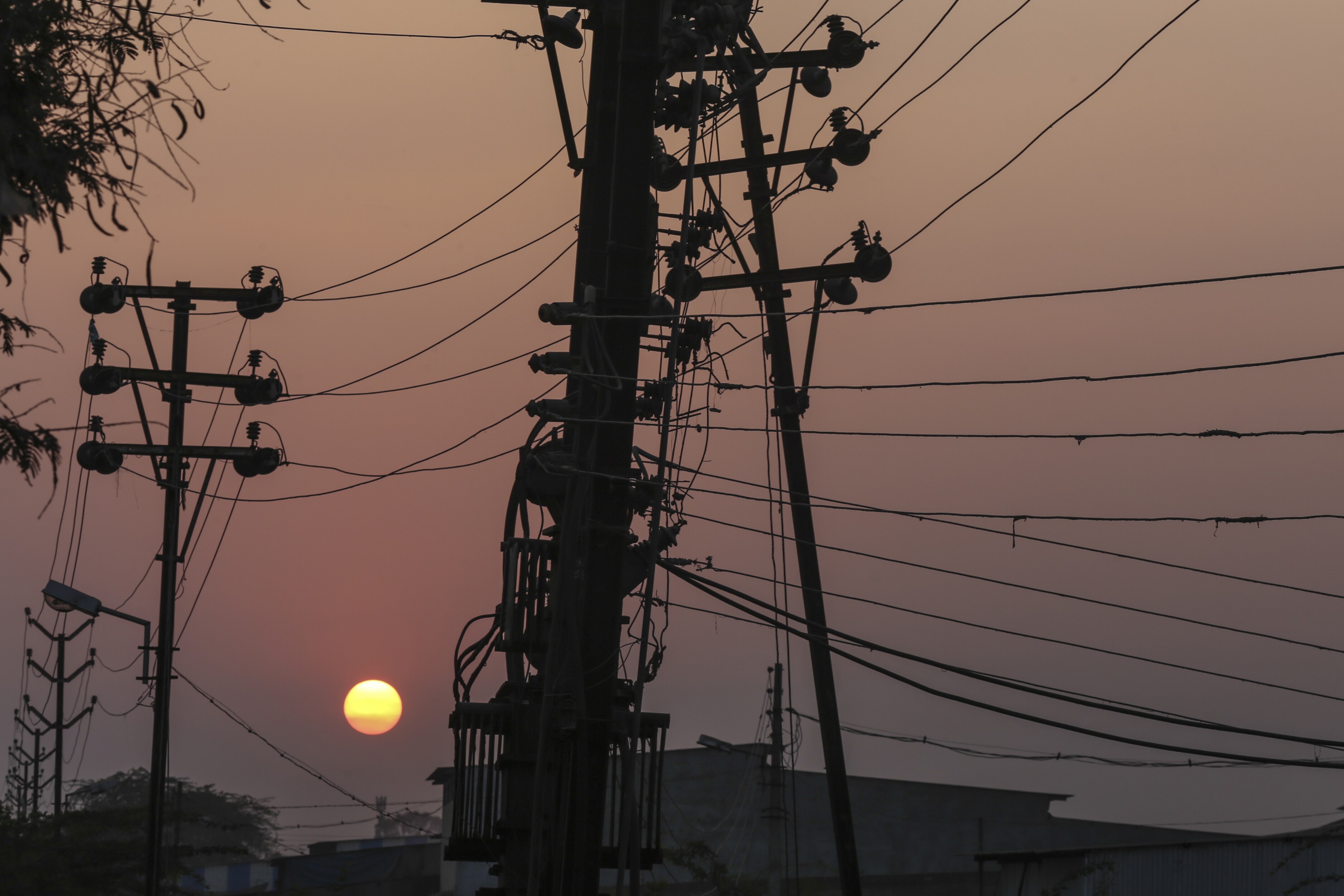
The government plans to do away with human interface in the entire power distribution system by March 2019 to stem losses suffered by distribution companies and make them viable.
“One way is to achieve 100 percent metering of all households in the country. Of these, 90 percent will be prepaid smart meters. Payment of power supply will be through mobile,” Minister of Power and New and Renewable Energy RK Singh told reporters after a meeting with state power ministers.
Installation of easily rechargeable smart meters is in line with the government's Saubhagya Scheme which aims to provide electricity to all households by March 31, 2019.
The mandatory installation of prepaid meters for small consumers and smart meters for large ones, with every connection in each state, will prevent corruption and increase compliance in bill payments, Singh said.
This will give poor consumers flexibility to recharge prepaid meters online through mobile phones with a small amount at any given point of time. This would also do away with the human element in meter reading, billing and recovery of the amount from consumer, and hence the corruption involved at the lowest level.RK Singh, Minister of Power and New and Renewable Energy
Also Read: No Free Electricity Under ‘Power For All' Scheme
Setting up smart meters is one of the operational performance parameters of Centre's Ujwal Discom Assurance Yojana (UDAY) scheme, a scheme launched in 2015 as the third relief package for power discoms in 12 years.
Smart meters will enable the government to reduce losses at state-owned power distribution companies which had a combined debt of Rs 4.3 lakh crore as of September 2015, according to Bloomberg data.
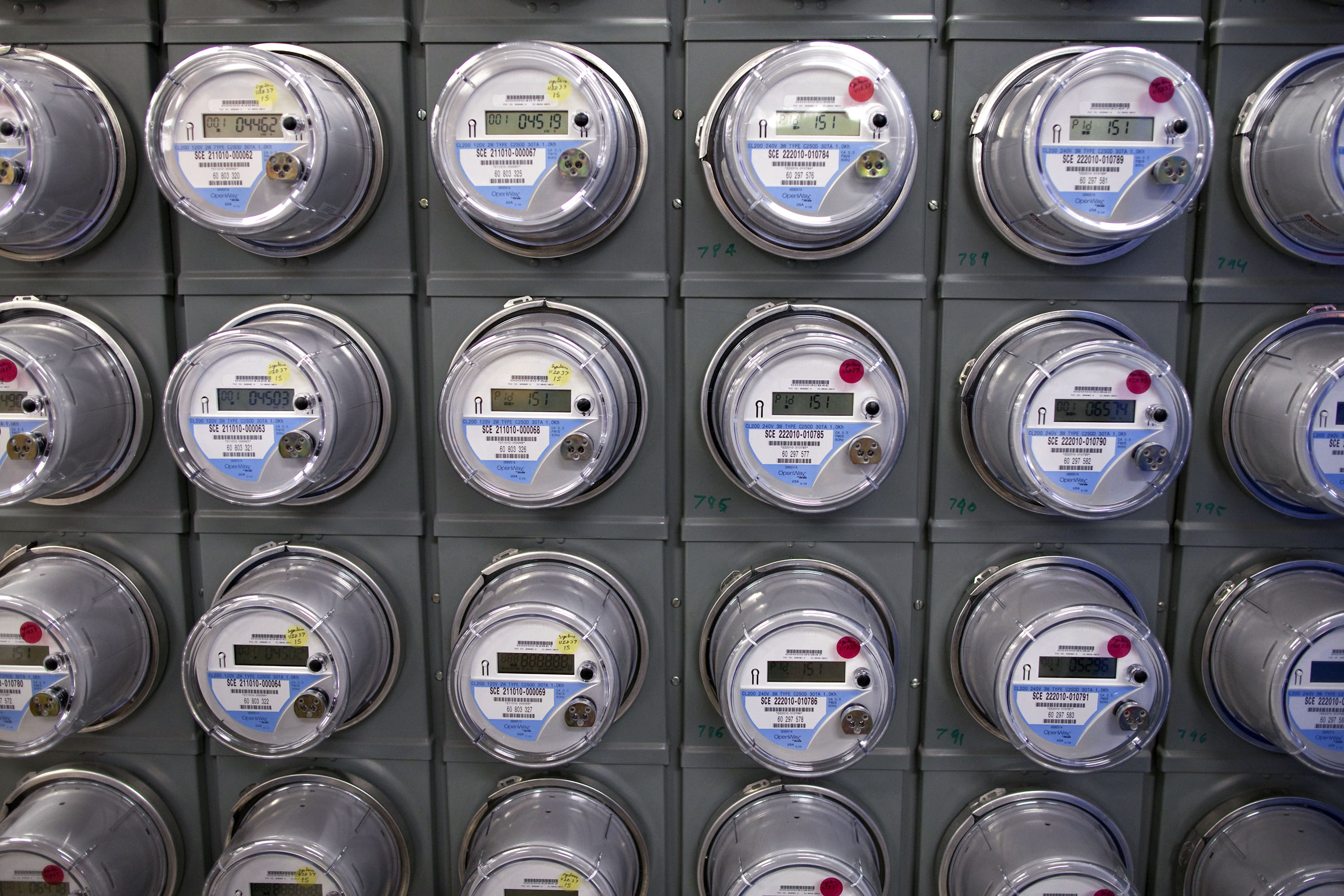
The Smart Meter Race
Only 98,264 units or 2 percent of the target for installing smart meters above 500 kilowatt hour has been achieved in financial year 2016-17, according to data on UDAY's website. The target was to install 48,77,484 smart meters.
Also, only 0.8 percent of the target has been met for installing smart meters above 200 kWH and up to 500 kWH. Only 1,32,451 smart meters were installed as against the target of 1,71,82,636 in FY17.
India recently entered the global smart meter race by buying five million smart meters for Uttar Pradesh and Haryana. Energy Efficiency Services Ltd., the government agency responsible for running the country's energy efficiency programmes, floated the tender for smart meters in July. The bid was won by engineering conglomerate Larsen & Toubro Ltd. which will supply 50 lakh smart meters in the two North Indian states.
EESL will procure 40 lakh smart meters for Uttar Pradesh and 10 lakh for Haryana to be installed in a phased manner over three years, it said in a statement earlier.
Discoms will also not be allowed to pass on billing losses to consumers, Singh said. “We are discussing with the regulators that after 2019, the percentage of loss permissible to be accounted for in the tariff cannot exceed 15 percent,” he added.
Also Read: Modi's ‘Power For All' Plan May Make Off-Grid Plants Unviable

-
Navigating Friction And Energy Realities: An Analysis Of Marco Rubio's October Visit To India

Occurring at a critical juncture marked by stalled trade negotiations and escalating geopolitical pressures over global energy supplies, the visit offers a profound window into modern US-India relations.
-
India Exports Capital. Why Not Export Trusteeship?
The big question, then, is whether India can build an institution that global borrowers, investors, banks, and lawyers can trust, even without an Indian connection.
-
France's Economy & Politics Are In Crisis | The Reason Why
Let's look at how the French economy and politics evolved under Nicolas Sarkozy, Franois Hollande and Emmanuel Macron.
-
You May Inherit The Business. You Must Earn Its Credibility.
Succession tests the founder's ability to share authority as much as it tests the next generation's readiness to assume it.
-
Signing Deals Is One Thing; Making Them Work Is Another | The Week In Whys
Sometimes, things don't turn out as planned. Indian companies have lost some bids to rivals, some projects won't produce until 2030.
-
FOMC Wall, PERM Suspension, Hospital Stocks | Talking Points This Week
A PERM suspension would directly affect green-card sponsorship rather than H-1B visas, so the near-term earnings impact could remain relatively limited. The key question is whether this marks a new phase in US scrutiny of Indian IT.
-
Everything, Everywhere, All At Once: Dalal Street's Week To Forget | Joining The Dots
Visa curbs, a Starlink spat and cancer drug caps: what connects this week's shocks for Indian markets
-
India Is Going Abroad For Critical Minerals. But It May Take Years To Pay Off | The Reason Why
Although India's steps are in the right direction, they remain modest compared with India's growing dependence.
-
When Everyone Has AI, What Gives You An Edge?
India's young workforce is entering an uncertain world of work where powerful AI tools are becoming widely accessible. The advantage will belong to those who combine deep expertise with digital fluency, and the distinctly human capabilities that technology cannot manufacture.
-
Wrong Labels, High Pesticide Residues Holding Back Agri Exports | The Reason Why
India needs stronger domestic food-safety and labelling standards, with best practices becoming part of everyday business for farmers, traders and food companies.










