In US, Medical Record is Worth More to Hackers Than Credit Card
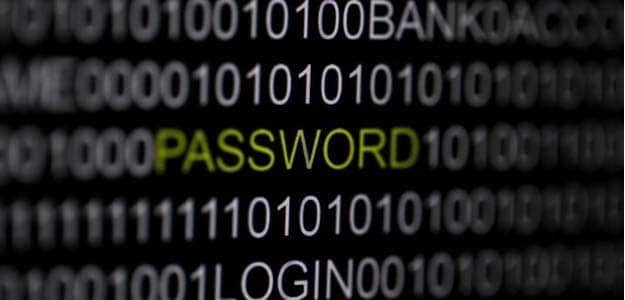
New York/Boston: Your medical information is worth 10 times more than your credit card number on the black market.
Last month, the FBI warned healthcare providers to guard against cyber-attacks after one of the largest US hospital operators, Community Health Systems Inc, said Chinese hackers had broken into its computer network and stolen the personal information of 4.5 million patients.
Security experts say cyber criminals are increasingly targeting the $3 trillion US healthcare industry, which has many companies still reliant on aging computer systems that do not use the latest security features.
"As attackers discover new methods to make money, the healthcare industry is becoming a much riper target because of the ability to sell large batches of personal data for profit," said Dave Kennedy, an expert on healthcare security and CEO of TrustedSEC LLC. "Hospitals have low security, so it's relatively easy for these hackers to get a large amount of personal data for medical fraud."
Interviews with nearly a dozen healthcare executives, cyber-security investigators and fraud experts provide a detailed account of the underground market for stolen patient data.
The data for sale includes names, birth dates, policy numbers, diagnosis codes and billing information. Fraudsters use this data to create fake IDs to buy medical equipment or drugs that can be resold, or they combine a patient number with a false provider number and file made-up claims with insurers, according to experts who have investigated cyber-attacks on healthcare organizations.
Medical identity theft is often not immediately identified by a patient or their provider, giving criminals years to milk such credentials. That makes medical data more valuable than credit cards, which tend to be quickly canceled by banks once fraud is detected.
Stolen health credentials can go for $10 each, about 10 or 20 times the value of a US credit card number, according to Don Jackson, director of threat intelligence at PhishLabs, a cyber crime protection company. He obtained the data by monitoring underground exchanges where hackers sell the information.
Attacks on the rise
The percentage of healthcare organizations that have reported a criminal cyber-attack has risen to 40 per cent in 2013 from 20 per cent in 2009, according to an annual survey by the Ponemon Institute think tank on data protection policy.
Founder Larry Ponemon, who is privy to details of attacks on healthcare firms that have not been made public, said he has seen an increase this year in both the number of cyber-attacks and number of records stolen in those breaches.
Fueling that increase is a shift to electronic medical records by a majority of US healthcare providers.
Marc Probst, chief information officer of Intermountain Healthcare in Salt Lake City, said his hospital system fends off thousands of attempts to penetrate its network each week. So far it is not aware of a successful attack.
"The only reason to buy that data is so they can fraudulently bill," Probst said.
Healthcare providers and insurers must publicly disclose data breaches affecting more than 500 people, but there are no laws requiring criminal prosecution. As a result, the total cost of cyber-attacks on the healthcare system is difficult to pin down. Insurance industry experts say they are one of many expenses ultimately passed onto Americans as part of rising health insurance premiums.
Consumers sometimes discover their credentials have been stolen only after fraudsters use their personal medical ID to impersonate them and obtain health services. When the unpaid bills are sent on to debt collectors, they track down the fraud victims and seek payment.
Ponemon cited a case last year in which one patient learned that his records at a major hospital chain were compromised after he started receiving bills related to a heart procedure he had not undergone. The man's credentials were also used to buy a mobility scooter and several pieces of medical equipment, racking up tens of thousands of dollars in total fraud.
Medicare fraud
The government's efforts to combat Medicare fraud have focused on traditional types of scams that involve provider billing and over billing. Fraud involving the Medicare program for seniors and the disabled totaled more than $6 billion in the last two years, according to a database maintained by Medical Identity Fraud Alliance.
"Healthcare providers and hospitals are just some of the easiest networks to break into," said Jeff Horne, vice president at cybersecurity firm Accuvant, which is majority-owned by private equity firm Blackstone Group.
"When I've looked at hospitals, and when I've talked to other people inside of a breach, they are using very old legacy systems - Windows systems that are 10 plus years old that have not seen a patch."
KPMG partner Michael Ebert said security has been an afterthought for many medical providers - whether it is building encryption into software used to create electronic patient records or in setting budgets.
"Are you going to put money into a brand new MRI machine or laser surgery or are you going to put money into a new firewall?" he said.
Copyright: Thomson Reuters 2014

-
Navigating Energy Crossroads: S Jaishankar's Call For Diversified Supply Chains At G20 Ministerial Meeting

As geopolitical fault lines continue to test maritime trade routes and commodity flows, Jaishankar's message remains pertinent: true economic resilience requires open markets, protected transit lines, and a genuine commitment to multilateral cooperation rather than coercion.
-
Indians Are Travelling, But Not Every Journey Is A Holiday | The Week In Whys
Pilgrims, patients and working women are the real travellers, and the system hasn't quite caught up with them.
-
Getting To Work Costs Women More | The Reason Why
It is not just about women paying more than men. It is about women paying much more in cities than in villages.
-
AI Bias In Investing Cannot Be Eliminated, But It Can Be Governed
Framing is a particularly important example as identical financial information presented in terms of gains rather than losses can lead an LLM to reach a different assessment.
-
Joining The Dots | Dark Skies, Steady Diya: Why Hope Holds This Diwali
With war, a weak rupee and foreign outflows weighing on sentiment, policymakers at the NDTV World Summit and market veterans at NDTV Profit Ignite: Diwali Edition offered the same advice: stay invested and filter out the noise.
-
The Curious Case of Equitas Small Finance Bank And A CEO Who Quit For Stock
PN Vasudevan believes persistent investor concerns over a perceived conflict of interest had become a governance overhang on Equitas Small Finance Bank's stock, even as the lender improved profitability and asset quality.
-
Talking Points This Week: AI Cash Burn, A Tiger Comeback And An India That Still Finds Its Own Path
India is not immune to higher oil or tighter global liquidity, yet its earnings base is broader, its domestic policy levers are still available.
-
Foreign Investors Own Half Of HDFC Bank and ICICI Bank. An LTCG Cut Could Matter Most Here
Foreign portfolio investors have US$115 billion parked in HDFC Bank, ICICI Bank. If the government cuts long-term capital gains tax, Jefferies says returning foreign money could land here first.
-
'Never Seen This Level Of Negativity': Sandeep Tandon Says The Next Rally May Be Closer Than You Think
Veteran investor Sandeep Tandon says foreign selling is easing, large-caps are due a comeback and mid-caps are crowded, while he turns positive on gold, power and pharma this Diwali.
-
Indians Stay With Family, Not In Hotels | The Reason Why
India still lacks enough clean, reliable and affordable hotels for budget-conscious travellers.










