IDBI Bank CEO Says It Can Recover $2.4 Billion in Bad Loans
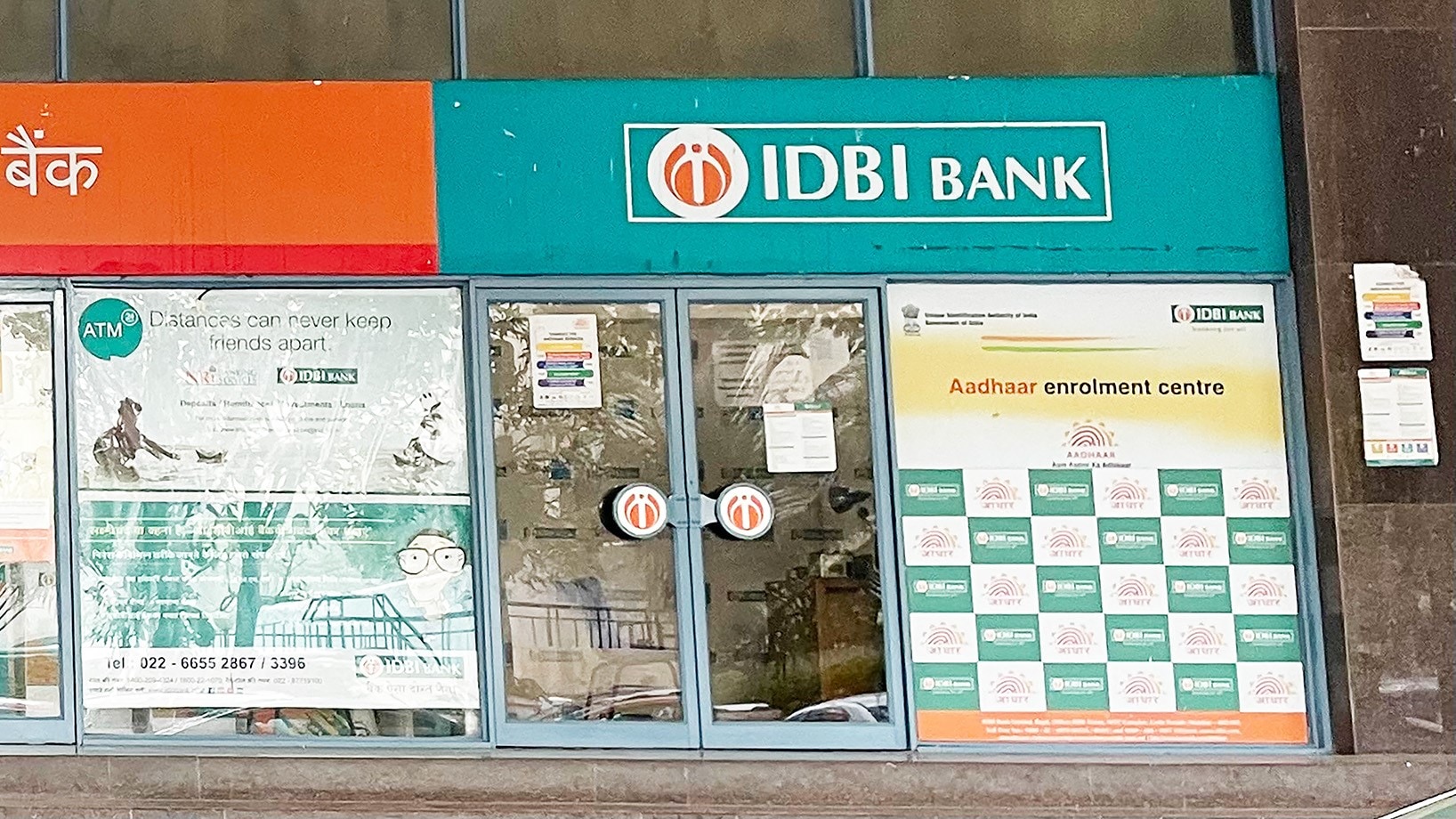
(Bloomberg) -- IDBI Bank Ltd.'s chief executive officer said the lender is likely to recoup 195 billion rupees ($2.4 billion) on soured debt in his pitch to potential buyers amid India's planned auction of the firm.
“We are sitting on about 780 billion rupees of fully provided for bad loans, including written-off loans, and around 25% is likely to be recovered,” Rakesh Sharma said in an interview in Mumbai. “This hidden asset is not reflected in our current valuation and will directly boost the bottom line.”
India is considering selling at least 51% of the $5 billion bank, people familiar with the matter have said, in what is set to be the biggest sale of the government's stake in a lender in decades.
The planned sale, part of Prime Minister Narendra Modi's efforts to raise 650 billion rupees in divestment proceeds in the year to March 31, marks a test of whether efforts to revamp the lender will pay off for the share holders.
Just four years ago, IDBI had the highest bad-loan ratio among banks in the nation. Sharma, 64, came out of retirement in 2018 to helm a revamp.
A 42-year banking veteran, Sharma has brought down funding costs, increased the focus on recovering soured debt and tightened the credit underwriting process. The bank returned to profitability in 2020 after 13 straight quarters of losses.
Bad Loans
“The underlying issue for many of the bank's problems was the concentration risk associated with lending to large corporates,” he said. “Now the lending mix has changed in favor of retail lending, and even among corporates, our loans are mostly to those that raters consider of the highest grade.”
IDBI Bank was penalized by the central bank in 2017 with several restrictions on lending after its bad-loan ratio surged and capital ratios depleted. Life Insurance Corp. of India acquired 51% of the lender in 2019 to help the government bail out the firm. The RBI removed sanctions on the bank last year paving the way for its proposed sale.
Since 2018, 324 billion rupees worth of share issuances to raise capital for bad loans have weighed on the bank's valuation. That has left the lender's shares with losses of more than 20% in the last five years compared to a 64% gain at the S&P BSE Bankex Index, the 10-member gauge for banking stocks in the country.
Imminent Sale
Now, government officials and state-backed LIC, which together own about 94% of IDBI Bank's shares, are in talks about how much of their stakes they plan to sell, people familiar with the matter said earlier this week. They will formally seek to gauge buyer interest as soon as the end of September, one of the people said.
While the government's Department of Investment and Public Asset Management will run the sale process, Sharma will pitch the business's prospects with bidders. The bank's digitization push, presence across the country through 1,886 branches, and strict cost controls are among points that Sharma plans to highlight to potential buyers.
The bank is seeking to recover at least 40 billion rupees of bad loans through March 31, exchange filings show. It has separate verticals to focus on recoveries of soured loans to consumers and companies. The CEO continues to monitor recovery efforts on each of the soured loans amounting to more than 50 million rupees, and the targeted recoveries are expected to happen within three years, he said.
“You will find a lot of potential for untapped profits in this bank, but not a single unpleasant surprise while going through the books would be my elevator pitch to bidders,” Sharma said.
More stories like this are available on bloomberg.com
©2022 Bloomberg L.P.

-
High US Salaries, No Green Card Certainty: The Financial Calculation Facing Indian H-1B Families

The suspension of PERM processing at eight technology employers does not cancel existing H-1B visas. What it does is force a question many Indian families have been avoiding: is the US salary worth tying your career and family plans to one employer?
-
Swiggy vs Eternal: Food Delivery's Two Rivals Are No Longer In The Same Race
Eternal is building a private AI assistant, dark.ai. Swiggy is still working out how to make Instamart pay, with an operating loss of Rs 895 crore in the July-September quarter while Blinkit stayed profitable.
-
Where You Live Shapes How You Get To Work | The Reason Why
Two-wheelers are the most popular way to get to work in India, accounting for nearly 43% of workplace commutes.
-
Unhedged Position: Can India See An Indonesia-Style Time Correction?
The Nifty is trading below levels it first clocked in 2024. Is there, then, as I have suggested in the headline, potential that the current time correction drags on painfully for the next three-five, even ten years?
-
Navigating Friction And Energy Realities: An Analysis Of Marco Rubio's October Visit To India
Occurring at a critical juncture marked by stalled trade negotiations and escalating geopolitical pressures over global energy supplies, the visit offers a profound window into modern US-India relations.
-
India Exports Capital. Why Not Export Trusteeship?
The big question, then, is whether India can build an institution that global borrowers, investors, banks, and lawyers can trust, even without an Indian connection.
-
France's Economy & Politics Are In Crisis | The Reason Why
Let's look at how the French economy and politics evolved under Nicolas Sarkozy, Franois Hollande and Emmanuel Macron.
-
You May Inherit The Business. You Must Earn Its Credibility.
Succession tests the founder's ability to share authority as much as it tests the next generation's readiness to assume it.
-
Signing Deals Is One Thing; Making Them Work Is Another | The Week In Whys
Sometimes, things don't turn out as planned. Indian companies have lost some bids to rivals, some projects won't produce until 2030.
-
FOMC Wall, PERM Suspension, Hospital Stocks | Talking Points This Week
A PERM suspension would directly affect green-card sponsorship rather than H-1B visas, so the near-term earnings impact could remain relatively limited. The key question is whether this marks a new phase in US scrutiny of Indian IT.









