IBC: What The Supreme Court Ruling Means For The Essar Steel Case
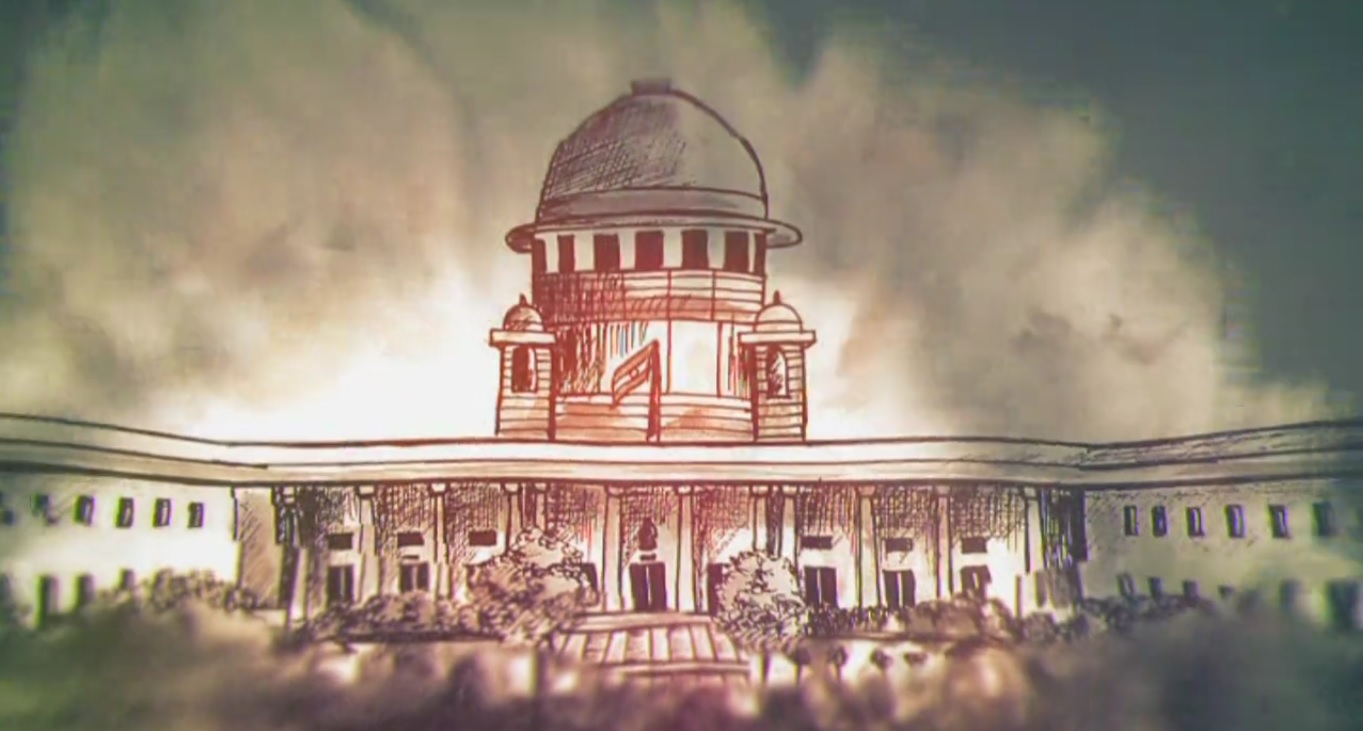
The Supreme Court today upheld the constitutional validity of the two-year-old Insolvency and Bankruptcy Code in its entirety. That means the Ruia family which is trying to retain its prized asset Essar Steel Ltd. has just one hurdle: convincing its lenders.
The Ruias' surprise late bid for Essar Steel proposes to clear all pending dues worth over Rs 54,000 crore unconditionally. That compared with ArcelorMittal's Rs 42,000-crore offer approved by the lenders earlier.
Today's judgment sets two provisions in place. The Section 29A of the IBC bars existing promoters of an insolvent firm from participating in bidding. But Section 12A says that a company can withdraw itself from insolvency proceedings if at least 90 percent of the committee of creditors—a panel of the lenders—vote in favour of the withdrawal.
While the Supreme Court upheld the bar on promoters to come in as resolution applicants, the Section 12A route is open for them, Nilang Desai, partner at AZB & Partners, pointed out. “In more cases than not, 12A is going to give a higher recovery for lenders; it may even be the entire recovery,” Desai told BloombergQuint. “If that is the case, then I see no problem for the promoters coming back and taking control of their company. If they're paying their debts, then what's the problem?”
Yet, convincing the lenders may not be that simple for the Ruias. Its largest creditor State Bank of India Ltd., with Rs 15,431-crore exposure, has put up its entire loans to Essar Steel up for sale, according to information on its auction website. The sale is open for asset reconstruction companies, non-banking finance companies, banks and financial institutions. If loans are sold, then Essar will have to convince the buyers of those loans to vote in favour of withdrawing from insolvency.
The Ruias has found support from billionaire Sajjan Jindal, whose JSW Steel Ltd. had unsuccessfully tried to bid for Essar Steel, the owner of 10-million-tonne steel mill in Gujarat. “They (the Ruias) should be given a chance. It is their company, if they're paying 100 percent of the money, so why not,” Jindal told BloombergQuint in Davos, Switzerland. “The process is not over till it's over. And it is not over yet. The promoters are saying I am willing to repay every dime.”
Jindal added that JSW Steel itself is not out of the race for Essar Steel while hinting a partnership with the Ruias. “There could be. There is a possibility. Whatever deal will happen, it will happen upfront.”
Winning bidder ArcelorMittal isn't amused by either of the Ruias' late offer or Jindal's candour. “These tactics are to delay, to frustrate and prevent the right resolution for the company,” Aditya Mittal, president of ArcelorMittal, told BloombergQuint in Davos. “It's very important that the IBC [Insolvency and Bankruptcy Code] process is followed.”
“India has to be rule based; we must rely on the basic process of law,” he said. “The committee of creditors has decided. They have taken the decision. If you follow the rules,we are the highest value bid.”
The Ahmedabad bench of the National Company Law Tribunal has already reserved its verdict on the maintainability of the bid by Essar Steel Asia Holdings to retake the management of the debt-laden company. The bench comprising BP Chaturvedi and Manorama Kumari has said they will pass an order by Jan. 31.

-
Navigating Energy Crossroads: S Jaishankar's Call For Diversified Supply Chains At G20 Ministerial Meeting

As geopolitical fault lines continue to test maritime trade routes and commodity flows, Jaishankar's message remains pertinent: true economic resilience requires open markets, protected transit lines, and a genuine commitment to multilateral cooperation rather than coercion.
-
Indians Are Travelling, But Not Every Journey Is A Holiday | The Week In Whys
Pilgrims, patients and working women are the real travellers, and the system hasn't quite caught up with them.
-
Getting To Work Costs Women More | The Reason Why
It is not just about women paying more than men. It is about women paying much more in cities than in villages.
-
AI Bias In Investing Cannot Be Eliminated, But It Can Be Governed
Framing is a particularly important example as identical financial information presented in terms of gains rather than losses can lead an LLM to reach a different assessment.
-
Joining The Dots | Dark Skies, Steady Diya: Why Hope Holds This Diwali
With war, a weak rupee and foreign outflows weighing on sentiment, policymakers at the NDTV World Summit and market veterans at NDTV Profit Ignite: Diwali Edition offered the same advice: stay invested and filter out the noise.
-
The Curious Case of Equitas Small Finance Bank And A CEO Who Quit For Stock
PN Vasudevan believes persistent investor concerns over a perceived conflict of interest had become a governance overhang on Equitas Small Finance Bank's stock, even as the lender improved profitability and asset quality.
-
Talking Points This Week: AI Cash Burn, A Tiger Comeback And An India That Still Finds Its Own Path
India is not immune to higher oil or tighter global liquidity, yet its earnings base is broader, its domestic policy levers are still available.
-
Foreign Investors Own Half Of HDFC Bank and ICICI Bank. An LTCG Cut Could Matter Most Here
Foreign portfolio investors have US$115 billion parked in HDFC Bank, ICICI Bank. If the government cuts long-term capital gains tax, Jefferies says returning foreign money could land here first.
-
'Never Seen This Level Of Negativity': Sandeep Tandon Says The Next Rally May Be Closer Than You Think
Veteran investor Sandeep Tandon says foreign selling is easing, large-caps are due a comeback and mid-caps are crowded, while he turns positive on gold, power and pharma this Diwali.
-
Indians Stay With Family, Not In Hotels | The Reason Why
India still lacks enough clean, reliable and affordable hotels for budget-conscious travellers.










