Indonesia Palm Oil Export Ban To Squeeze HUL To ITC Even More: Analysts
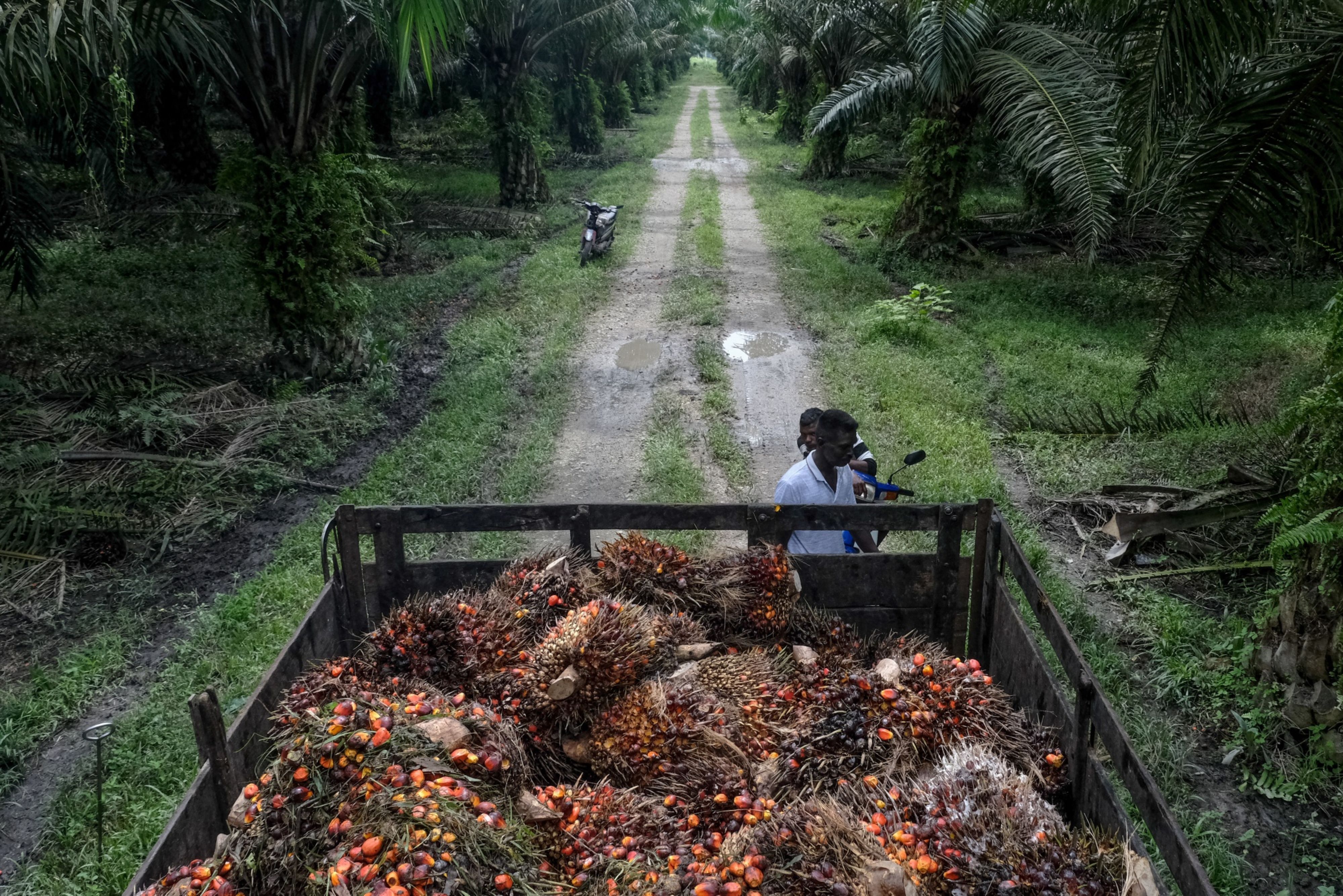
Indonesia's decision to ban palm oil exports will increase margin pressure for India's top consumer goods makers, according to analysts.
India, the world's largest palm oil importer, depends heavily on Indonesia and Malaysia for its supply. One of the cheapest vegetable oils, the commodity makes up 60% of India's oil imports because of its use as a key ingredient in products such as bread, biscuit, chocolates, Nutella, soaps and cosmetics.
Indonesia, the world's top producer of the commodity, banned palm oil exports to make it affordable and increase availability domestically. The impact on India is likely to be the opposite.
The ban is expected to cause the prices of soyabean to sunflower oils to rise, according to Prabhudas Lilladher. And higher prices of palm oil will further impact the margins of companies in the first quarter of FY23 ending June.
"We expect margins to bottom out in the first half of the fiscal given inflation across inputs," Prabhudas Lilladher said in a report. "We don't rule out further cut in margins. We expect weak to sideways movement for select consumer stocks in the near term."
Morgan Stanley concurs. "This changing dynamic of palm oil availability could result in a surge in other edible oil prices, implying overall downside risks to margins in an already high inflationary environment," it said. Palm oil prices had already shot up 29% year-to-date, after surging 34% in 2021.
Prabhudas Lilladher said Britannia Industries Ltd., Hindustan Unilever Ltd., Nestle India Ltd. and ITC Ltd. would be among the key companies affected directly as a result of the ban and higher prices. "We believe the impact would be seen most in categories such as biscuits, noodles, cakes, potato chips, frozen desserts, etc."
Quick service restaurants such as Westlife Development Ltd., the operator of McDonald's in western and southern India; and Restaurant Brands Asia Ltd., the operator of Burger King, "can also feel the pinch given edible oil usage to cook their patties and fries".
While there are a lot of unknowns including the duration of the ban, palm oil input prices are likely to stay firm in the near term, with a potential risk to supplies as well, Jefferies said.
"The unorganised sector may face severe constraint but given the already tough demand environment, listed players face earning risks on demand and margins - Hindustan Unilever Ltd., Godrej Consumer Products Ltd. and packaged foods have the highest exposure."

-
The Economic Imperative: Analysing The Material Driving Force Behind India-Canada Strategic Reset

This economic complementarity is further reinforced by deep institutional investment ties and talent mobility, which form the bedrock of the bilateral framework.
-
Medicine Pricing: Where Must Profit Stop?
India must confront excessive margins, hidden incentives and regulatory gaps that threaten the integrity of medicine.
-
Why Amazon And Flipkart Are Struggling To Beat Meesho In India's Smaller Cities
With 274 million users and lowest-cost logistics, Meesho is defending its value commerce crown against giants like Amazon and Flipkart.
-
High US Salaries, No Green Card Certainty: The Financial Calculation Facing Indian H-1B Families
The suspension of PERM processing at eight technology employers does not cancel existing H-1B visas. What it does is force a question many Indian families have been avoiding: is the US salary worth tying your career and family plans to one employer?
-
Swiggy vs Eternal: Food Delivery's Two Rivals Are No Longer In The Same Race
Eternal is building a private AI assistant, dark.ai. Swiggy is still working out how to make Instamart pay, with an operating loss of Rs 895 crore in the July-September quarter while Blinkit stayed profitable.
-
Where You Live Shapes How You Get To Work | The Reason Why
Two-wheelers are the most popular way to get to work in India, accounting for nearly 43% of workplace commutes.
-
Unhedged Position: Can India See An Indonesia-Style Time Correction?
The Nifty is trading below levels it first clocked in 2024. Is there, then, as I have suggested in the headline, potential that the current time correction drags on painfully for the next three-five, even ten years?
-
Navigating Friction And Energy Realities: An Analysis Of Marco Rubio's October Visit To India
Occurring at a critical juncture marked by stalled trade negotiations and escalating geopolitical pressures over global energy supplies, the visit offers a profound window into modern US-India relations.
-
India Exports Capital. Why Not Export Trusteeship?
The big question, then, is whether India can build an institution that global borrowers, investors, banks, and lawyers can trust, even without an Indian connection.
-
France's Economy & Politics Are In Crisis | The Reason Why
Let's look at how the French economy and politics evolved under Nicolas Sarkozy, Franois Hollande and Emmanuel Macron.










