HUL Has The Muscle To Boost GSK’s Nutrition Business
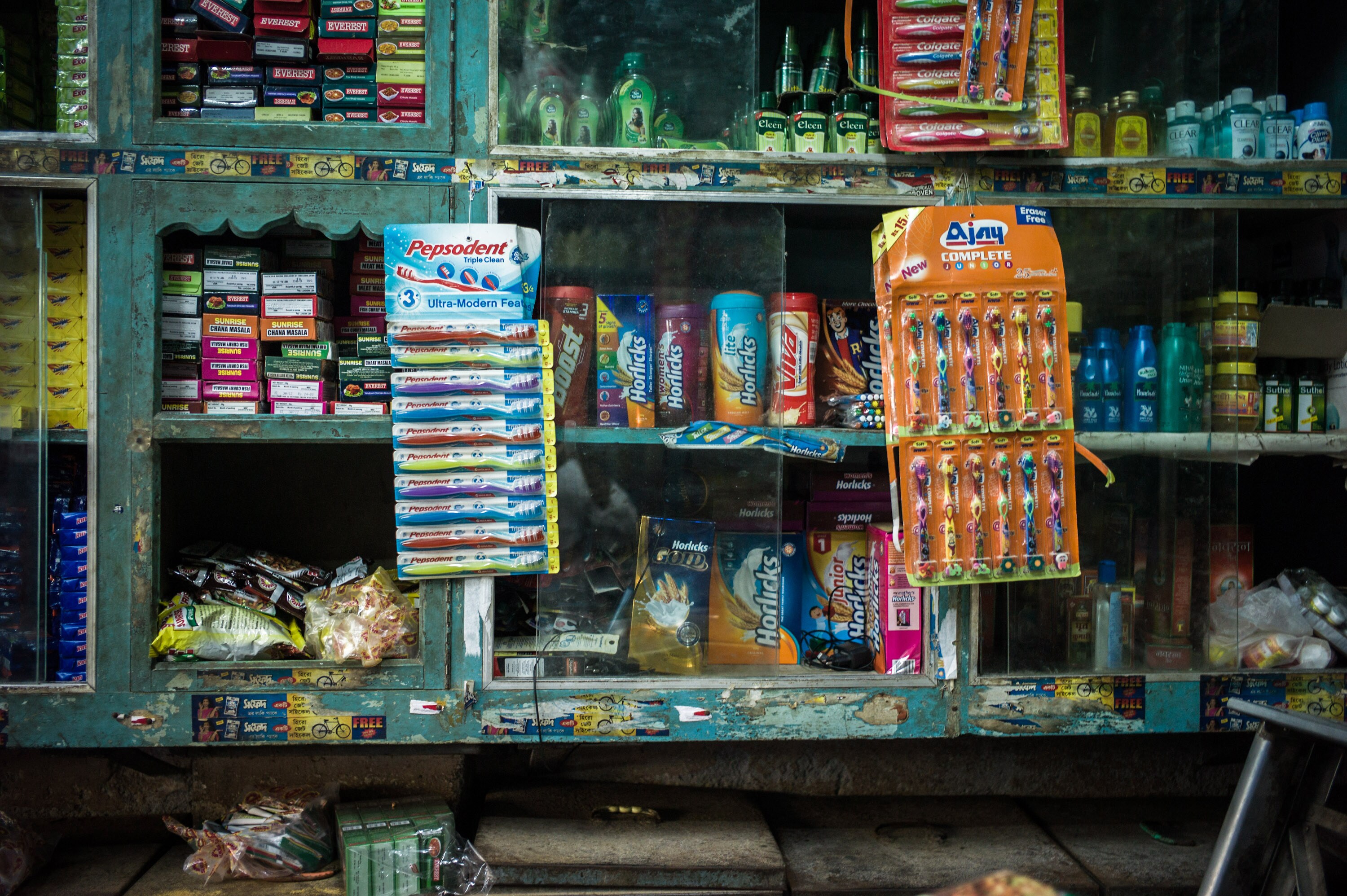
A slowing business in a slowing category. That's what Hindustan Unilever Ltd. will get if its parent Unilever Plc buys the consumer unit of Glaxo SmithKline Plc., including the malted-milk brand Horlicks. Brand experts and analysts say given its reach and size, India's largest consumer goods maker can still extract value.
Horlicks has a potential to grow, according to brand consultant Santosh Desai. “This acquisition will bolster HUL's food portfolio as the nutrition and health category still remains a gap.”
No deal has been announced yet. GSK Consumer Healthcare Ltd., the maker of Horlicks and Boost malt drinks, confirmed the talks but said there was no assurance of a sale. HUL informed exchanges that it evaluates mergers and acquisitions from time to time. That came after Bloomberg reported citing unnamed people aware of the development that Unilever edged out Nestle SA in the race and offered to pay $3 billion for about 70 percent of GSK Consumer Healthcare.
Glaxosmithkline's Indian healthcare business reported a flat revenue growth at Rs 4,377 crore in the year ended March—most of it coming from nutrition products like Horlicks and Boost. And industry forecasts are not upbeat.
The health drink category is expected to grow at 3.7 percent till 2022 compared with 11.5 percent in five years through 2017, according to Euromonitor International.
That's partly because sugary malt-drinks are priced on the higher side, according to Dhanraj Bhagat, consumer and retail partner at Grant Thornton India LLP. Companies also don't invest heavily on brand promotion to bring in more consumers, he said.
While Horlicks leads India's Rs 7,873-crore malt drink market, according to Euromonitor International, it competes with Mondelez International's Bournvita.
Still, HUL has no nutrition drink in its portfolio. A possible acquisition will increase the contribution of the food and beverages business to 27 percent of its Rs 34,619-crore sales, according to Macquaire, compared with 18.1 percent as of March.
Bigger Reach
GSK Consumer Healthcare has a retail reach of 1.8 million stores and a direct distribution network of 800,000 outlets, according to JPMorgan's report released after the second quarter earnings. Malt drinks are still largely an urban phenomenon with demand remaining untapped in smaller towns and rural areas. The company rolled out smaller packs. That's where the distribution network of HUL will help.
The maker of Red Label tea sells its products directly through 3.5 million retail stores and an overall reach of seven million outlets, according to Sanjay Manyal, senior research analyst at ICICI Direct. That will increase the reach of Horlicks across the country, especially for lower-priced packs and sachets, he said.
GSK Consumer Healthcare also sells Horlicks-branded biscuits but its contribution to the revenue is minuscule. Desai said the potential acquisition could give HUL an entry into India's Rs 26,000-crore sweet biscuit market.
GSK Consumer Healthcare's advertising and promotion spends were 12.5 percent of its sales in the year ended March. That's higher than HUL's 11.8 percent.
Still, it's not enough for a category and a product that has been stagnating, according to Bhagat. “The acquirer will have to re-evaluate sales and distribution strategy and also invest in promotions.”

-
High US Salaries, No Green Card Certainty: The Financial Calculation Facing Indian H-1B Families

The suspension of PERM processing at eight technology employers does not cancel existing H-1B visas. What it does is force a question many Indian families have been avoiding: is the US salary worth tying your career and family plans to one employer?
-
Swiggy vs Eternal: Food Delivery's Two Rivals Are No Longer In The Same Race
Eternal is building a private AI assistant, dark.ai. Swiggy is still working out how to make Instamart pay, with an operating loss of Rs 895 crore in the July-September quarter while Blinkit stayed profitable.
-
Where You Live Shapes How You Get To Work | The Reason Why
Two-wheelers are the most popular way to get to work in India, accounting for nearly 43% of workplace commutes.
-
Unhedged Position: Can India See An Indonesia-Style Time Correction?
The Nifty is trading below levels it first clocked in 2024. Is there, then, as I have suggested in the headline, potential that the current time correction drags on painfully for the next three-five, even ten years?
-
Navigating Friction And Energy Realities: An Analysis Of Marco Rubio's October Visit To India
Occurring at a critical juncture marked by stalled trade negotiations and escalating geopolitical pressures over global energy supplies, the visit offers a profound window into modern US-India relations.
-
India Exports Capital. Why Not Export Trusteeship?
The big question, then, is whether India can build an institution that global borrowers, investors, banks, and lawyers can trust, even without an Indian connection.
-
France's Economy & Politics Are In Crisis | The Reason Why
Let's look at how the French economy and politics evolved under Nicolas Sarkozy, Franois Hollande and Emmanuel Macron.
-
You May Inherit The Business. You Must Earn Its Credibility.
Succession tests the founder's ability to share authority as much as it tests the next generation's readiness to assume it.
-
Signing Deals Is One Thing; Making Them Work Is Another | The Week In Whys
Sometimes, things don't turn out as planned. Indian companies have lost some bids to rivals, some projects won't produce until 2030.
-
FOMC Wall, PERM Suspension, Hospital Stocks | Talking Points This Week
A PERM suspension would directly affect green-card sponsorship rather than H-1B visas, so the near-term earnings impact could remain relatively limited. The key question is whether this marks a new phase in US scrutiny of Indian IT.









