Europe's Biggest Bank HSBC To Cut 35,000 Jobs
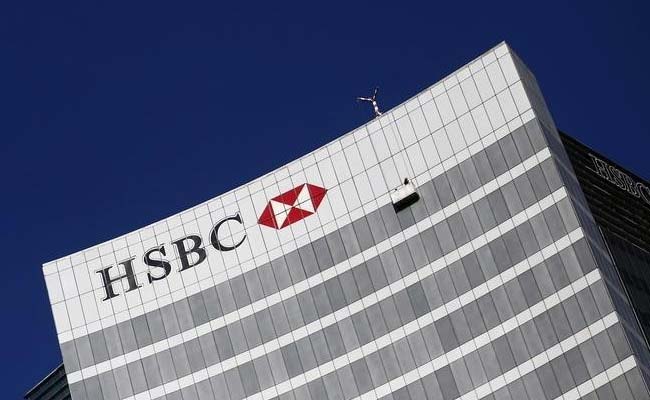
HSBC Holdings PLC said on Tuesday it would shed $100 billion in assets, shrink its investment bank, and revamp its US and European businesses in a drastic overhaul that will mean 35,000 jobs cut over three years.
The bank, which has struggled to keep pace with leaner and more focused rivals, is seeking to become more competitive as it grapples with slowing growth in its major markets, the coronavirus epidemic, Britain's European Union exit and lower central bank interest rates.
In the latest in a series of overhauls since the 2008 financial crisis, HSBC said it would merge its private banking and wealth businesses, axe European stock trading and cut US retail branches as it seeks to remove $4.5 billion in costs.
"The totality of this program is that our headcount is likely to go from 235,000 to closer to 200,000 over the next three years," Noel Quinn, interim chief executive, told news agency Reuters.
The restructuring, one of the largest undertaken by a blue chip lender for more than a decade, will be partly managed through natural attrition as people leave the bank, he said.
The UK-based bank, whose huge Asian operations are headquartered in Hong Kong, said the coronavirus epidemic had significantly impacted staff and customers. In the long run it could reduce revenue and cause bad loans to rise as supply chains are disrupted, Mr Quinn said.
The virus has killed almost 1,900 people, overwhelmingly in mainland China, and infected more than 70,000, while its economic impact is spreading across the globe.
HSBC veteran Mr Quinn is auditioning for the permanent role of CEO, which the bank said in August would be announced within six to 12 months.
"In one sense, they are doing the things that were obvious and had been called out by many, so it's good," said Hugh Young, managing director at Aberdeen Asset Management Asia, one of HSBC's 20 largest investors.
"Getting this done will require a fair amount of work, then we need to see how it settles down. Noel is doing a good job in very difficult circumstances," he added.
Europe's biggest bank by assets, which makes the bulk of its revenue in Asia, said profit before tax tumbled by a third to $13.35 billion in 2019, far below the average estimate of $20.03 billion from brokerages compiled by the bank.
That was due to $7.3 billion in write-offs linked to its global banking and markets and commercial banking business units in Europe.
In the United States, where the bank has underperformed for years, HSBC said it would close around a third of its 224 branches and target only international and wealthier clients.
The lender's shares were down 3.7 per cent at 568 pence at the London market open.
No Buybacks For 2 Years
HSBC, which has bought back some $6 billion of its own shares since 2016, said it would suspend buybacks for two years in order to pay for the restructuring but would maintain its dividend.
The bank's return on tangible equity (RoTE), a key profitability measure, is expected to be in the range of 10 per cent to 12 per cent in 2022. HSBC reported an RoTE of 8.4 per cent for last year, down from 8.6 per cent in 2018.
HSBC said it planned to invest more than $100 billion in "higher returning areas", resulting in broadly flat assets in value terms over the three years. It also expects to incur restructuring costs of about $6 billion, the bulk of it in this year and the next.
While strengthening its investment banking capabilities in Asia and the Middle East, the bank will maintain a global investment banking hub in London, reducing its European footprint for the business.
The bank will also reduce its sales and research coverage in European cash equities with a focus on supporting equity capital market transactions, it said, confirming a Reuters report last month regarding pullback from the trading business.
Commenting on the impact of the coronavirus, chief financial officer Ewen Stevenson told Reuters the bank expected additional loan loss provisions in the first quarter.

-
Ten Things I Learnt This Samvat

Patience can be a trap. Cheap stocks can stay cheap. Leverage can wipe you out. What did Samvat 2082 teach us? Niraj Shah writes on 10 lessons from the year gone by.
-
Talking Points This Week: Tech Nerves, FII Buying, And A Faraway Banking Shock
The global markets are not shining this Diwali. The exception in the large markets is, India.
-
Midterm Rally Lasted A Day. The Hard Reality Of A Divided US May Last Two Years | Opinion
Between a contested AI boom, a debt ceiling that arrives in 2027 and a president with every incentive to act alone, the next two years may prove more volatile than the first day's rally suggests.
-
Blue Wave Will Derail the AI Trade but Won't Dismantle the AI Era | Unhedged Position
The Democrats' sweep of the US Congress will see politics collide with economic forces both over the long and short term.
-
It's Time To Take The GST Council's Bet On Trust Global
Payment records can prove India's services exports, and clear, proportionate rules can bring foreign digital sellers into the tax net.
-
Opinion | India at 38: From Innovation Overperformer to Innovation Powerhouse
India now has 453 VC-backed deep science startups, 18 of them late-stage, after 117 percent growth since 2020. Laurus Labs, at USD 9.3 billion, is the most valuable deep science company in any middle-income economy outside China.
-
Navigating Energy Crossroads: S Jaishankar's Call For Diversified Supply Chains At G20 Ministerial Meeting
As geopolitical fault lines continue to test maritime trade routes and commodity flows, Jaishankar's message remains pertinent: true economic resilience requires open markets, protected transit lines, and a genuine commitment to multilateral cooperation rather than coercion.
-
Indians Are Travelling, But Not Every Journey Is A Holiday | The Week In Whys
Pilgrims, patients and working women are the real travellers, and the system hasn't quite caught up with them.
-
Getting To Work Costs Women More | The Reason Why
It is not just about women paying more than men. It is about women paying much more in cities than in villages.









