HSBC Is In Talks To Sell Russian Unit To Expobank, Sources Say
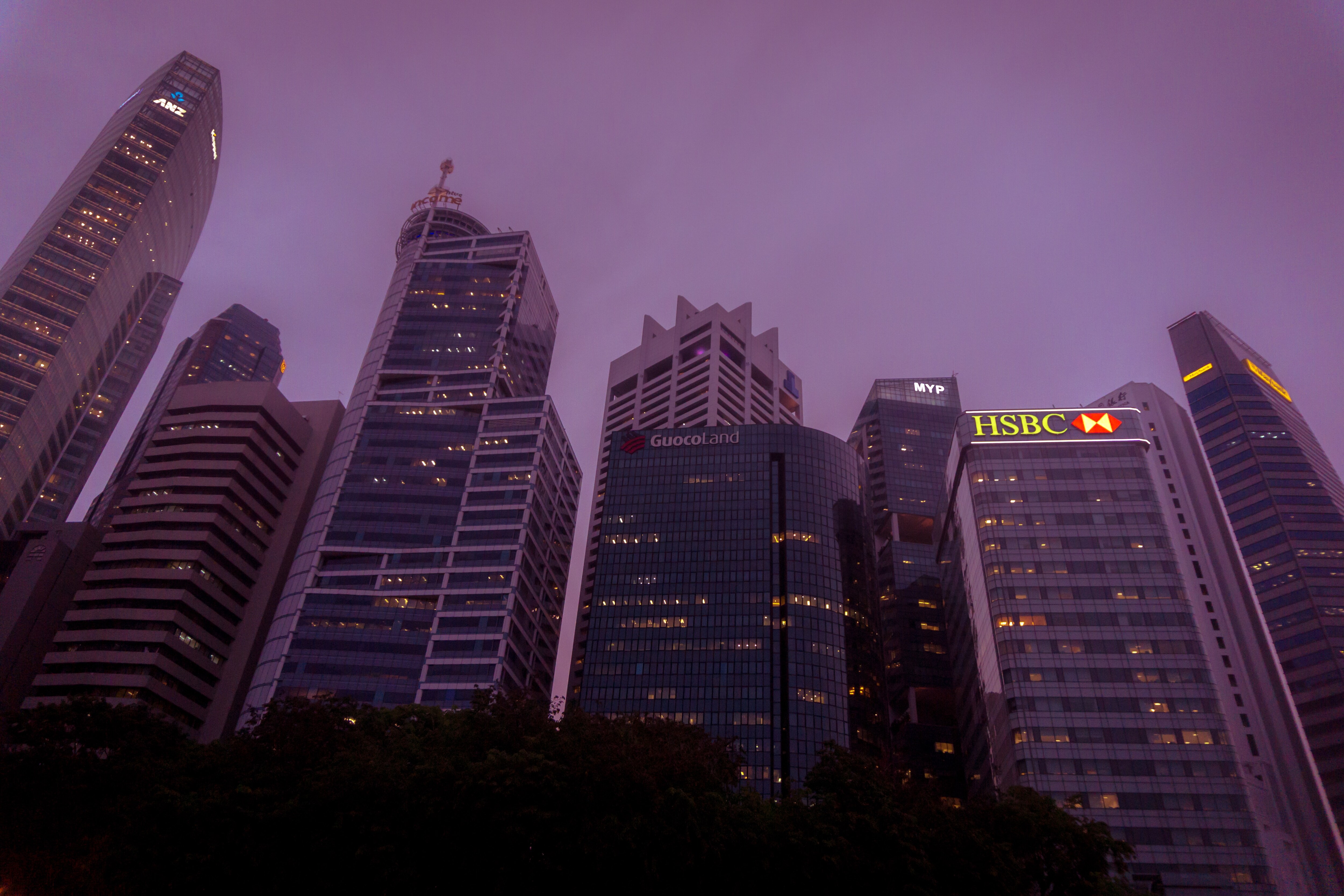
(Bloomberg) -- HSBC Holdings Plc is in talks to sell its Russia unit to local lender Expobank, according to two people with knowledge of the discussions.
The talks on a deal are at an advanced stage, said the people, who asked not to be identified because the information isn't public and no agreement is assured. Spokespeople for HSBC and Expobank declined to comment.
A deal would mark another exit of an international lender after the Kremlin-ordered invasion of Ukraine. Societe Generale SA agreed to sell its Rosbank PJSC unit to the investment firm of Russia's richest man, Vladimir Potanin, taking a roughly 3 billion-euro hit on the deal. Wall Street firms including Goldman Sachs Group Inc. and JPMorgan Chase & Co. said in March they would wind down operations there.
London-based HSBC exited retail banking in Russia several years ago and now primarily serves corporate clients. The unit's total assets stood at 89.9 billion rubles ($1.4 billion) as of June 2021, when it employed 249 people.
HSBC said in April it wasn't accepting new business or customers at its Russia unit, but that it wouldn't fully withdraw from the nation as it had a responsibility to its multinational corporate clients. The bank took a $250 million charge in the first quarter related to Russian counterparties.
Expobank, owned by Russian entrepreneur Igor Kim, has offices in over 50 Russian cities and covers corporate and retail banking and other financial segments. Neither the bank nor its owner are sanctioned.
Other international banks are weighing their futures in Russia. Austria's Raiffeisen Bank International AG has said it's considering a sale, as well as alternatives that could see it retain ownership. UniCredit SpA is considering selling its Russian unit through a structure that would allow the bank to repurchase the subsidiary if the geopolitical situation stabilizes, people familiar with the matter said this week.
More stories like this are available on bloomberg.com
©2022 Bloomberg L.P.

-
A New Samvat Wishlist: Inclusive Prosperity And Human Development

India has strengthened its economic foundations through infrastructure, digital access and enterprise. Its next growth chapter must deepen productivity, create better livelihoods and widen participation in prosperity.
-
Love, Sex Aur Dhokha: The Audacious Plot To Spy On Jensen Huang
A Taipei dinner, a Singapore chip buyer and a suspected Chinese asset: inside the alleged spy operation that got close to NVIDIA's Jensen Huang.
-
Ten Things I Learnt This Samvat
Patience can be a trap. Cheap stocks can stay cheap. Leverage can wipe you out. What did Samvat 2082 teach us? Niraj Shah writes on 10 lessons from the year gone by.
-
Talking Points This Week: Tech Nerves, FII Buying, And A Faraway Banking Shock
The global markets are not shining this Diwali. The exception in the large markets is, India.
-
Midterm Rally Lasted A Day. The Hard Reality Of A Divided US May Last Two Years | Opinion
Between a contested AI boom, a debt ceiling that arrives in 2027 and a president with every incentive to act alone, the next two years may prove more volatile than the first day's rally suggests.
-
Blue Wave Will Derail the AI Trade but Won't Dismantle the AI Era | Unhedged Position
The Democrats' sweep of the US Congress will see politics collide with economic forces both over the long and short term.
-
It's Time To Take The GST Council's Bet On Trust Global
Payment records can prove India's services exports, and clear, proportionate rules can bring foreign digital sellers into the tax net.
-
Opinion | India at 38: From Innovation Overperformer to Innovation Powerhouse
India now has 453 VC-backed deep science startups, 18 of them late-stage, after 117 percent growth since 2020. Laurus Labs, at USD 9.3 billion, is the most valuable deep science company in any middle-income economy outside China.
-
Navigating Energy Crossroads: S Jaishankar's Call For Diversified Supply Chains At G20 Ministerial Meeting
As geopolitical fault lines continue to test maritime trade routes and commodity flows, Jaishankar's message remains pertinent: true economic resilience requires open markets, protected transit lines, and a genuine commitment to multilateral cooperation rather than coercion.









