How Credit Cards Can Make Or Break Your Credit Profile
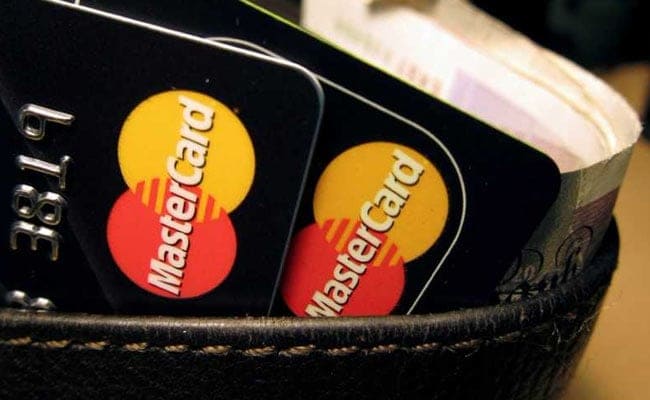
Young Indians often use credit cards to splurge on non-essential items. A costly smartphone, a stylish branded watch and other items that may not be necessary but are desirable are often bought by many people via credit cards. These days, many lenders not only provide life-time free credit cards but also offer attractive cashbacks and discounts, to encourage customers to make purchases via credit cards. However, people who often use credit cards must ensure that they maintain a good credit profile, else it may affect their loan approvals in future.
What is a credit profile?
A credit profile describes your credit history for lenders. Simply put, a credit profile assesses how you have been paying back any loans that you took in the past. Credit profiles are reported by credit rating agencies. Such agencies basically track your loan history, based on how much loan you availed from a lender, what type of credit you use, the length of your loan and, most importantly, whether you paid back your loan on time.
(Also Read: 7 Credit Card Charges You Must Know About)
Why is a good credit profile important for credit cards?
Credit cards can help an individual either build or mar his or her credit profile, say experts.
"If used wisely, a credit card can be a very strong instrument to build up one's credit score. For this, the user needs to be well-aware of the date of payment of the credit availed. Not defaulting on any dues is absolutely crucial to build up a strong credit profile. This can come in handy when applying for other loans. Conversely, a seemingly routine default, even if paid back with interest, can mar one's credit profile," said Professor Rajiv Shah, TA Pai Management Institute.
A credit card provides you with an option to avail short-term credit, which can be used in case of any emergency. A judicious use of credit cards is very important for maintaining a good credit score. If you do not need to necessarily buy something via a credit card, do not buy it. For example, you can delay purchase of an item not needed on an urgent basis, and pay in cash instead of credit. However, if you do necessarily wish to buy it immediately, make sure that you either pay back the money to your bank on time, or pay the instalments regularly to boost your credit profile.
"If you have money already budgeted for an expense, then using a credit card for it and paying it in full at the end of the grace period is the best strategy," said Rahul Agarwal, Director Wealth Discovery/EZ Wealth. Do not maintain a high balance on your credit card as it will eventually lead to a debt trap, he added.

-
Talking Points This Week: Tech Nerves, FII Buying, And A Faraway Banking Shock

The global markets are not shining this Diwali. The exception in the large markets is, India.
-
Midterm Rally Lasted A Day. The Hard Reality Of A Divided US May Last Two Years | Opinion
Between a contested AI boom, a debt ceiling that arrives in 2027 and a president with every incentive to act alone, the next two years may prove more volatile than the first day's rally suggests.
-
Blue Wave Will Derail the AI Trade but Won't Dismantle the AI Era | Unhedged Position
The Democrats' sweep of the US Congress will see politics collide with economic forces both over the long and short term.
-
It's Time To Take The GST Council's Bet On Trust Global
Payment records can prove India's services exports, and clear, proportionate rules can bring foreign digital sellers into the tax net.
-
Opinion | India at 38: From Innovation Overperformer to Innovation Powerhouse
India now has 453 VC-backed deep science startups, 18 of them late-stage, after 117 percent growth since 2020. Laurus Labs, at USD 9.3 billion, is the most valuable deep science company in any middle-income economy outside China.
-
Navigating Energy Crossroads: S Jaishankar's Call For Diversified Supply Chains At G20 Ministerial Meeting
As geopolitical fault lines continue to test maritime trade routes and commodity flows, Jaishankar's message remains pertinent: true economic resilience requires open markets, protected transit lines, and a genuine commitment to multilateral cooperation rather than coercion.
-
Indians Are Travelling, But Not Every Journey Is A Holiday | The Week In Whys
Pilgrims, patients and working women are the real travellers, and the system hasn't quite caught up with them.
-
Getting To Work Costs Women More | The Reason Why
It is not just about women paying more than men. It is about women paying much more in cities than in villages.
-
AI Bias In Investing Cannot Be Eliminated, But It Can Be Governed
Framing is a particularly important example as identical financial information presented in terms of gains rather than losses can lead an LLM to reach a different assessment.









