Hitachi Owns Up To Mid-2016 Breach That Compromised 32 Lakh Debit Cards
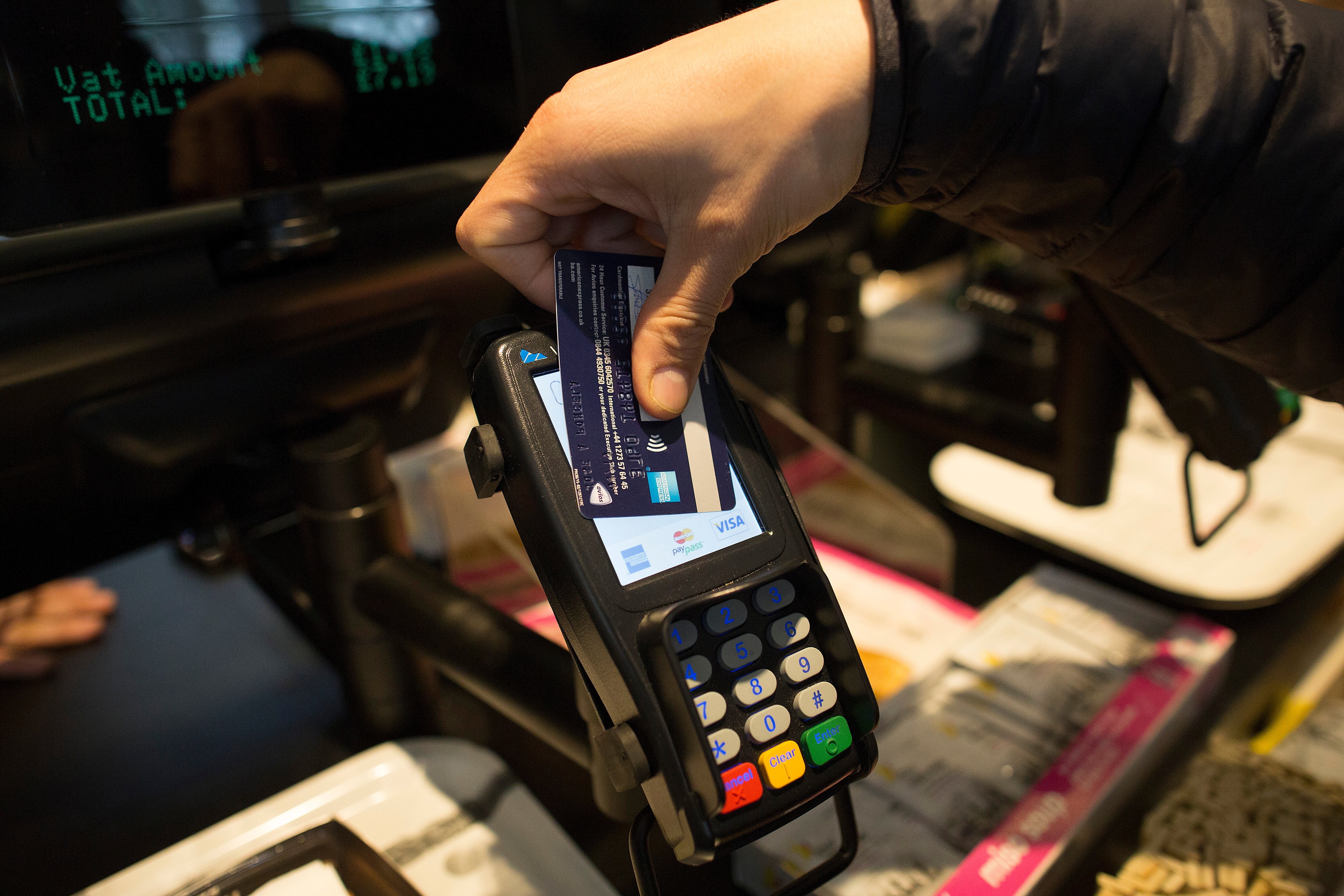
Hitachi Payment Services, a payment switch provider, has admitted that a sophisticated malware injected into its network led to the massive debit card breach between May and July of 2016 that resulted in the loss of information on over 32 lakh cards
The company is the wholly-owned subsidiary of Japan's Hitachi Ltd. A payment switch provider is an entity that facilitates a transaction either from an ATM or an online payment gateway. The service provider decides to whom the request for authorisation will be sent and then transmits the request back to the merchant or the ATM where the transaction originated.
SISA Information Security, an information security audit firm based in Bengaluru had been tasked with the forensic audit of Hitachi Payment's systems.
SISA Information Security Pvt. Ltd. has completed itsfinal assessment report, on the reported breach of security protocols which led to thepotential compromise of debit cards between May 21 2016 to July 11 2016. SISA'sreport pointed out to a sophisticated injection of malware in the Hitachi Payment Services' systems, which was able tocompromise the details of these debit cards.Hitachi Payment Systems Statement
The debit card breach first came to light when State Bank of India blocked over 6 lakh debit cards on October 14 as a preventive measure on learning that the details of these cards could have been compromised.
Hitachi said that while the behaviour of the malware and the extent of its penetration into the network was discovered, the extent of the data that was stolen between May and July could not be ascertained.
A malware is a malicious software code, that generally remains undetected for long periods of time within a network.
Also Read: Debit Card Breach: The No Disclosure Regime
The National Payments Corporation of India (NPCI), in a statement in October, had said that fraudulent withdrawals that followed the breach of information was limited to 19 banks and 641 customers. The amount reported by various banks to the NPCI was a total of Rs 1.3 crore.
Loney Antony, Hitachi Payment System's managing director said in a media statement that the breach took place despite the company adopting the standards of internationally accepted best practices in the business.
“Hitachi Payment Services regrets the inconvenience caused to banks and its customers due to this lapse in its security infrastructure. We assure you of our highest commitment to building a robust infrastructure in our systems and preventing such cyber frauds in future,” he said.
Also Read: India's Biggest Debit Card Breach: How Prepared Are Banks?

-
High US Salaries, No Green Card Certainty: The Financial Calculation Facing Indian H-1B Families

The suspension of PERM processing at eight technology employers does not cancel existing H-1B visas. What it does is force a question many Indian families have been avoiding: is the US salary worth tying your career and family plans to one employer?
-
Unhedged Position: Can India See An Indonesia-Style Time Correction?
The Nifty is trading below levels it first clocked in 2024. Is there, then, as I have suggested in the headline, potential that the current time correction drags on painfully for the next three-five, even ten years?
-
Navigating Friction And Energy Realities: An Analysis Of Marco Rubio's October Visit To India
Occurring at a critical juncture marked by stalled trade negotiations and escalating geopolitical pressures over global energy supplies, the visit offers a profound window into modern US-India relations.
-
India Exports Capital. Why Not Export Trusteeship?
The big question, then, is whether India can build an institution that global borrowers, investors, banks, and lawyers can trust, even without an Indian connection.
-
France's Economy & Politics Are In Crisis | The Reason Why
Let's look at how the French economy and politics evolved under Nicolas Sarkozy, Franois Hollande and Emmanuel Macron.
-
You May Inherit The Business. You Must Earn Its Credibility.
Succession tests the founder's ability to share authority as much as it tests the next generation's readiness to assume it.
-
Signing Deals Is One Thing; Making Them Work Is Another | The Week In Whys
Sometimes, things don't turn out as planned. Indian companies have lost some bids to rivals, some projects won't produce until 2030.
-
FOMC Wall, PERM Suspension, Hospital Stocks | Talking Points This Week
A PERM suspension would directly affect green-card sponsorship rather than H-1B visas, so the near-term earnings impact could remain relatively limited. The key question is whether this marks a new phase in US scrutiny of Indian IT.
-
Everything, Everywhere, All At Once: Dalal Street's Week To Forget | Joining The Dots
Visa curbs, a Starlink spat and cancer drug caps: what connects this week's shocks for Indian markets
-
India Is Going Abroad For Critical Minerals. But It May Take Years To Pay Off | The Reason Why
Although India's steps are in the right direction, they remain modest compared with India's growing dependence.









