Hitachi Insight Group Eyeing Smart City Projects In India
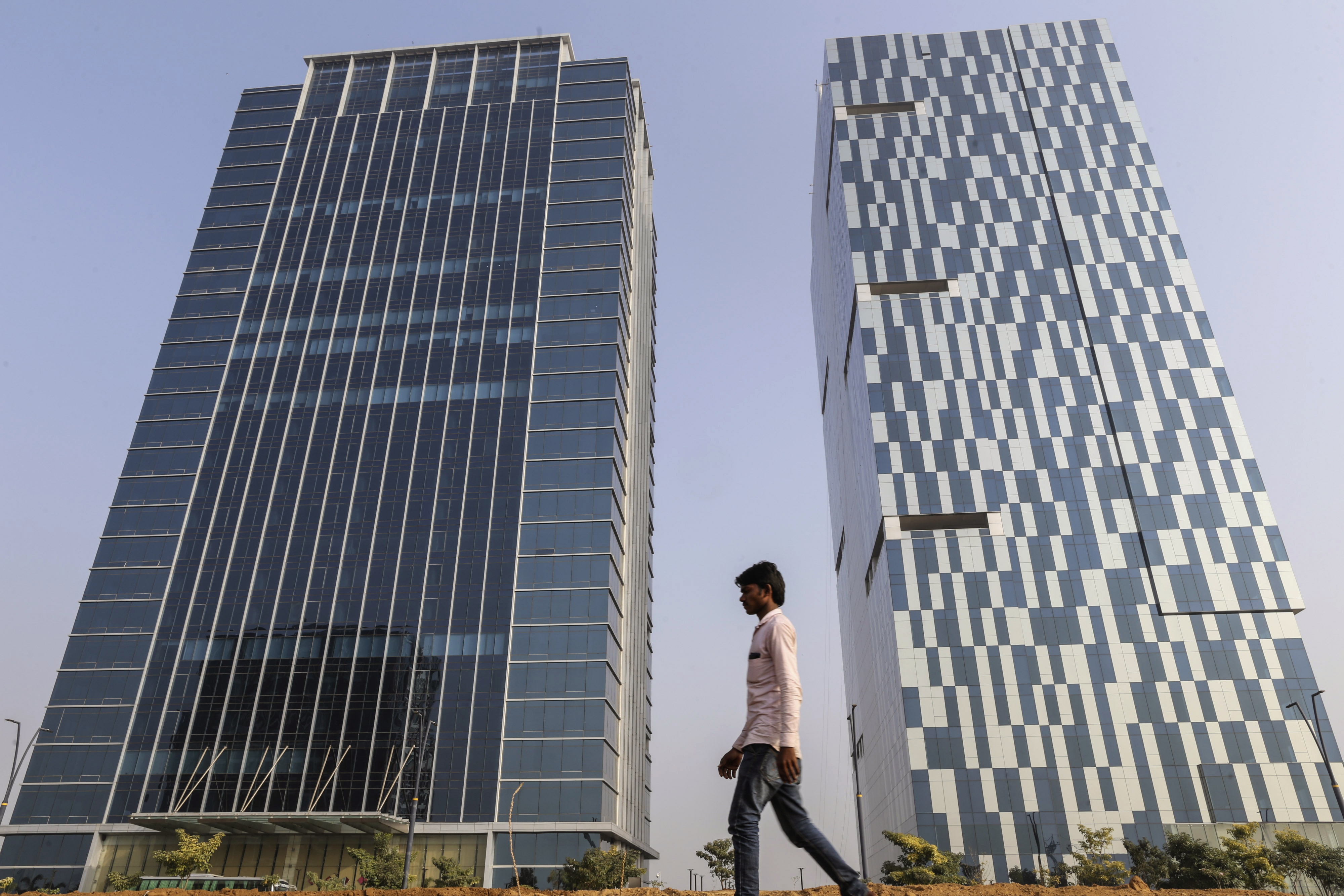
Hitachi Insight Group is looking into investing in India's ambitious Rs 98,000-crore smart city mission. The government plans to have 100 smart cities by 2022. Of these, 60 cities have been chosen so far and the rest will be announced by June.
The U.S.-based company, which is into digital and Internet of Things (IoT) solutions and services businesses, is hoping to bag a number of projects to increase their market in the country.
The company is in talks with the state governments to work for smart cities on different solutions with local partners, Justin Bean, director of Smart City Solutions Marketing told Bloomberg Quint in an interview. Although he did not divulge the financial details of the company's investments in India, he said that the county is of high priority for Hitachi.
Here are the edited excerpts:
Which are the states in India where you are looking to launch smart city initiatives?
We are looking at cities and states throughout the country. Unfortunately, I can't name the cities we are working in. We are working on some energy optimization projects and windmill firms. We had signed a memorandum of understanding with CII (Confederation of Indian Industries) to start smart city pilot projects in different cities. We are also working with Navi Mumbai to deliver a train system of over 110 km in the region.
How much have you invested with the government for the smart cities project?
We have invested in a lot of resources in developing these kinds of projects in India. India is a high priority country for us. It is doing a lot of exciting work in building political momentum, gathering resources and the expertise people needed to deliver on smart cities which are a very complex undertaking.
What sort of investments are you looking at to tap the information technology market in India? Are there any expansion plans?
Hitachi has invested in India for sometime already, and we are continuing to invest more and more resources in India. Its a big opportunity for us as a company to provide value to cities, communities in India. Hitachi is driven at pervasive corporate level of social innovation, technology and leveraging products and services that we deliver in order to improve the society.
Most of the cities here don't have good internet connectivity which a smart city should have. Do you think India has necessary infrastructure to develop smart cities?
I will answer it in a different way. What we need to do is understand what is needed in that city and in that community. For some, its going to be a smart village where they need clean water to prevent parasites from infecting children.
Energy resilience is going to be needed in a lot of these places to build core foundation of parks. In other places, its going to be about making children and people safe. These are the things which we miss but we don't really feel them if we have them.
They are the foundations for building a smart city. In other areas, we have to build wireless networks that will allow connectivity to censors, video cameras and different systems we use to build smart cities.
How important it is to embrace cloud technology by Indian companies?
They should embrace the technology that helps them to deliver value to the citizens and governments. A lot of times, when we talk about smart cities, people only think about government aspects. We need to have a holistic approach to smart cities that helps develop inclusive smart cities.
The government is giving a major push to digital economy. Where do you think India is heading?
It seems that the trend of India in my humble of observations is largely rural. Only 18 percent of people lived in cities in 1960 and 33 percent live in cities now which is a rapid growth in urbanization.
I believe that trend is going to continue. There is a lot of skill development and new technologies coming. Investing in the right areas of skill development will make India successful in the future. India is investing in tomorrow.

-
High US Salaries, No Green Card Certainty: The Financial Calculation Facing Indian H-1B Families

The suspension of PERM processing at eight technology employers does not cancel existing H-1B visas. What it does is force a question many Indian families have been avoiding: is the US salary worth tying your career and family plans to one employer?
-
Unhedged Position: Can India See An Indonesia-Style Time Correction?
The Nifty is trading below levels it first clocked in 2024. Is there, then, as I have suggested in the headline, potential that the current time correction drags on painfully for the next three-five, even ten years?
-
Navigating Friction And Energy Realities: An Analysis Of Marco Rubio's October Visit To India
Occurring at a critical juncture marked by stalled trade negotiations and escalating geopolitical pressures over global energy supplies, the visit offers a profound window into modern US-India relations.
-
India Exports Capital. Why Not Export Trusteeship?
The big question, then, is whether India can build an institution that global borrowers, investors, banks, and lawyers can trust, even without an Indian connection.
-
France's Economy & Politics Are In Crisis | The Reason Why
Let's look at how the French economy and politics evolved under Nicolas Sarkozy, Franois Hollande and Emmanuel Macron.
-
You May Inherit The Business. You Must Earn Its Credibility.
Succession tests the founder's ability to share authority as much as it tests the next generation's readiness to assume it.
-
Signing Deals Is One Thing; Making Them Work Is Another | The Week In Whys
Sometimes, things don't turn out as planned. Indian companies have lost some bids to rivals, some projects won't produce until 2030.
-
FOMC Wall, PERM Suspension, Hospital Stocks | Talking Points This Week
A PERM suspension would directly affect green-card sponsorship rather than H-1B visas, so the near-term earnings impact could remain relatively limited. The key question is whether this marks a new phase in US scrutiny of Indian IT.
-
Everything, Everywhere, All At Once: Dalal Street's Week To Forget | Joining The Dots
Visa curbs, a Starlink spat and cancer drug caps: what connects this week's shocks for Indian markets
-
India Is Going Abroad For Critical Minerals. But It May Take Years To Pay Off | The Reason Why
Although India's steps are in the right direction, they remain modest compared with India's growing dependence.









