Having blunt conversation with India, China on Iranian oil: US
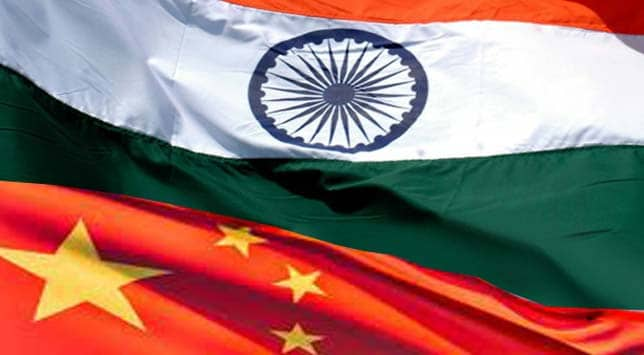
The United States is having "very intense and very blunt" conversations with India, China and Turkey on reducing their dependence on Iranian oil, the Secretary of State Hillary Clinton has told lawmakers.
Clinton, testifying before a Congressional committee yesterday, said the US is asking these countries to take specific measures that would reduce their dependence on Iranian oil adding. But, without naming one, she did acknowledge that this would be a bit tough for some countries.
"With respect to China and Turkey and India, we've had very intense and very blunt conversations with each of those countries. I think that there are a number of steps that we are pointing out to them that we believe they can and should make," Clinton said while responding to questions from Senator Robert Menendez.
"In a number of cases, both on their government side and on their business side, they are taking actions that go further and deeper than perhaps their public statements might lead you to believe," Clinton said.
"We are going to continue to keep an absolute foot on the pedal in terms of our accelerated, aggressive outreach to them. And they are looking for ways to make up the lost revenues, the lost crude oil," she said.
Claiming that oil deficit is a difficulty for several other countries, Clinton said US has come up with lots of suggestions that would help these countries in resolving the crisis.
"Our expectation and the direction we are giving to countries is that we do expect to see significant reductions. I am pleased to report, Senator, that we've been aggressively reaching out to and working with countries to assist them in being able to make such significant reductions," Clinton said.
Earlier in the day, testifying before the State, Foreign Operations and Related Programs Subcommittee of the Senate Appropriations Committee, Clinton told Senators the US is aggressively pursuing sanctions against Iran.
"We are implementing the new Iran sanctions aggressively. The (US) President issued an executive order on February 6th that blocks assets under US jurisdiction of all Iranian banks; also makes it clear that both the Departments of Treasury and State are expected to enforce the sanctions absolutely," she said.
"We have been travelling the world, high-level teams from Treasury, Energy and State, to explain what the sanctions are to counterparts around the world. We're very frank in these discussions about the requirements of US law," the US leader said.
Meanwhile, a broad range of countries are making decisions to reduce their dependence on Iranian crude, unwind their dealings with the central bank of Iran, she said.
"We are also pushing very hard to make it clear that we'll help countries that have a significant dependence on Iranian crude to try to find alternatives. It is something that they have to look for. They can't just stop cold turkey and not have anything fuelling their economies," Clinton said.
While referring to the steps being taken by the European Union and Japan, the Secretary of State said that some of the major oil producers have set forth their willingness to try to make up the difference.
"We've seen increasing difficulty by Iran in importing and exporting products. They cannot purchase third-party liability coverage for their vessels. So we've stopped them from being insured, which means they can't travel," she said.
Clinton added that the Japan, which lost much of their electricity production because of the earthquake and the Fukushima nuclear power plant meltdown, had reduced their imports from Iran in the range of 15 to 20 per cent since last year and is looking for new suppliers.

-
Midterm Rally Lasted A Day. The Hard Reality Of A Divided US May Last Two Years | Opinion

Between a contested AI boom, a debt ceiling that arrives in 2027 and a president with every incentive to act alone, the next two years may prove more volatile than the first day's rally suggests.
-
Blue Wave Will Derail the AI Trade but Won't Dismantle the AI Era | Unhedged Position
The Democrats' sweep of the US Congress will see politics collide with economic forces both over the long and short term.
-
It's Time To Take The GST Council's Bet On Trust Global
Payment records can prove India's services exports, and clear, proportionate rules can bring foreign digital sellers into the tax net.
-
Opinion | India at 38: From Innovation Overperformer to Innovation Powerhouse
India now has 453 VC-backed deep science startups, 18 of them late-stage, after 117 percent growth since 2020. Laurus Labs, at USD 9.3 billion, is the most valuable deep science company in any middle-income economy outside China.
-
Navigating Energy Crossroads: S Jaishankar's Call For Diversified Supply Chains At G20 Ministerial Meeting
As geopolitical fault lines continue to test maritime trade routes and commodity flows, Jaishankar's message remains pertinent: true economic resilience requires open markets, protected transit lines, and a genuine commitment to multilateral cooperation rather than coercion.
-
Indians Are Travelling, But Not Every Journey Is A Holiday | The Week In Whys
Pilgrims, patients and working women are the real travellers, and the system hasn't quite caught up with them.
-
Getting To Work Costs Women More | The Reason Why
It is not just about women paying more than men. It is about women paying much more in cities than in villages.
-
AI Bias In Investing Cannot Be Eliminated, But It Can Be Governed
Framing is a particularly important example as identical financial information presented in terms of gains rather than losses can lead an LLM to reach a different assessment.
-
Joining The Dots | Dark Skies, Steady Diya: Why Hope Holds This Diwali
With war, a weak rupee and foreign outflows weighing on sentiment, policymakers at the NDTV World Summit and market veterans at NDTV Profit Ignite: Diwali Edition offered the same advice: stay invested and filter out the noise.









