GST Collection For February At All-Time High
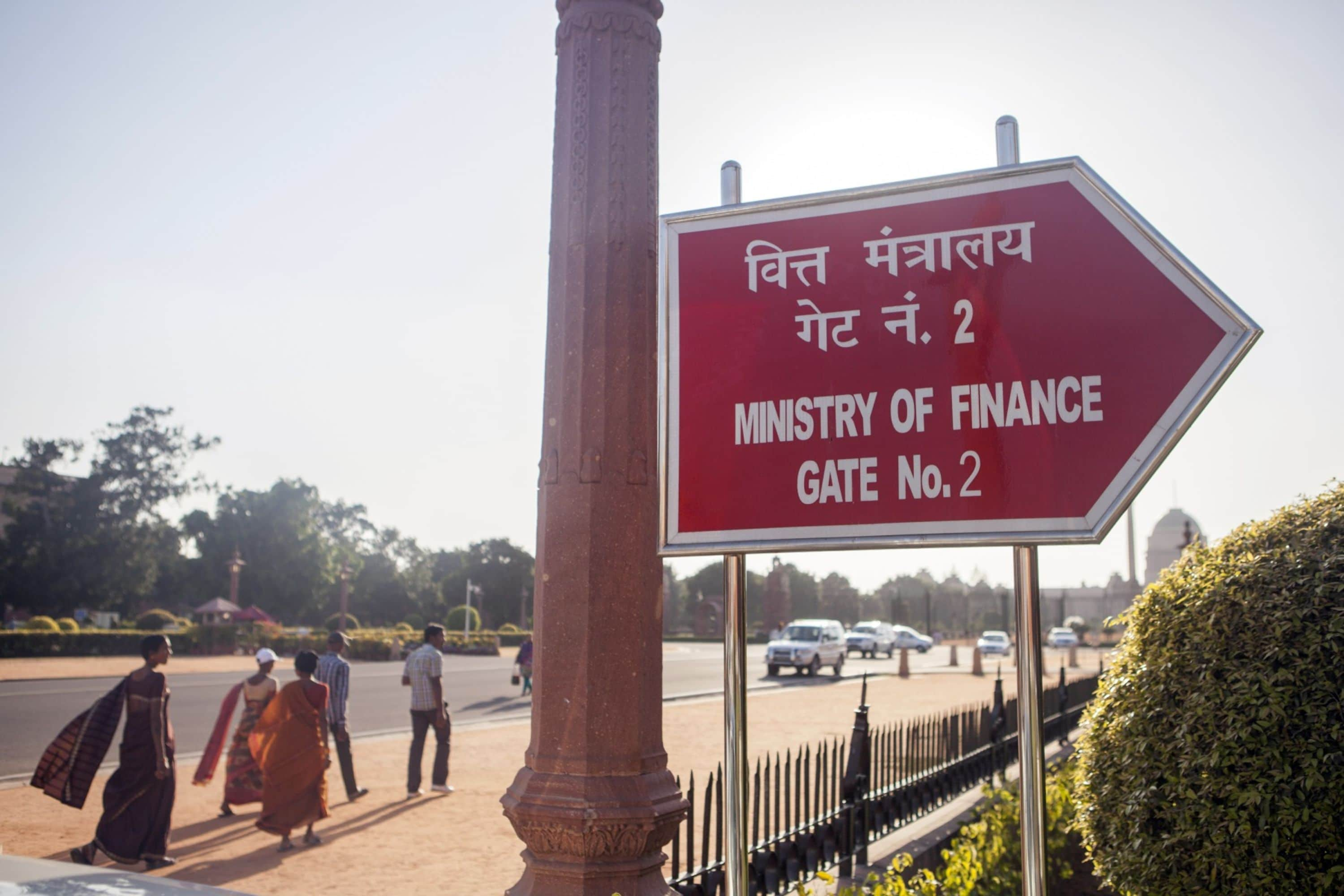
The government's goods and service tax revenue collection for February surged to a record.
The GST revenue for February (collected in March) stood at a little over Rs 1.42 lakh crore, according to a statement by the Finance Ministry.
The month's revenue collections are 15% higher than a year earlier and 46% higher than the GST revenues collected for February in March 2020.
The collection in March 2022 (for February) is an all-time high, breaching earlier record of Rs 1.41 crore collected in January 2022.
Break-Up Of GST Collections
Central GST: Rs 25,830 crore.
State GST: Rs 32,378 crore.
Integrated GST: Rs 74,470 crore, including Rs 39,131 crore collected on import of goods.
Cess: Rs 9,417 crore, including Rs 981 crore collected on import of goods.
"The average monthly gross GST collection for the last quarter of FY2021-22 has been Rs 1.38 lakh crore against the average monthly collection of Rs 1.10 lakh crore, Rs 1.15 lakh crore and Rs 1.30 lakh crore in the first, second and third quarters, respectively, " the statement said.
Economic recovery, anti-evasion activities, particularly against fake billers, rate rationalisation measures to correct inverted duty structure on items are credited for the higher GST collections. Measures on GST slab rate rationalisation are expected to tabled in the next council meeting.
Also, revenue from import of goods was recorded 25% higher and revenue from domestic transaction (including import of services) were 11% higher than the corresponding period last year.
Mobility, evidenced by the number of e-way bills generated in the month, stood at 6.91 crore.
Despite being a shorter month, the figure is more than that of January 2022 (6.88 crore), indicating recovery of business activity at faster pace, the statement said.
Inter state variation adds to compensation worries
State-wise, collections rose the most in Odisha at 26% year-on-year to Rs 4,125 crore. GST collections for March remained above 15% for Maharashtra (19%), Andhra Pradesh (18%), Haryana (17%) and Punjab (15%).
Devendra Pant, chief economist and head public finance at India Ratings, said the variation in inter-state collection adds more merit to the state's demand on continuation of GST compensation.
For states such as West Bengal, Jharkhand, Chhattisgarh, Madhya Pradesh, Tamil Nadu, Telangana, Rajasthan and Uttar Pradesh, growth was less than 10%. This suggests inter-state variation in consumption and investment growth and provides more support to state's demand for continuation of GST compensation beyond five years.Devendra Pant, Chief Economist and Head Public Finance at India Ratings
Compensation cess to states ends by July 2022. But the GST compensation cess would be levied till 2025-26. The amount so collected would be used to repay the loans taken by the centre to provide GST compensation to the states during the pandemic years of 2019-20 and 2020-21.

-
Talking Points This Week: Tech Nerves, FII Buying, And A Faraway Banking Shock

The global markets are not shining this Diwali. The exception in the large markets is, India.
-
Midterm Rally Lasted A Day. The Hard Reality Of A Divided US May Last Two Years | Opinion
Between a contested AI boom, a debt ceiling that arrives in 2027 and a president with every incentive to act alone, the next two years may prove more volatile than the first day's rally suggests.
-
Blue Wave Will Derail the AI Trade but Won't Dismantle the AI Era | Unhedged Position
The Democrats' sweep of the US Congress will see politics collide with economic forces both over the long and short term.
-
It's Time To Take The GST Council's Bet On Trust Global
Payment records can prove India's services exports, and clear, proportionate rules can bring foreign digital sellers into the tax net.
-
Opinion | India at 38: From Innovation Overperformer to Innovation Powerhouse
India now has 453 VC-backed deep science startups, 18 of them late-stage, after 117 percent growth since 2020. Laurus Labs, at USD 9.3 billion, is the most valuable deep science company in any middle-income economy outside China.
-
Navigating Energy Crossroads: S Jaishankar's Call For Diversified Supply Chains At G20 Ministerial Meeting
As geopolitical fault lines continue to test maritime trade routes and commodity flows, Jaishankar's message remains pertinent: true economic resilience requires open markets, protected transit lines, and a genuine commitment to multilateral cooperation rather than coercion.
-
Indians Are Travelling, But Not Every Journey Is A Holiday | The Week In Whys
Pilgrims, patients and working women are the real travellers, and the system hasn't quite caught up with them.
-
Getting To Work Costs Women More | The Reason Why
It is not just about women paying more than men. It is about women paying much more in cities than in villages.
-
AI Bias In Investing Cannot Be Eliminated, But It Can Be Governed
Framing is a particularly important example as identical financial information presented in terms of gains rather than losses can lead an LLM to reach a different assessment.









