Green Economy Push: Germany Commits Over Rs 13,000-Crore Investment In India
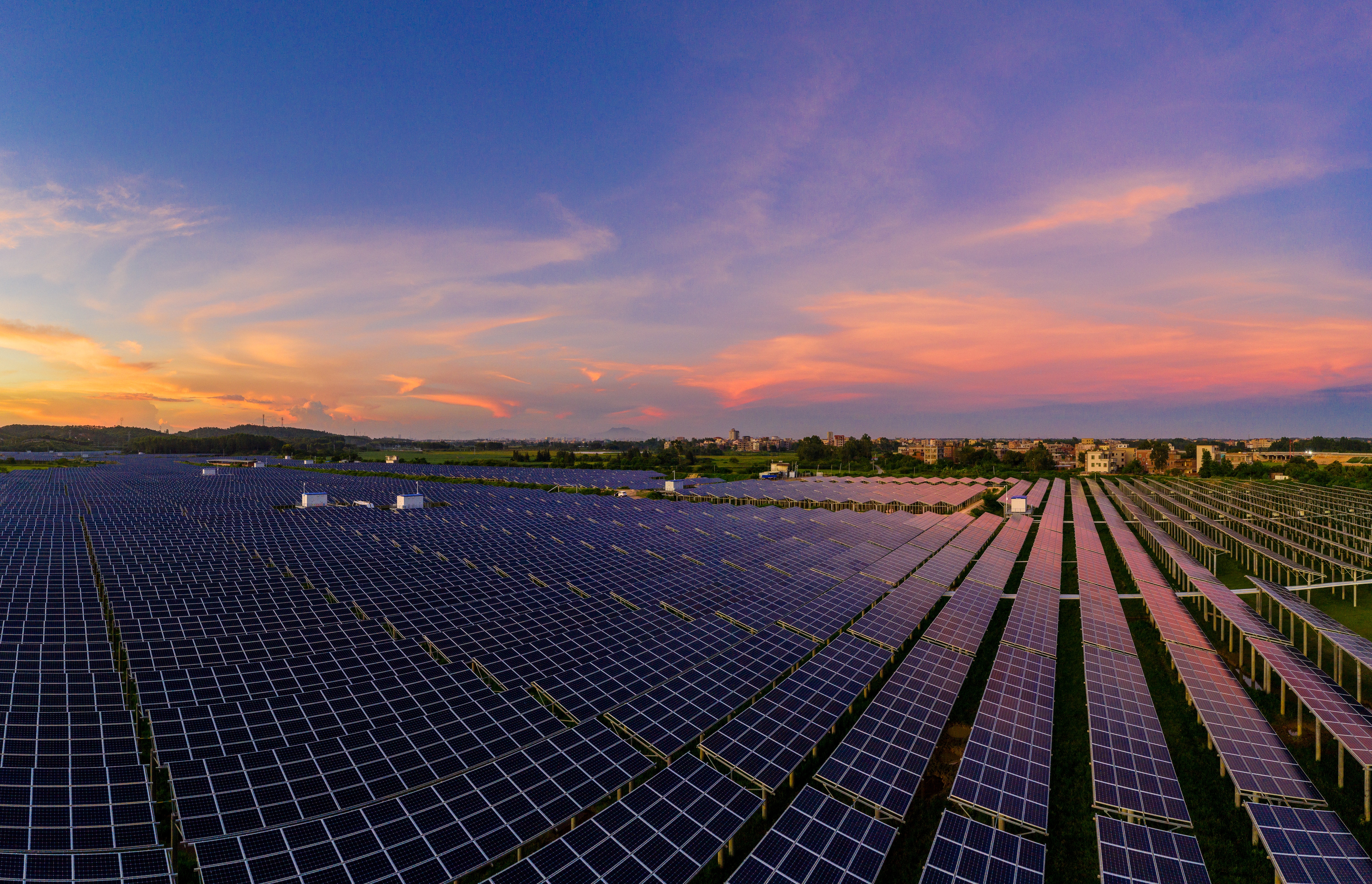
Germany has made investment commitments worth EUR 1.3 billion, or approximately Rs 13,650 crore in India, as part of the Green and Sustainable Development Partnership (GSDP) between the two countries, according to a release issued by the German Embassy in New Delhi.
Germany's green commitments include concessional loans across the key areas of climate and energy, sustainable urban development, green urban mobility, and sustainable management of natural resources.
Further, as part of GSDP bilateral cooperation, skills development particularly for the renewable energy sector will be strengthened.
The partnership will also focus on advance climate mitigation and adaptation; strengthening clean and secure energy systems; expanding sustainable and inclusive urban mobility; and enhancing the sustainable management of natural ecosystems.
"India remains a major strategic partner country, also under the new German government. I am delighted to continue our trustful development cooperation- under the umbrella of GSDP, guiding our commitment to the bilateral cooperation," Christine Toetzke, director general for Asia, Latin America, Middle East, Eastern/South Eastern Europe at the German Federal Ministry for Economic Cooperation and Development stated, while commenting on the pact.
She added that Germany and India will jointly follow the path to sustainable prosperity and overcome global challenges with the projects that have been committed as part of the partnership.
Further, German Ambassador to India and Bhutan Philipp Ackermann emphasised about the unique nature of the GSDP cooperation between the two countries and said, "Germany has no partnership quite like the GSDP with any other country (apart from India), its scale, its ambition, and its spirit of equal collaboration make it truly unique."
Other initiatives under the 'Indo-German Green Urban Mobility Partnership for All' include:
Yellow Line Metro in Bangalore: Supported by a €340 million KfW loan, creating 25,000 jobs and reducing emissions.
Living Lab in Bangalore: Demonstrates climate-smart innovation with partners like Bosch and Nunam.
India's first rooftop solar-powered EV charging station: Scaled from Bangalore to Surat for public e-bus fleets.
Accessibility innovations like OnBoard (IIT Delhi) and RampMyCity underline inclusivity.
About GSDP
The Indo-German Partnership for Green and Sustainable Development or GSDP, launched in 2022, is a strategic cooperation framework supporting sustainable and climate-aligned development. The partnership advances solutions that contribute to the Sustainable Development Goals and the goals of the Paris Agreement.

-
Talking Points This Week: Tech Nerves, FII Buying, And A Faraway Banking Shock

The global markets are not shining this Diwali. The exception in the large markets is, India.
-
Midterm Rally Lasted A Day. The Hard Reality Of A Divided US May Last Two Years | Opinion
Between a contested AI boom, a debt ceiling that arrives in 2027 and a president with every incentive to act alone, the next two years may prove more volatile than the first day's rally suggests.
-
Blue Wave Will Derail the AI Trade but Won't Dismantle the AI Era | Unhedged Position
The Democrats' sweep of the US Congress will see politics collide with economic forces both over the long and short term.
-
It's Time To Take The GST Council's Bet On Trust Global
Payment records can prove India's services exports, and clear, proportionate rules can bring foreign digital sellers into the tax net.
-
Opinion | India at 38: From Innovation Overperformer to Innovation Powerhouse
India now has 453 VC-backed deep science startups, 18 of them late-stage, after 117 percent growth since 2020. Laurus Labs, at USD 9.3 billion, is the most valuable deep science company in any middle-income economy outside China.
-
Navigating Energy Crossroads: S Jaishankar's Call For Diversified Supply Chains At G20 Ministerial Meeting
As geopolitical fault lines continue to test maritime trade routes and commodity flows, Jaishankar's message remains pertinent: true economic resilience requires open markets, protected transit lines, and a genuine commitment to multilateral cooperation rather than coercion.
-
Indians Are Travelling, But Not Every Journey Is A Holiday | The Week In Whys
Pilgrims, patients and working women are the real travellers, and the system hasn't quite caught up with them.
-
Getting To Work Costs Women More | The Reason Why
It is not just about women paying more than men. It is about women paying much more in cities than in villages.
-
AI Bias In Investing Cannot Be Eliminated, But It Can Be Governed
Framing is a particularly important example as identical financial information presented in terms of gains rather than losses can lead an LLM to reach a different assessment.









