Government To Infuse Rs 48,239 Crore In 12 State-Run Banks
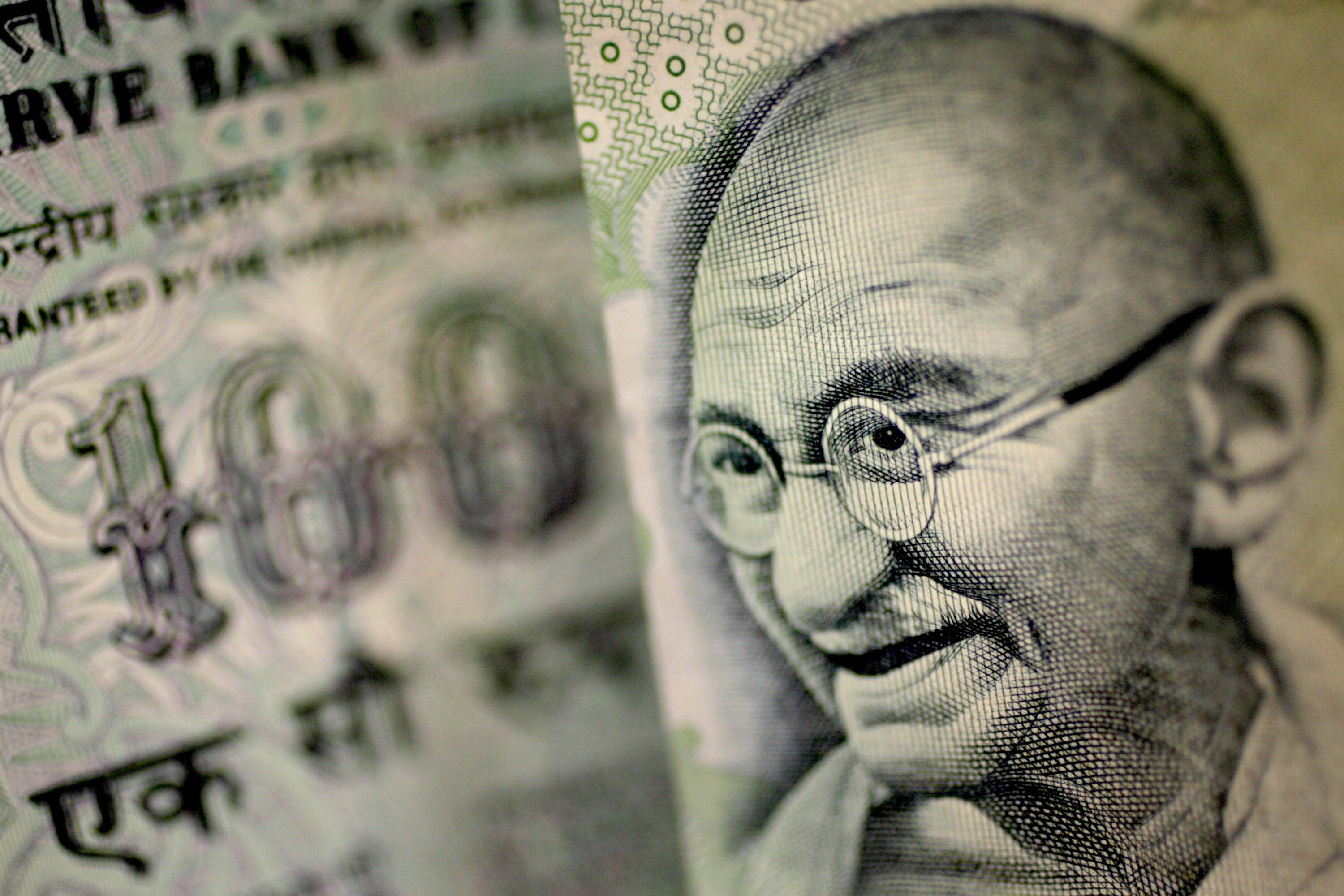
The government will infuse Rs 48,239 crore in 12 public-sector banks to provide minimum regulatory capital to banks that come under Reserve Bank of India's prompt corrective action framework, and to prevent weak banks from breaching the framework's triggers.
With this, the government has infused Rs 1 lakh crore in public-sector banks in this financial year.
The capital infusion will:
- Help Allahabad Bank and Corporation Bank—two of the better performing banks under PCA—meet the required threshold of 7.375 percent of common equity tier-1 ratio, 8.875 percent tier-1 ratio, 10.375 percent capital to risk weighted asset ratio and reduce net non-performing assets below 6 percent.
- Enable Bank of Maharashtra and Bank of India - two of the three public-sector banks that have come out of the PCA framework - meet regulatory requirements.
- Prevent Punjab National Bank, Union Bank of India, Syndicate Bank and Andhra Bank from breaching thresholds of the PCA framework.
- Aid Central Bank of India, United Bank of India, UCO Bank and Indian Overseas Bank to meet minimum regulatory capital norms for CET 1, tier 1 and Capital to risk assets ratio.
After this tranche of capital infusion, Rs 5,000 crore will remain to be infused by the government in public-sector banks for the current financial year.
"It (pending Rs 5,000 crore) may be used for any contingency or for growth capital wherever it's necessary, including amalgamated entity of Bank of Baroda," Department of Financial Services Secretary Rajiv Kumar told reporters.

-
High US Salaries, No Green Card Certainty: The Financial Calculation Facing Indian H-1B Families

The suspension of PERM processing at eight technology employers does not cancel existing H-1B visas. What it does is force a question many Indian families have been avoiding: is the US salary worth tying your career and family plans to one employer?
-
Unhedged Position: Can India See An Indonesia-Style Time Correction?
The Nifty is trading below levels it first clocked in 2024. Is there, then, as I have suggested in the headline, potential that the current time correction drags on painfully for the next three-five, even ten years?
-
Navigating Friction And Energy Realities: An Analysis Of Marco Rubio's October Visit To India
Occurring at a critical juncture marked by stalled trade negotiations and escalating geopolitical pressures over global energy supplies, the visit offers a profound window into modern US-India relations.
-
India Exports Capital. Why Not Export Trusteeship?
The big question, then, is whether India can build an institution that global borrowers, investors, banks, and lawyers can trust, even without an Indian connection.
-
France's Economy & Politics Are In Crisis | The Reason Why
Let's look at how the French economy and politics evolved under Nicolas Sarkozy, Franois Hollande and Emmanuel Macron.
-
You May Inherit The Business. You Must Earn Its Credibility.
Succession tests the founder's ability to share authority as much as it tests the next generation's readiness to assume it.
-
Signing Deals Is One Thing; Making Them Work Is Another | The Week In Whys
Sometimes, things don't turn out as planned. Indian companies have lost some bids to rivals, some projects won't produce until 2030.
-
FOMC Wall, PERM Suspension, Hospital Stocks | Talking Points This Week
A PERM suspension would directly affect green-card sponsorship rather than H-1B visas, so the near-term earnings impact could remain relatively limited. The key question is whether this marks a new phase in US scrutiny of Indian IT.
-
Everything, Everywhere, All At Once: Dalal Street's Week To Forget | Joining The Dots
Visa curbs, a Starlink spat and cancer drug caps: what connects this week's shocks for Indian markets
-
India Is Going Abroad For Critical Minerals. But It May Take Years To Pay Off | The Reason Why
Although India's steps are in the right direction, they remain modest compared with India's growing dependence.









