Google Mobility Tracker Shows How Different States Complied With The Lockdown
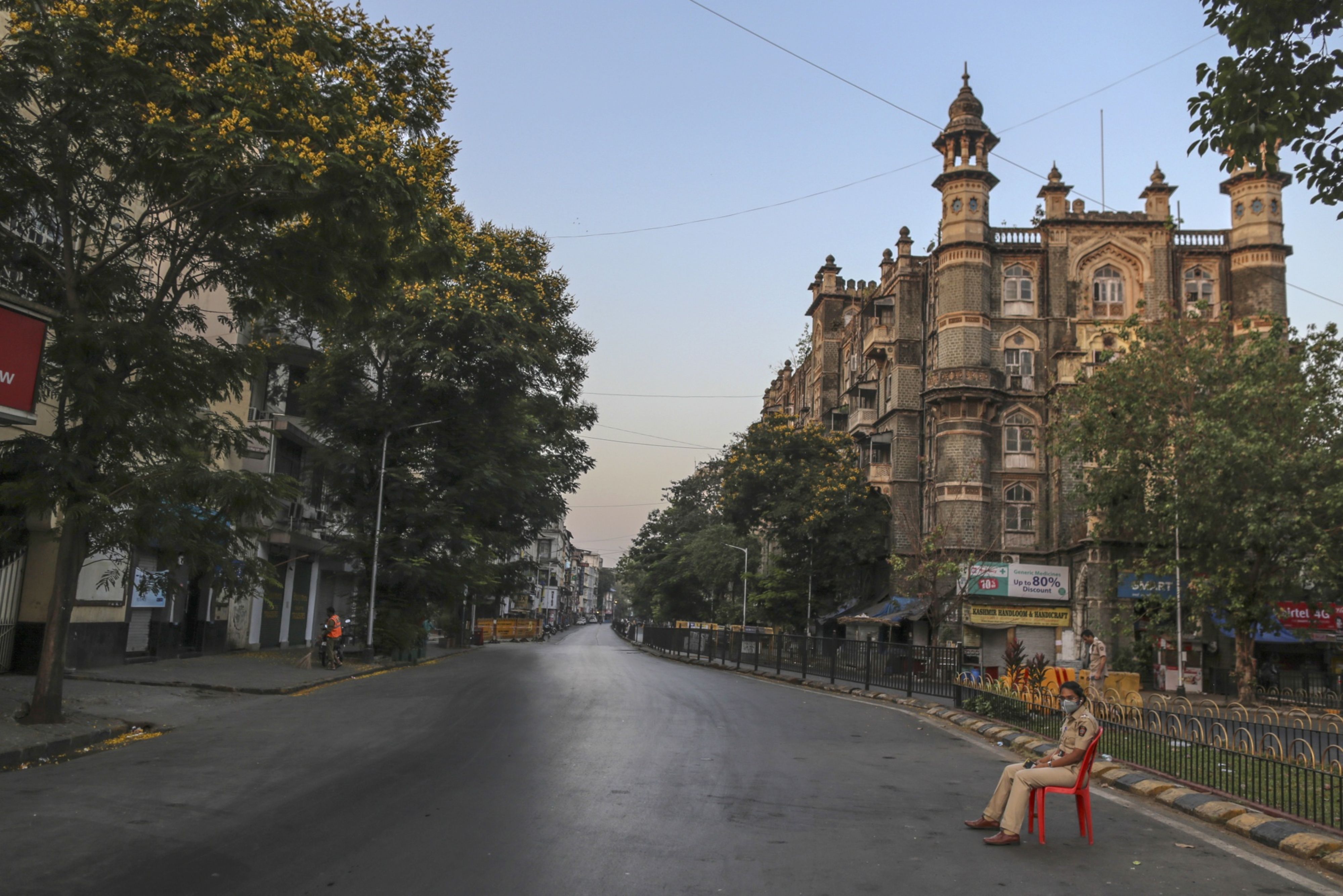
India enforced a strict nationwide lockdown, which lasted 40 days, to combat the spread of Covid-19. In the third phase, which began on Monday, restrictions have been eased across areas where detected cases of the novel coronavirus are low.
How good was the compliance with the near-complete lockdown?
Google, which has become a repository of consumer data through its various applications, has been compiling mobility reports, which help policymakers in planning and monitoring. The latest Google Mobility Report was released on Friday and measured changes in mobility between March 15 and April 26.
The report shows that mobility in areas of retail and recreation saw the steepest fall of 86 percent over this period. Mobility in residential areas dropped the least with a fall of 22 percent.
State-wise data provided shows that Delhi, Maharashtra, Telangana and Tamil Nadu saw a steeper fall in mobility across categories compared to the rest of the country. Movement in Bihar, Kerala, Assam and other North-Eastern states saw a smaller dip.
Jammu and Kashmir was an outlier to the broad trends seen across the country. This could be due to lower connectivity or existing restrictions on movement in parts of the region.
The state-wise break-ups will help governments determine the impact of the lockdown, said Suvodeep Rakshit, senior economist at Kotak Securities. For instance, a clear demarcation between Maharashtra and Kerala shows that the former may see its local economy take a bigger knock, for instance.
This data, primarily meant to aid government policy response but could be helpful in judging the activity levels and, hence, the growth recovery as we emerge from lockdown, he said.
Retail And Recreation
Across the country, mobility in places of retail and recreation dropped by 86 percent in March 15- April 26, 2020 compared to the Jan 3-Feb 6 period.
Among major Indian states and union territories, Delhi and Tamil Nadu saw an even steeper decline at 91 percent each, while states such as Bihar showed a lower decline at 79 percent.
Groceries & Pharmacies
Community mobility for purchasing grocery and for pharmacies halved, even though consumers were allowed to venture out for essentials.
Mobility for grocery markets, food warehouses, farmers markets, specialty food shops, drug stores, and pharmacies fell by 51 percent from March 15- April 26 compared to Jan 3-Feb 6.
While Bihar and Kerala saw a decline of just 22 percent and 32 percent in mobility respectively, Delhi saw a fall of 70 percent compared to its baseline for the same period.
Workplaces
Mobility in and around places of work declined by 41 percent in India from March 15- April 26, 2020 compared to Jan 3-Feb 6.
However, Kerala saw a decline of just 14 percent in movement to work. Bihar and Odisha also saw a modest decline of 24 percent and 26 percent respectively among major states and union territories.
Economic hubs like Delhi and Maharashtra saw a steeper decline of 68 percent and 53 percent, respectively.
Residential Areas
Places of residence remained the sole category which saw an uptick in movement. On an aggregate basis, residential movement climbed up by 22 percent for the country from March 15- April 26, 2020 compared to trends from Jan 3-Feb 6.
States like Kerala, Maharashtra, Tamil Nadu and Gujarat led the country with the highest rise in residential movement.
Mapping The Data
Datapoints like Google Mobility have permitted us to establish a baseline scenario and to determine the effectiveness of the lockdown and what comes after, said Rahul Mathhan, partner at Trilegal. For instance, now when people are going back to work, if mobility in metro stations jumps to 90 percent, the government would have to introduce staggered timings or other measures critical to keep social distancing, he explained. Matthan is part of the India working group of the ‘Covid-19 Mobility Data Network' established by universities around the world. The network is working with technology companies to use aggregated mobility data to support the Covid-19 response.
As India moves to exit the lockdown, some of the cities and towns which are not in the red zone may see some increase in workplace mobility, said Rakshit. However, larger cities are expected to continue to see muted activity, he added. Retail, too, may see some rise in mobility though recreation will remain muted, he said.

-
Ten Things I Learnt This Samvat

Patience can be a trap. Cheap stocks can stay cheap. Leverage can wipe you out. What did Samvat 2082 teach us? Niraj Shah writes on 10 lessons from the year gone by.
-
Talking Points This Week: Tech Nerves, FII Buying, And A Faraway Banking Shock
The global markets are not shining this Diwali. The exception in the large markets is, India.
-
Midterm Rally Lasted A Day. The Hard Reality Of A Divided US May Last Two Years | Opinion
Between a contested AI boom, a debt ceiling that arrives in 2027 and a president with every incentive to act alone, the next two years may prove more volatile than the first day's rally suggests.
-
Blue Wave Will Derail the AI Trade but Won't Dismantle the AI Era | Unhedged Position
The Democrats' sweep of the US Congress will see politics collide with economic forces both over the long and short term.
-
It's Time To Take The GST Council's Bet On Trust Global
Payment records can prove India's services exports, and clear, proportionate rules can bring foreign digital sellers into the tax net.
-
Opinion | India at 38: From Innovation Overperformer to Innovation Powerhouse
India now has 453 VC-backed deep science startups, 18 of them late-stage, after 117 percent growth since 2020. Laurus Labs, at USD 9.3 billion, is the most valuable deep science company in any middle-income economy outside China.
-
Navigating Energy Crossroads: S Jaishankar's Call For Diversified Supply Chains At G20 Ministerial Meeting
As geopolitical fault lines continue to test maritime trade routes and commodity flows, Jaishankar's message remains pertinent: true economic resilience requires open markets, protected transit lines, and a genuine commitment to multilateral cooperation rather than coercion.
-
Indians Are Travelling, But Not Every Journey Is A Holiday | The Week In Whys
Pilgrims, patients and working women are the real travellers, and the system hasn't quite caught up with them.
-
Getting To Work Costs Women More | The Reason Why
It is not just about women paying more than men. It is about women paying much more in cities than in villages.









