Spot Gold Headed For Fifth Weekly Gain In A Row As Risk Appetite Wanes
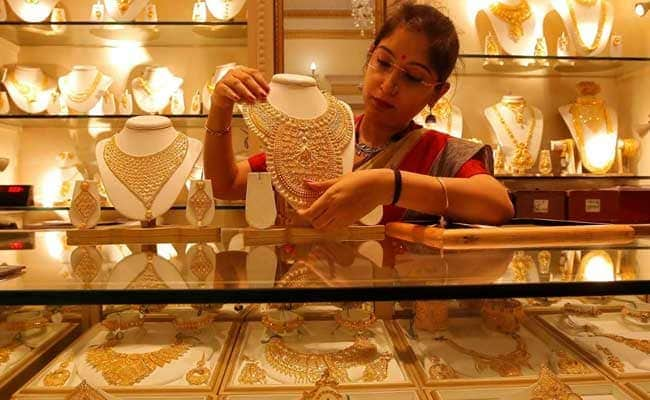
Gold eased on Friday pressured by a stronger dollar and hovered near the key $1,800 milestone, but was set for a fifth straight weekly gain as a spike in US COVID-19 infections underpinned safe-haven appetite. Spot gold was down 0.4 per cent at $1,796.03 per ounce by 0614 GMT (11:44 am in India)), but was up about 1.2 per cent for the week. US gold futures fell 0.1 per cent to $1,801.10 per ounce.
"The risk-off backdrop drove haven demand for the US dollar," pushing gold lower, said DailyFx currency strategist Ilya Spivak.
"Nevertheless, the pullback looks corrective in the context of a rising trend."
Gold has risen about 18 per cent this year, with safe-haven demand fuelled by the surge in coronavirus cases driving the metal to a near nine-year peak of $1,817.71 per ounce on Wednesday.
More than 60,000 fresh COVID-19 cases were reported across the US on Wednesday, the largest one-day increase by any country since the pandemic emerged in China last year.
Reflecting the resultant risk-off sentiment, Asian equities fell on concerns of fresh lockdowns in the US; which also boosted the dollar, a rival safe-haven, making gold more expensive for holders of other currencies.
Data showed US shoppers were staying out of stores in areas where cases are rising the most, dampening hopes of a quick recovery in the world's biggest economy.
Americans filing for jobless benefits dropped to a near four-month low last week, but a record number were still collecting unemployment checks in the third week of June, supporting expectations the labour market would take years to recover.
For gold, longer-term technicals suggest a slowing in the price momentum, with positioning pointing to a market very long on gold and implying a short-term pullback is possible, IG Markets analyst Kyle Rodda said.
Palladium fell 0.2 per cent to $1,938.83 per ounce, platinum declined 0.8 per cent to $826.65, and silver slipped 0.6 per cent to $18.54.

-
Ten Things I Learnt This Samvat

Patience can be a trap. Cheap stocks can stay cheap. Leverage can wipe you out. What did Samvat 2082 teach us? Niraj Shah writes on 10 lessons from the year gone by.
-
Talking Points This Week: Tech Nerves, FII Buying, And A Faraway Banking Shock
The global markets are not shining this Diwali. The exception in the large markets is, India.
-
Midterm Rally Lasted A Day. The Hard Reality Of A Divided US May Last Two Years | Opinion
Between a contested AI boom, a debt ceiling that arrives in 2027 and a president with every incentive to act alone, the next two years may prove more volatile than the first day's rally suggests.
-
Blue Wave Will Derail the AI Trade but Won't Dismantle the AI Era | Unhedged Position
The Democrats' sweep of the US Congress will see politics collide with economic forces both over the long and short term.
-
It's Time To Take The GST Council's Bet On Trust Global
Payment records can prove India's services exports, and clear, proportionate rules can bring foreign digital sellers into the tax net.
-
Opinion | India at 38: From Innovation Overperformer to Innovation Powerhouse
India now has 453 VC-backed deep science startups, 18 of them late-stage, after 117 percent growth since 2020. Laurus Labs, at USD 9.3 billion, is the most valuable deep science company in any middle-income economy outside China.
-
Navigating Energy Crossroads: S Jaishankar's Call For Diversified Supply Chains At G20 Ministerial Meeting
As geopolitical fault lines continue to test maritime trade routes and commodity flows, Jaishankar's message remains pertinent: true economic resilience requires open markets, protected transit lines, and a genuine commitment to multilateral cooperation rather than coercion.
-
Indians Are Travelling, But Not Every Journey Is A Holiday | The Week In Whys
Pilgrims, patients and working women are the real travellers, and the system hasn't quite caught up with them.
-
Getting To Work Costs Women More | The Reason Why
It is not just about women paying more than men. It is about women paying much more in cities than in villages.









