Gold Demand In India Grows At Twice The Pace Of China
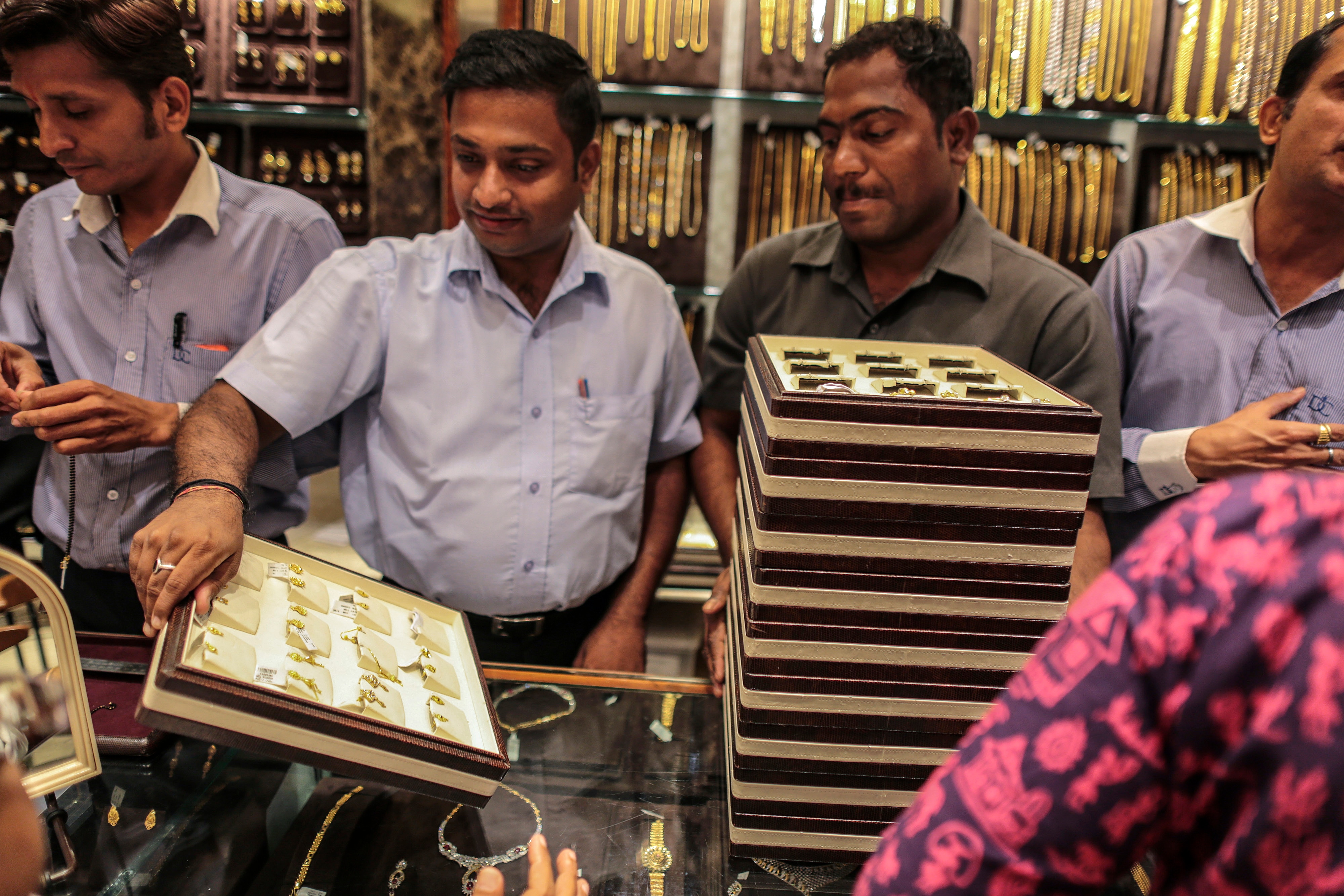
Pent up demand from the closing weeks of 2016, and pre-buying ahead of the upcoming wedding season helped gold demand in India grow at nearly twice the pace of China in the first three months of this year.
India's gold demand rose 15 percent to 123.5 tonnes in January-March, according to a report released by the World Gold Council (WGC) on Thursday. That compares with an 8 percent growth in the gold demand in China, the world's largest consumer of gold. This also led to a sharp rise in imports.
The demand growth in India, WGC said, compared with a weak base of 2016 when traders and jewellers had gone on a strike to protest against introduction of excise duty.
“The rise in gold demand in India is a sign rather than a milestone,” said Somasundaram PR, managing director of WGC in India. WGC forecast a conservative demand of 650-750 tonnes for 2017-18 due to short-term concerns arising from the rollout of Goods and Services Tax (GST) in July, PAN card registration and restrictions on cash transactions, he said in a statement.
Globally, the demand for gold fell 18 percent as compared a record surge in January-March in 2016. The slump was due to lower inflows in gold-backed exchange traded funds (ETFs), which were a fraction of last year's near-record investments.
The demand for gold as a reserved asset by central banks and other institutions also reached a six-year low of 76.3 trillion, pulling down the overall gold demand. China paused its net buying during the quarter as pressure continued to build up on its foreign exchange reserves.
The slowdown in global demand was offset by a healthy growth in investments into gold bars and coins along with a stable demand growth in jewellery and technology sectors.

India led the investments made in jewellery as the demand jumped 16 percent over the same quarter last year compared to a 1 percent rise globally. However, it fell below 100 tonnes for only the third time in a decade even as liquidity improved after a cash crunch triggered by demonetisation in the previous quarter.
The demand in India was helped by a strong rupee, which lowered the prices for domestic buyers despite a 9 percent rise in global gold prices. Planned purchases of gold ahead of the April-June wedding season and the Akshaya Tritiya festival also pushed up demand for jewellery. WGC's field research showed a better performance by organised retailers such as Tanishq as cashless transactions gathered momentum.
Jewellery purchases, however, fell 2 percent in China with younger consumers spending “more on experiences rather than material goods”, WGC said in the report.
Investments in gold bars and coins rose by 9 percent globally, driven largely by a 30 percent growth in China.
The supply of gold from mines fell 12 percent over the year-ago quarter mainly due to a 21 percent fall in recycling. Mine production, however, remained largely unchanged with WGC predicting a period of decline after 2018.

-
Medicine Pricing: Where Must Profit Stop?

India must confront excessive margins, hidden incentives and regulatory gaps that threaten the integrity of medicine.
-
Why Amazon And Flipkart Are Struggling To Beat Meesho In India's Smaller Cities
With 274 million users and lowest-cost logistics, Meesho is defending its value commerce crown against giants like Amazon and Flipkart.
-
High US Salaries, No Green Card Certainty: The Financial Calculation Facing Indian H-1B Families
The suspension of PERM processing at eight technology employers does not cancel existing H-1B visas. What it does is force a question many Indian families have been avoiding: is the US salary worth tying your career and family plans to one employer?
-
Swiggy vs Eternal: Food Delivery's Two Rivals Are No Longer In The Same Race
Eternal is building a private AI assistant, dark.ai. Swiggy is still working out how to make Instamart pay, with an operating loss of Rs 895 crore in the July-September quarter while Blinkit stayed profitable.
-
Where You Live Shapes How You Get To Work | The Reason Why
Two-wheelers are the most popular way to get to work in India, accounting for nearly 43% of workplace commutes.
-
Unhedged Position: Can India See An Indonesia-Style Time Correction?
The Nifty is trading below levels it first clocked in 2024. Is there, then, as I have suggested in the headline, potential that the current time correction drags on painfully for the next three-five, even ten years?
-
Navigating Friction And Energy Realities: An Analysis Of Marco Rubio's October Visit To India
Occurring at a critical juncture marked by stalled trade negotiations and escalating geopolitical pressures over global energy supplies, the visit offers a profound window into modern US-India relations.
-
India Exports Capital. Why Not Export Trusteeship?
The big question, then, is whether India can build an institution that global borrowers, investors, banks, and lawyers can trust, even without an Indian connection.
-
France's Economy & Politics Are In Crisis | The Reason Why
Let's look at how the French economy and politics evolved under Nicolas Sarkozy, Franois Hollande and Emmanuel Macron.
-
You May Inherit The Business. You Must Earn Its Credibility.
Succession tests the founder's ability to share authority as much as it tests the next generation's readiness to assume it.










