GM Sees Profit Down On Inventory Woes, Reaffirms ’22 Outlook
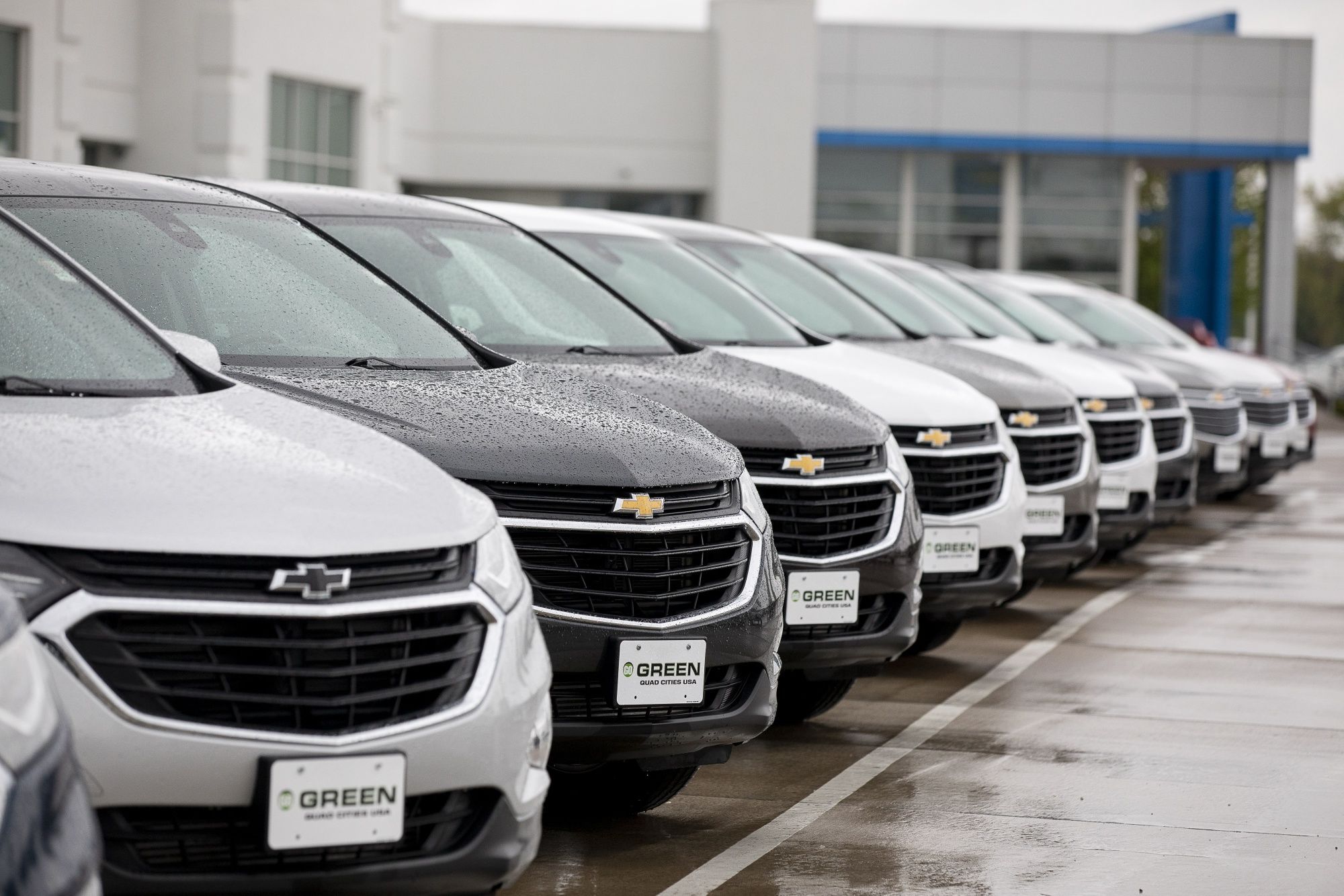
(Bloomberg) -- General Motors Co. expects second-quarter sales and profit to take a hit due to supply-chain problems, but the automaker said it can make up for delayed production later this year and reaffirmed its full-year guidance.
GM had 95,000 vehicles in inventory as of June 30 -- most of them built in June -- that can't be sold until certain semiconductors arrive to finish assembly, according to a Friday securities filing. The carmaker expects to finish building those vehicles by the end of the year, allowing the company to keep its full-year guidance.
The semiconductor shortage has eased, but carmakers continue to wrestle with the availability of certain chips. The shortfall has forced GM and others to either cut production at times or start assembling vehicles without some chips and finish them when supplies arrive.
GM said second-quarter sales fell 15% due to production and supply issues. As big a drop as that is, it's a sign of improvement from the second half of last year when supply-chain problems caused a sales shortfall of more than 40%.
Detroit-based GM said second-quarter profit will come in between $1.6 billion and $1.9 billion; the average of analysts' estimates is $2.4 billion.
Despite the hit to quarterly sales, GM is sticking to its expectations of 2022 net income between $9.6 billion and $11.2 billion, adjusted operating profit of $13 billion to $15 billion and adjusted earnings of $5.76 to $6.76 a share.
Easing Shortage
The second-quarter results are a sign that domestic automakers are starting to get a handle on the chip shortage, said Michelle Krebs, analyst with Cox Automotive. GM was able to temper the sales decline by building more heavy-duty pickup trucks, which helps commercial customers, and more of the Chevy Equinox, which sells to middle-income buyers.
The company expects its market share to be up 1 percentage point in the quarter to 16.3%. GM will likely retake the lead in US sales from Toyota Motor Corp., Cox said this week.
“We think they'll beat Toyota,” Krebs said. “Their supply was a lot better. Ford got hit by the shortage first, then GM. Now the Asians are getting hit.”
GM's top-selling Chevrolet brand had 41 days of inventory in mid-June, Krebs said. Ford, which reports sales on July 5, had the same amount, while the industry average is 28 days. Toyota has just 17 days supply, she said.
Inventory remains tight relative to historic levels, and some automakers are boosting production. In the U.S., the industry is carrying just over 1 million vehicles. This time in 2020, carmakers had 2.5 million units in stock, Cox said.
Automakers have kept profits up by charging more for vehicles during this period of scarcity. The average new car now costs more than $46,000, a record.
GM shares were temporarily halted in pre-market trading before the results were released. The were down fractionally to $31.57 at 10:44 a.m. in New York.
(Updates with analyst's commentary starting in the seventh paragraph.)
More stories like this are available on bloomberg.com
©2022 Bloomberg L.P.

-
A New Samvat Wishlist: Inclusive Prosperity And Human Development

India has strengthened its economic foundations through infrastructure, digital access and enterprise. Its next growth chapter must deepen productivity, create better livelihoods and widen participation in prosperity.
-
Love, Sex Aur Dhokha: The Audacious Plot To Spy On Jensen Huang
A Taipei dinner, a Singapore chip buyer and a suspected Chinese asset: inside the alleged spy operation that got close to NVIDIA's Jensen Huang.
-
Ten Things I Learnt This Samvat
Patience can be a trap. Cheap stocks can stay cheap. Leverage can wipe you out. What did Samvat 2082 teach us? Niraj Shah writes on 10 lessons from the year gone by.
-
Talking Points This Week: Tech Nerves, FII Buying, And A Faraway Banking Shock
The global markets are not shining this Diwali. The exception in the large markets is, India.
-
Midterm Rally Lasted A Day. The Hard Reality Of A Divided US May Last Two Years | Opinion
Between a contested AI boom, a debt ceiling that arrives in 2027 and a president with every incentive to act alone, the next two years may prove more volatile than the first day's rally suggests.
-
Blue Wave Will Derail the AI Trade but Won't Dismantle the AI Era | Unhedged Position
The Democrats' sweep of the US Congress will see politics collide with economic forces both over the long and short term.
-
It's Time To Take The GST Council's Bet On Trust Global
Payment records can prove India's services exports, and clear, proportionate rules can bring foreign digital sellers into the tax net.
-
Opinion | India at 38: From Innovation Overperformer to Innovation Powerhouse
India now has 453 VC-backed deep science startups, 18 of them late-stage, after 117 percent growth since 2020. Laurus Labs, at USD 9.3 billion, is the most valuable deep science company in any middle-income economy outside China.
-
Navigating Energy Crossroads: S Jaishankar's Call For Diversified Supply Chains At G20 Ministerial Meeting
As geopolitical fault lines continue to test maritime trade routes and commodity flows, Jaishankar's message remains pertinent: true economic resilience requires open markets, protected transit lines, and a genuine commitment to multilateral cooperation rather than coercion.









