Get ‘Slimy,’ Get Paid – It’s the Influencer Economy
(Bloomberg) --
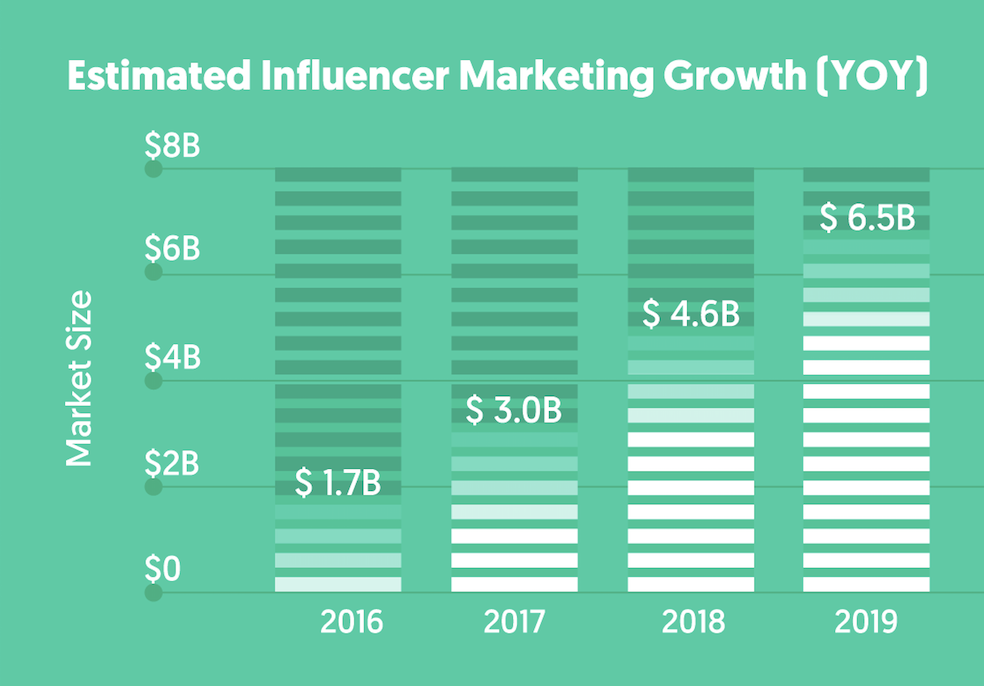
Do-it-yourself videos on homemade slime might not sound like cutting-edge marketing, but that's the way the so-called “influencer economy” works. People who build loyal social media followings on a particular subject, no matter how odd, can expect to hear from advertisers prepared to drop big bucks to reach the largest consumer cohort globally, Generation Z. This post-millennial generation, loosely defined as those born in 1997 and onward, has $143 billion in spending power in the U.S. alone. As a result, there are YouTubers who are so wealthy they're hiring wealth managers, and the spending on the influencer industry could top $6 billion this year.
1. What are influencers?
For the most part, they're everyday people who have built massive social media followings and are paid to promote products. (Though some celebrities like Kim Kardashian fit the bill.) They typically work within a very specific niche, such as gaming, beauty, kids or family. For instance, those slime videos spawned a multitude of indie businesses that sold homemade slime, including one from self-proclaimed “slime queen” Karina Garcia, who boasts more than 9 million subscribers on YouTube. The range of topics covered by influencers is wide, including:
- PewDiePie, whose real name is Felix Kjellberg, is one of the most popular gaming YouTubers with more than 97 million subscribers.
- Anthony Padilla and Ian Hecox have more than 24 million subscribers on their channel, Smosh, which uploads comedy skits.
- Ryan Kaji of Ryan ToysReview, who posts reviews of toys, boasts more than 20 million subscribers and billions of views.
2. Are they on Facebook?
No. That's for old people, haven't you heard? ;) The most popular platforms for influencers are Instagram and YouTube. The latest contender? TikTok, a video-sharing app that resembles the now-defunct Vine app. But unlike Instagram and YouTube, TikTok is still in its infancy as an ad platform.
3. How do they make money?
Advertisements, primarily. On YouTube, Google's AdSense program takes advantage of the eyeballs that the influencers draw in by putting up ads that viewers have to watch at least a part of before seeing the videos they came for. On Instagram, the more followers influencers have, the more brands are willing to fork over to have them post an #ad. The seamless integration of products into the influencers' feeds can make it difficult to distinguish between promotions and genuine recommendations.
4. How much can they make?
It's not uncommon for the most successful YouTubers to rake in $1 million to $2 million annually once they regularly surpass the million mark for each video; the exceptional video stars earn as much as $20 million a year, according to Forbes. The magazine reports that Dude Perfect (44 million subscribers), Jake Paul (19.5 million subscribers), and Ryan ToysReview (20 million subscribers) all earned at least $20 million in 2018, while channels like Tyler Pappas' Logdotzip, which has approximately 3.2 million subscribers, rakes in six figures a year.
5. What attracts the advertisers to influencers?
Their authenticity and relatability -- and their demographically distinct niches. Many of these young online stars rose to fame from humble backgrounds and, as a result, may be viewed by their fans as close friends: 70% of teenage YouTube subscribers say they relate to YouTube creators more than traditional celebrities, who can seem remote or insincere. And over half of Gen Z kids surveyed said they primarily discover new products from social media. Influencers are also cheaper: while celebrity endorsements can cost millions, most so-called micro-influencers (with a follower count ranging between 1,000 to 100,000) have prices in the three or four digit range. But even some of the top influencers are beginning to appear distant, as they amass a larger following than ever.
6. What do they typically promote?
Anything and everything. A fashion influencer can promote your payments technology by integrating it into a post about holiday favorites, a gaming YouTuber can promote your movie and “ASMR” influencers -- performers who whisper into microphones to induce “tingles” -- can promote almost anything from headphones to hair oil. Even their own wedding engagements -- pitch deck included -- can be an avenue for brands to partner with influencers.
7. Is this a good idea for marketers?
For brands, the influencer economy has a strong appeal, and some dangers. While 86% of marketers said they intend to dedicate a portion of their 2019 budgets to influencer marketing, some brands have been burned by partnering with edgier influencers who have had their fair share of drama. When a video of PewDiePie including anti-Semitic jokes surfaced in 2017, Walt Disney Co. immediately severed ties with him.
8. What if my kid wants to become a professional influencer?
There's a camp for that.
The Reference Shelf
- A Bloomberg News article on influencers turning to Wall Street to manage newfound wealth, and another on Kylie Jenner as social media pioneer.
- A New York Times article on influencers.
- An Atlantic article on how influencers are turning Instagram into “the new mall.”
- A report on the state of influencer marketing.
To contact the reporter on this story: Jasmine Teng in New York at jteng50@bloomberg.net
To contact the editors responsible for this story: Pierre Paulden at ppaulden@bloomberg.net, John O'Neil, Steven Crabill
©2019 Bloomberg L.P.

-
A New Samvat Wishlist: Inclusive Prosperity And Human Development

India has strengthened its economic foundations through infrastructure, digital access and enterprise. Its next growth chapter must deepen productivity, create better livelihoods and widen participation in prosperity.
-
Love, Sex Aur Dhokha: The Audacious Plot To Spy On Jensen Huang
A Taipei dinner, a Singapore chip buyer and a suspected Chinese asset: inside the alleged spy operation that got close to NVIDIA's Jensen Huang.
-
Ten Things I Learnt This Samvat
Patience can be a trap. Cheap stocks can stay cheap. Leverage can wipe you out. What did Samvat 2082 teach us? Niraj Shah writes on 10 lessons from the year gone by.
-
Talking Points This Week: Tech Nerves, FII Buying, And A Faraway Banking Shock
The global markets are not shining this Diwali. The exception in the large markets is, India.
-
Midterm Rally Lasted A Day. The Hard Reality Of A Divided US May Last Two Years | Opinion
Between a contested AI boom, a debt ceiling that arrives in 2027 and a president with every incentive to act alone, the next two years may prove more volatile than the first day's rally suggests.
-
Blue Wave Will Derail the AI Trade but Won't Dismantle the AI Era | Unhedged Position
The Democrats' sweep of the US Congress will see politics collide with economic forces both over the long and short term.
-
It's Time To Take The GST Council's Bet On Trust Global
Payment records can prove India's services exports, and clear, proportionate rules can bring foreign digital sellers into the tax net.
-
Opinion | India at 38: From Innovation Overperformer to Innovation Powerhouse
India now has 453 VC-backed deep science startups, 18 of them late-stage, after 117 percent growth since 2020. Laurus Labs, at USD 9.3 billion, is the most valuable deep science company in any middle-income economy outside China.
-
Navigating Energy Crossroads: S Jaishankar's Call For Diversified Supply Chains At G20 Ministerial Meeting
As geopolitical fault lines continue to test maritime trade routes and commodity flows, Jaishankar's message remains pertinent: true economic resilience requires open markets, protected transit lines, and a genuine commitment to multilateral cooperation rather than coercion.