What's Up With Gensol Engineering? Debt Woes, Promoter Selling Shake Confidence Of Investors
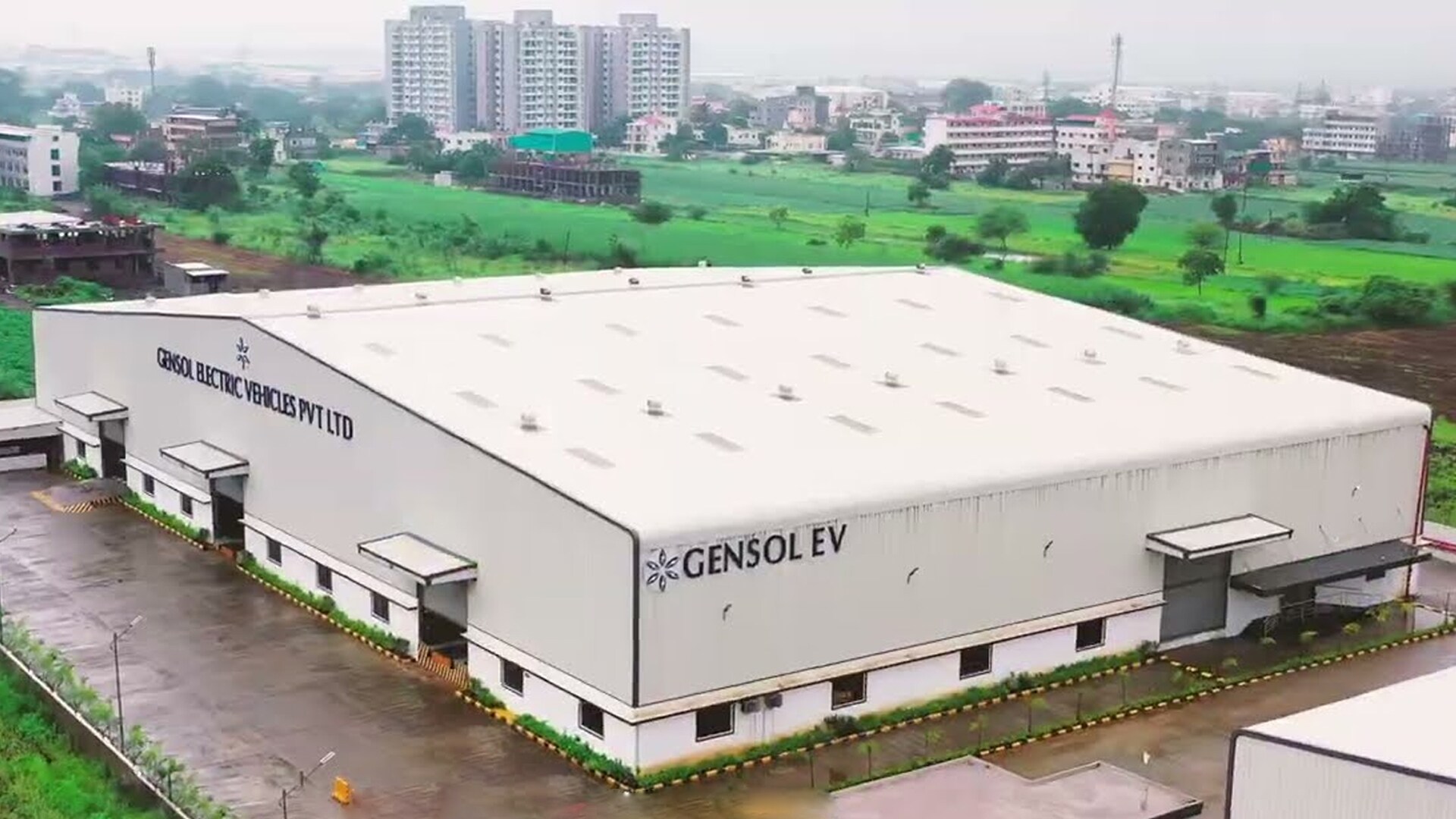
Shares of Gensol Engineering Ltd. have declined 56% in just over a month, wiping off Rs 1,600 crore of market capitalisation.
This free fall is not part of the Indian market sell off, but rather multiple factors pertaining to the company's debt repayments that have shaken investor confidence.
The Initial Trigger
The first trigger came on March 3, when rating agency CareEdge downgraded the ratings of Gensol Engineering's long and short term bank facilities to a 'CARE D' — a credit rating given to issuers who are in default or expected to be in default. This is the lowest rating on the CARE rating scale. The downgrade came on account of ongoing delays in the servicing of term loan obligations.
The question on the company's debt obligation payments continued on March 4, when ICRA Ratings downgraded an amount totalling Rs 2,050 crore to a 'default' as well. The rating agency cited falsified documents submitted by the company, which had earlier claimed timely debt servicing. The company has denied any involvement in these falsification claims, and plans to set up a committee to review the matter.
This raised concerns on the company's corporate governance practices and liquidity position, and caused the stock to tank 69% between March 3 and March 5.
Promoters Sell Stake
Promoters of Gensol Engineering have sold a total of 11.15 lakh shares in the past month. Over this past weekend, promoters sold 9 lakh shares or 2.37% shareholding of the company. This raised a total of Rs 30 crore, which will be used to infuse funds into the company, as per the exchange filing. The current promoter shareholding in Gensol Engineering stands at 59.7% versus 62.65% at the end of Q3 FY25.
It is important to note that as of Q3, 82% of the promoter shares are pledged, which means that the company's promoters are using their shares as collateral to borrow money. One should also keep in mind that if the promoter fails to repay the loan, the lender could sell the pledged shares, thereby impacting the company's stock price.
How Will Promoters Infuse Funds?
On June 18, 2024, Gensol Engineering had issued 61.84 lakh warrants to promoters and other investors, where promoters subscribed to 15.3 lakh warrants. As per warrant subscription, 25% amount was paid back then, while the company intends to raise the remaining 75% soon.
Out of the Rs 404 crore remaining to be raised, Rs 100 crore will be infused by promoters, while the balance Rs 304 crore will be infused by 107 investors. The warrant subscription will be done at a pre-decided price of Rs 871, which now stands at 2.7 times the current market price. Gensol Engineering will be holding a board meeting on March 13 to decide on the fund raiser.
Is The Rs 400 Crore Fund Raise Enough?
As per the latest press release, Gensol Engineering has reduced its debt obligations by Rs 230 crore so far in fiscal 2025. Total debt of the company now stands at Rs 1,146 crore, which compares to the Rs 330 crore Ebitda level in the last 12 months. The leverage of the company stands at 3.5 times.
If Gensol successfully raised the Rs 400 crore, then the amount would be 35% of its total debt.
The company, on March 5, also announced a series of asset divestments to significantly reduce debt. The company plans to sell 2,997 electric vehicles worth Rs 315 crore, as well as sell its wholly owned subsidiary company for Rs 350 crore. These two divestments will significantly reduce Gensol's debt by Rs 655 crore.
The Positive Triggers
While the view on the company's balance sheet is being questioned currently, the company has noted some positive triggers.
Gensol Engineering's revenue, Ebitda and net profit have gained 42%, 89% and 34%, respectively on an annual basis in 9M FY25.
The company's order book also stands at Rs 7,000 crore, providing visibility beyond FY26. The firm's EV segment has also pre booked 30,000 vehicles, production for which is expected in FY26. Gensol will also be executing two battery energy storage projects in the next financial year.

-
Opinion | India at 38: From Innovation Overperformer to Innovation Powerhouse

India now has 453 VC-backed deep science startups, 18 of them late-stage, after 117 percent growth since 2020. Laurus Labs, at USD 9.3 billion, is the most valuable deep science company in any middle-income economy outside China.
-
Navigating Energy Crossroads: S Jaishankar's Call For Diversified Supply Chains At G20 Ministerial Meeting
As geopolitical fault lines continue to test maritime trade routes and commodity flows, Jaishankar's message remains pertinent: true economic resilience requires open markets, protected transit lines, and a genuine commitment to multilateral cooperation rather than coercion.
-
Indians Are Travelling, But Not Every Journey Is A Holiday | The Week In Whys
Pilgrims, patients and working women are the real travellers, and the system hasn't quite caught up with them.
-
Getting To Work Costs Women More | The Reason Why
It is not just about women paying more than men. It is about women paying much more in cities than in villages.
-
AI Bias In Investing Cannot Be Eliminated, But It Can Be Governed
Framing is a particularly important example as identical financial information presented in terms of gains rather than losses can lead an LLM to reach a different assessment.
-
Joining The Dots | Dark Skies, Steady Diya: Why Hope Holds This Diwali
With war, a weak rupee and foreign outflows weighing on sentiment, policymakers at the NDTV World Summit and market veterans at NDTV Profit Ignite: Diwali Edition offered the same advice: stay invested and filter out the noise.
-
The Curious Case of Equitas Small Finance Bank And A CEO Who Quit For Stock
PN Vasudevan believes persistent investor concerns over a perceived conflict of interest had become a governance overhang on Equitas Small Finance Bank's stock, even as the lender improved profitability and asset quality.
-
Talking Points This Week: AI Cash Burn, A Tiger Comeback And An India That Still Finds Its Own Path
India is not immune to higher oil or tighter global liquidity, yet its earnings base is broader, its domestic policy levers are still available.
-
Foreign Investors Own Half Of HDFC Bank and ICICI Bank. An LTCG Cut Could Matter Most Here
Foreign portfolio investors have US$115 billion parked in HDFC Bank, ICICI Bank. If the government cuts long-term capital gains tax, Jefferies says returning foreign money could land here first.










