From Mistakes At Berkshire To Japan Investments — Key Takeaways From Warren Buffett's Annual Letter
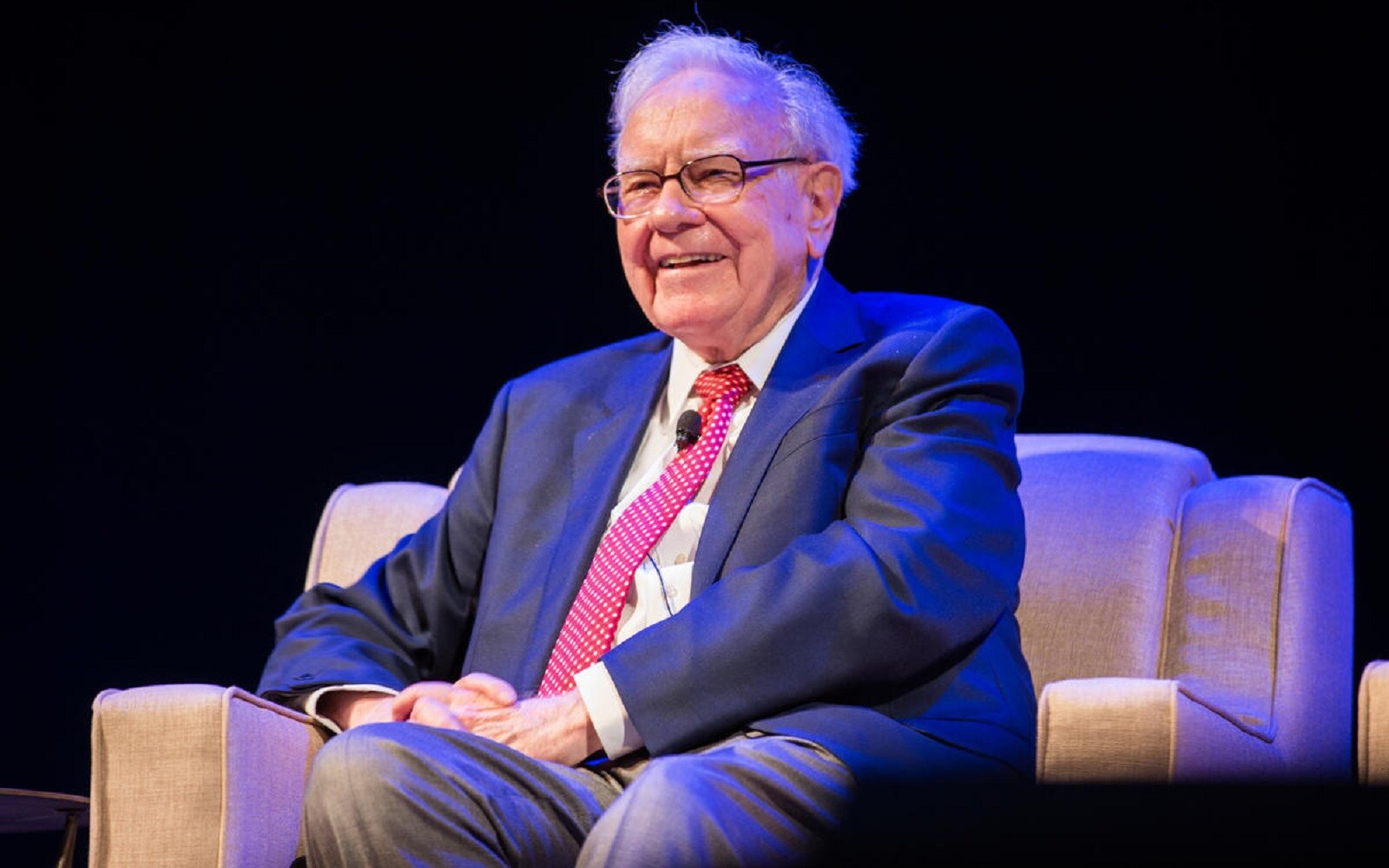
From reflecting on his investment mistakes to outlining his strategies and defending capitalism, the legendary investor Warren Buffett shed light on Berkshire Hathaway's past, present and future in his latest shareholder letter.
The Nebraska-based conglomerate's operating earnings surged 71% in the fourth quarter, as higher interest rates lifted the company's investment income and its insurance business improved.
Earnings also got a significant boost from a strong recovery in the firm's insurance underwriting business, with operating earnings quadrupling over the period to $3.4 billion. Buffett's cash hoard grew for the 10th quarter in a row, to a record $334.2 billion at the end of 2024.
Here are the key highlights from his letter to the shareholders.
Mistakes At Berkshire
Buffett acknowledged his firm making mistakes in capital allocation and assessing managers' abilities. He emphasised the importance of addressing mistakes promptly, quoting Charlie Munger: “Problems... require action, however uncomfortable that may be.”
Unlike many companies, Berkshire candidly admits errors, using the words “mistake” or “error” 16 times in Buffett's letters from 2019-23, Buffet said.
Record Tax Payment
Berkshire paid $26.8 billion in federal corporate income tax in 2024, the highest by any US company. Buffett credited this to long-term reinvestment, with Berkshire paying only one dividend in its history.
Investment Strategy
Berkshire holds both fully owned companies and partial stakes in giants like Apple, Coca-Cola, and American Express. The company reduced its marketable equity holdings from $354 billion to $272 billion but remains committed to equities over cash.
Buffett warned against over-reliance on fixed-coupon bonds, stressing that businesses and skilled individuals fare better in economic instability.
Capitalism And America's Growth
Buffet, in his address, defended capitalism's ability to drive progress, acknowledging its flaws but emphasizing its unmatched potential.
He noted America's success is due to continuous savings and wise investment, despite occasional mismanagement and fraud. “The savings of Americans have delivered a quantity and quality of output beyond the dreams of any colonist,” Buffett wrote.
"It has its faults and abuses — in certain respects more egregious now than ever — but it also can work wonders unmatched by other economic systems."
Core Of Berkshire's Business
Buffett emphasised that property-casualty insurance remains at the heart of Berkshire's operations.
Unlike most industries, where costs are known before sales occur, the insurance business is unique in that premiums are collected upfront while costs are determined years later, he said. This delay in recognising losses can lead to unforeseen financial consequences, with some liabilities emerging decades after policies were written.
"This mode of operations has the desirable effect of giving P/C insurers cash before they incur most expenses but carries with it the risk that the company can be losing money — sometimes mountains of money."
Managing Risk In Volatile World
Buffett acknowledged the growing financial burden of extreme weather events, such as wildfires and hurricanes, which have led to soaring insurance payouts.
He emphasised the importance of pricing policies appropriately to absorb these risks and combat fraudulent claims and excessive litigation. Berkshire's ability to navigate these challenges without reliance on external reinsurers provides it with a distinct competitive advantage, Buffett said.
Growing Japan Investments
Buffett also shed light on Berkshire's growing interest in the Japanese market. Since 2019, the company has been investing in five major Japanese trading houses — ITOCHU, Marubeni, Mitsubishi, Mitsui, and Sumitomo — due to their disciplined capital management and shareholder-friendly policies.
Berkshire has taken a yen-balanced approach, ensuring that its increasing investments in Japan align with currency-neutral borrowing strategies.

-
Signature Play: The Classic Cocktail Is Dead. Or Is It?

Classic cocktails are disappearing from India's cocktail menus. But they're still being ordered, taught to bartenders and borrowed from. So, who's really having the last drink?
-
A New Samvat Wishlist: Inclusive Prosperity And Human Development
India has strengthened its economic foundations through infrastructure, digital access and enterprise. Its next growth chapter must deepen productivity, create better livelihoods and widen participation in prosperity.
-
Love, Sex Aur Dhokha: The Audacious Plot To Spy On Jensen Huang
A Taipei dinner, a Singapore chip buyer and a suspected Chinese asset: inside the alleged spy operation that got close to NVIDIA's Jensen Huang.
-
Ten Things I Learnt This Samvat
Patience can be a trap. Cheap stocks can stay cheap. Leverage can wipe you out. What did Samvat 2082 teach us? Niraj Shah writes on 10 lessons from the year gone by.
-
Talking Points This Week: Tech Nerves, FII Buying, And A Faraway Banking Shock
The global markets are not shining this Diwali. The exception in the large markets is, India.
-
Midterm Rally Lasted A Day. The Hard Reality Of A Divided US May Last Two Years | Opinion
Between a contested AI boom, a debt ceiling that arrives in 2027 and a president with every incentive to act alone, the next two years may prove more volatile than the first day's rally suggests.
-
Blue Wave Will Derail the AI Trade but Won't Dismantle the AI Era | Unhedged Position
The Democrats' sweep of the US Congress will see politics collide with economic forces both over the long and short term.
-
It's Time To Take The GST Council's Bet On Trust Global
Payment records can prove India's services exports, and clear, proportionate rules can bring foreign digital sellers into the tax net.
-
Opinion | India at 38: From Innovation Overperformer to Innovation Powerhouse
India now has 453 VC-backed deep science startups, 18 of them late-stage, after 117 percent growth since 2020. Laurus Labs, at USD 9.3 billion, is the most valuable deep science company in any middle-income economy outside China.









