Fratelli Vineyards Eyes Expansion Of Wine Tourism With 40-Room Resort
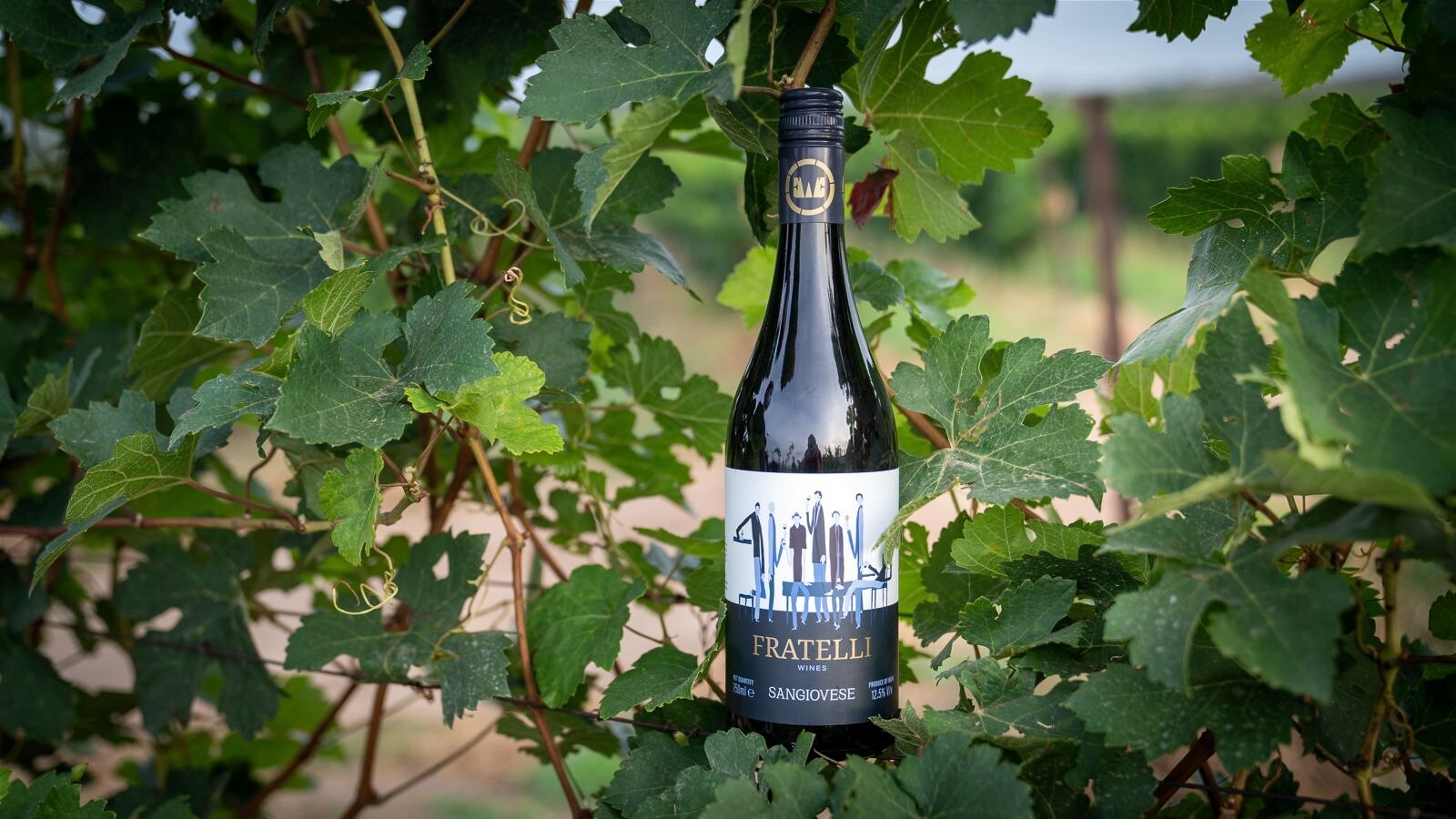
Fratelli Vineyards Ltd. is set to expand into wine tourism with the launch of a 40-room resort in Maharashtra in a bid to capitalise on the growing interest in experiential travel and wine culture.
“Wine tourism is an expanding segment within the global tourism industry, and our foray into tourism is a natural progression," Gaurav Sekhri, managing director of Fratelli Vineyards, told NDTV Profit.
"We appointed an architect, and a basic concept is in place. We are also engaged in talks with a third party for a management contract, as we do not have expertise in hospitality," he said, adding that the property is expected to be operational in the second half of 2026.
The upcoming project is being developed within a 200-acre vineyard situated in the Solapur region of Maharashtra. It will also mark Fratelli's maiden resort, responding to the "terrific" demand for the four guest rooms it occasionally offers at its vineyard, said Sekhri.
Fratelli has allocated Rs 100 crore towards capital expenditure over the next two years.
The tourism project will require an investment of around Rs 60 crore. "We envision this as high-end property aimed at maintaining its exclusivity," he said.
In India, Sula Vineyards Ltd. initiated the wine tourism concept by establishing the first wine tasting room in 2005. The largest winery in the country operates three resorts, offering a total of 103 accommodations.
Last fiscal, Sula welcomed 4 lakh visitors. Buoyed by this traffic, the company is also in the process of adding more rooms and building new tasting rooms.
Beyond Tourism
In addition to tourism, the recently listed Fratelli plans to expand its mainstay wine business.
Fratelli operates four wineries—owned privately by the family while also leasing some from outside parties—in Maharashtra and Karnataka, with a combined production capacity of nearly 5 million litres.
Founded in 2007, the country's second-largest winemaker sells about 5 lakh cases annually. The company is in the process of ramping up its capacity to 10 lakh cases within the next two years.
In contrast, rival Sula sells over 1 crore cases throughout India, boasting more than 60% of the market share in the premium and elite wine segments.
"Unlike our competitors, we are farmers first and winemakers second," Sekhri said, adding that the company has imported 10–12 varieties of saplings, including Montepulciano, and is currently cultivating a 150-acre vineyard. These saplings will take three years to mature, after which Fratelli plans to roll out new products.

Gaurav Sekhri, MD of Fratelli Vineyards
Emerging Growth Hubs
India is predominantly a brown spirits market, but Sekhri noted that the demand for locally produced wines is steadily increasing, driven by the young population. The millennials and Gen Z are embracing wine culture, fuelled by their travel adventures and social media influences, he said.
"One interesting trend we've noticed is that certain cities and states are suddenly catching on to rising consumption, which is reflected in our sales," said Sekhri.
"For instance, we've seen tremendous growth in Telangana, particularly in Hyderabad, this year," he said. "Last year, it was Lucknow in Uttar Pradesh that surprised us with its impressive numbers. We are betting on India's consumption story on the back of its demographic advantage, rising disposable income and rapid urbanisation."
He expects the non-traditional markets to drive the next phase of growth.
Fratelli Vineyards has grown at a compounded annual growth rate of 25% over the past three years, outpacing the industry average of 10-15%.
In FY24, the company had achieved a turnover of Rs 250 crore driven by premium and above categories. It aspires to reach Rs 650 crore in revenue by 2028. The luxury segment, specifically wines priced above Rs 2,000, generates the bulk of its sales.
"Wine is a lifestyle product that demands patience," Sekhri explained. "We are satisfied with our growth trajectory because our focus isn't on chasing revenue. Unlike our peers, we don't intend to produce industrialised wines; instead, we prefer to focus on crafting artisanal wines."
Fratelli owns about 35% of the market share within the country.
Call For Support
Sekhri emphasised that the ongoing global unrest poses a threat to India-made wines, stressing the need for the government to remain vigilant as it negotiates trade agreements.
Many European wine producers are currently under stress due to declining consumption. With the loss of Russia as a major market post-war, these producers are increasingly looking to India as an alternative, he said.
Simultaneously, Europe is experiencing a surplus of wine, leading to the uprooting of vineyards and disruptions in supply chains. "So, I think that the Indian wine industry requires adequate protection in this context," Sekhri said.
Moreover, India has not historically been recognised for its wine production.
"While the country has made a name for products like tea and basmati rice, for example, wine remains relatively unknown," he said.
To foster the growth of Indian wines, it is crucial that they have a fair opportunity to reach consumers. If imported wines are available at lower prices, there's a risk that consumers may overlook Indian options altogether.
Another challenge is the perception surrounding Indian wines.
The introduction of new imported wines could potentially jeopardise the entire industry, as Indian consumers might gravitate towards imports due to preconceived notions about quality.
"We need the continuous support from the government," Sekhri said.
Meanwhile, India has set an ambitious goal of exporting $1 billion worth of alcoholic beverages in the coming years as part of its Make in India initiative.
However, with wine comprising less than 1% of the alcoholic beverage market, Sekhri noted that it will take time for wine exports to reach meaningful levels.

-
Opinion | India at 38: From Innovation Overperformer to Innovation Powerhouse

India now has 453 VC-backed deep science startups, 18 of them late-stage, after 117 percent growth since 2020. Laurus Labs, at USD 9.3 billion, is the most valuable deep science company in any middle-income economy outside China.
-
Navigating Energy Crossroads: S Jaishankar's Call For Diversified Supply Chains At G20 Ministerial Meeting
As geopolitical fault lines continue to test maritime trade routes and commodity flows, Jaishankar's message remains pertinent: true economic resilience requires open markets, protected transit lines, and a genuine commitment to multilateral cooperation rather than coercion.
-
Indians Are Travelling, But Not Every Journey Is A Holiday | The Week In Whys
Pilgrims, patients and working women are the real travellers, and the system hasn't quite caught up with them.
-
Getting To Work Costs Women More | The Reason Why
It is not just about women paying more than men. It is about women paying much more in cities than in villages.
-
AI Bias In Investing Cannot Be Eliminated, But It Can Be Governed
Framing is a particularly important example as identical financial information presented in terms of gains rather than losses can lead an LLM to reach a different assessment.
-
Joining The Dots | Dark Skies, Steady Diya: Why Hope Holds This Diwali
With war, a weak rupee and foreign outflows weighing on sentiment, policymakers at the NDTV World Summit and market veterans at NDTV Profit Ignite: Diwali Edition offered the same advice: stay invested and filter out the noise.
-
The Curious Case of Equitas Small Finance Bank And A CEO Who Quit For Stock
PN Vasudevan believes persistent investor concerns over a perceived conflict of interest had become a governance overhang on Equitas Small Finance Bank's stock, even as the lender improved profitability and asset quality.
-
Talking Points This Week: AI Cash Burn, A Tiger Comeback And An India That Still Finds Its Own Path
India is not immune to higher oil or tighter global liquidity, yet its earnings base is broader, its domestic policy levers are still available.
-
Foreign Investors Own Half Of HDFC Bank and ICICI Bank. An LTCG Cut Could Matter Most Here
Foreign portfolio investors have US$115 billion parked in HDFC Bank, ICICI Bank. If the government cuts long-term capital gains tax, Jefferies says returning foreign money could land here first.










