France Mulls New Uranium Plant To Cut West’s Reliance On Russia
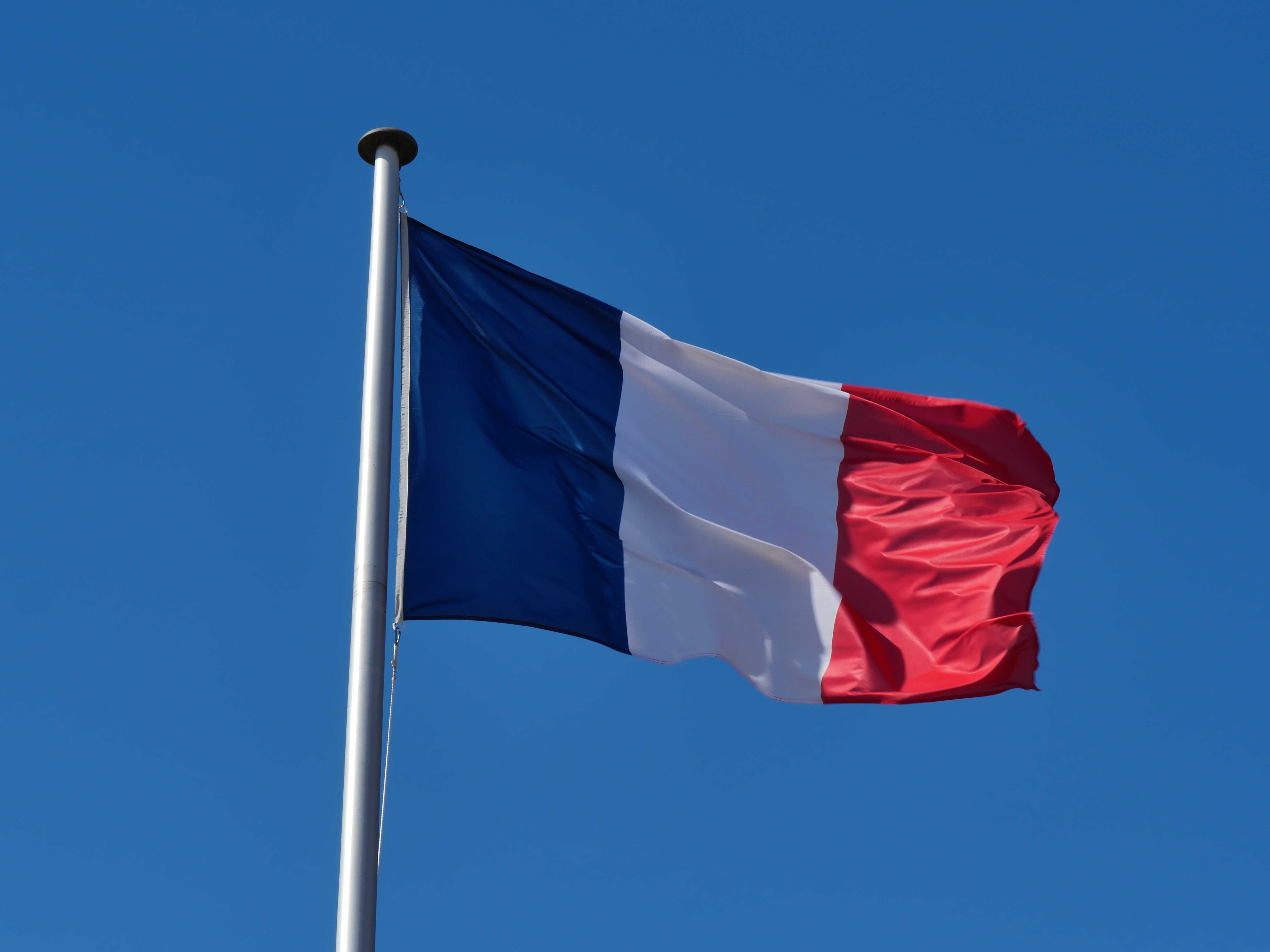
(Bloomberg) -- French state-controlled uranium producer Orano SA is considering growing its capacity to enrich the radioactive ore into nuclear fuel by almost 50% as Western governments and utilities seek to reduce their reliance on Russia since its attack on Ukraine.
The war is “reviving the urgency” to raise Western uranium-enrichment capacity to avoid potential shortages, Orano said, according to a statement of France's public debate committee. The cost of the capacity extension from 7.5 million to 11 million so-called separative work units at its plant in central France is estimated at 1.3 billion euros ($1.3 billion).
“We're working on various scenarios, including the extension of our Georges Besse II plant, which would be the fastest option, but also on building that extra capacity in the US,” Christophe Neugnot, head of communications at Orano, said by phone. “We'll need client commitments for our board to make a final decision in 2023, which would allow the first part of the extension to be commissioned toward 2028.”
The US and European nations have refrained from sanctioning Russian nuclear giant Rosatom, the world's largest uranium enricher, amid concern that power supplies to hundreds of millions of people across globe would be at risk of disruption. Still, they are increasingly cutting off ties with the Kremlin, which has been reducing natural gas shipments to Europe, with the latest blow being damage to the already-idled Nord Stream pipelines in what some governments suspect as sabotage.
Earlier this year, the Swedish State-owned utility Vattenfall AB extended deals to buy nuclear fuel from suppliers in France and the US after halting imports from Russian. Meantime, the Biden administration is pushing for the development of more domestic uranium-enrichment capacity.
The US only has one commercial enrichment facility, in New Mexico, which is owned by Urenco Ltd., a British, German and Dutch consortium. The company said in its half-year presentation that it's assessing where it can add a new plant to increase production.
Russia's Rosatom is the world's largest uranium enricher, with a 36% market share, according to its website.
More stories like this are available on bloomberg.com
©2022 Bloomberg L.P.

-
Love, Sex Aur Dhokha: The Audacious Plot To Spy On Jensen Huang

A Taipei dinner, a Singapore chip buyer and a suspected Chinese asset: inside the alleged spy operation that got close to NVIDIA's Jensen Huang.
-
Ten Things I Learnt This Samvat
Patience can be a trap. Cheap stocks can stay cheap. Leverage can wipe you out. What did Samvat 2082 teach us? Niraj Shah writes on 10 lessons from the year gone by.
-
Talking Points This Week: Tech Nerves, FII Buying, And A Faraway Banking Shock
The global markets are not shining this Diwali. The exception in the large markets is, India.
-
Midterm Rally Lasted A Day. The Hard Reality Of A Divided US May Last Two Years | Opinion
Between a contested AI boom, a debt ceiling that arrives in 2027 and a president with every incentive to act alone, the next two years may prove more volatile than the first day's rally suggests.
-
Blue Wave Will Derail the AI Trade but Won't Dismantle the AI Era | Unhedged Position
The Democrats' sweep of the US Congress will see politics collide with economic forces both over the long and short term.
-
It's Time To Take The GST Council's Bet On Trust Global
Payment records can prove India's services exports, and clear, proportionate rules can bring foreign digital sellers into the tax net.
-
Opinion | India at 38: From Innovation Overperformer to Innovation Powerhouse
India now has 453 VC-backed deep science startups, 18 of them late-stage, after 117 percent growth since 2020. Laurus Labs, at USD 9.3 billion, is the most valuable deep science company in any middle-income economy outside China.
-
Navigating Energy Crossroads: S Jaishankar's Call For Diversified Supply Chains At G20 Ministerial Meeting
As geopolitical fault lines continue to test maritime trade routes and commodity flows, Jaishankar's message remains pertinent: true economic resilience requires open markets, protected transit lines, and a genuine commitment to multilateral cooperation rather than coercion.
-
Indians Are Travelling, But Not Every Journey Is A Holiday | The Week In Whys
Pilgrims, patients and working women are the real travellers, and the system hasn't quite caught up with them.









