First RBI Board Meet Under Shaktikanta Das Steers Clear Of Controversial Decisions
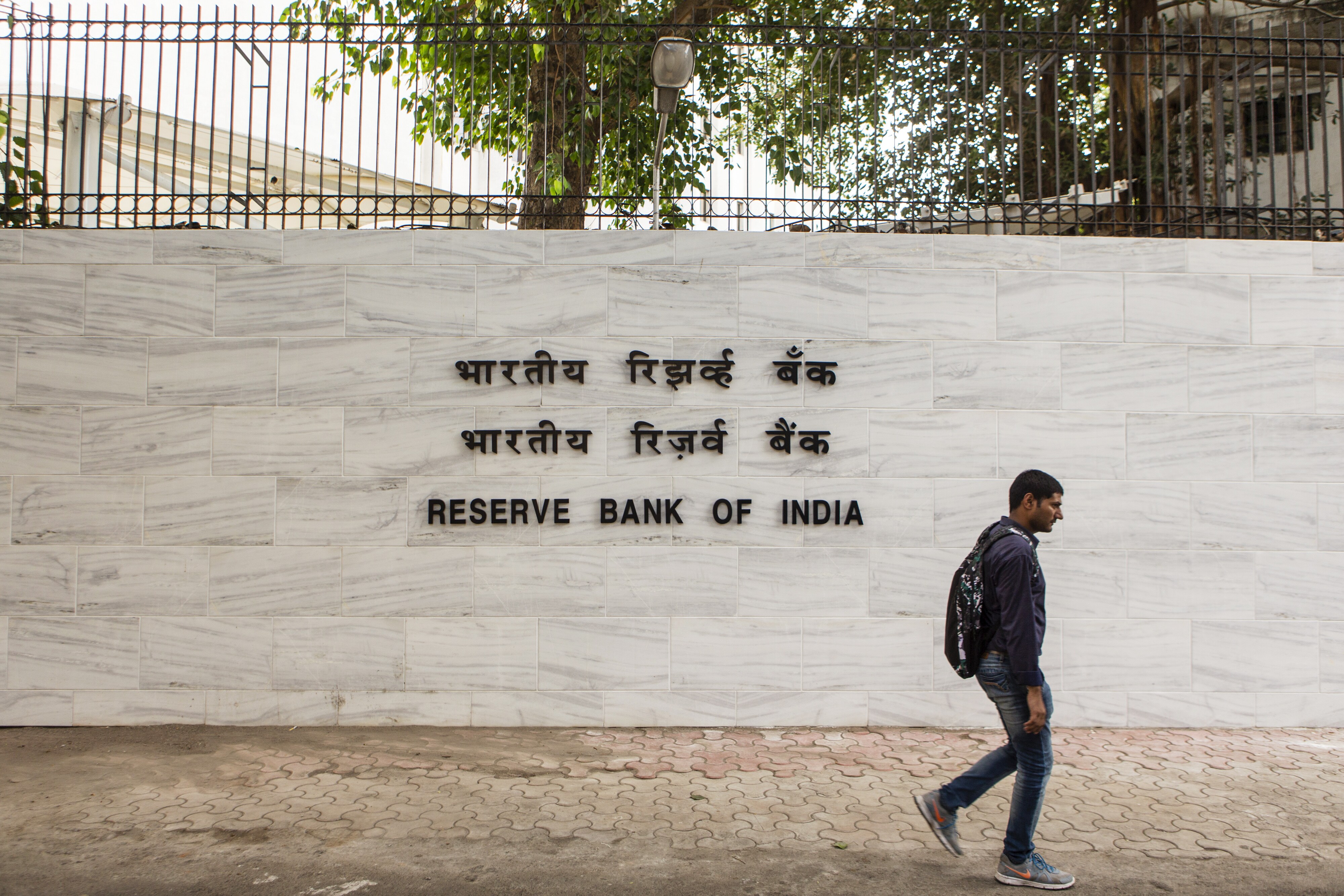
The central board of the Reserve Bank of India, which met for the first time since Shaktikanta Das took over as governor, stayed away from taking any controversial decisions.
The board discussed some of the issues that had become points of friction between the RBI and the government but did not announce any specific measures to address concerns raised by the political leadership.
One of the more contentious issues on the agenda was a proposed change in the governance structure of the Reserve Bank. The changes were seen as a way to strengthen the role of the central board in the RBI's decision making process.
“The Board deliberated on the Governance Framework of the Reserve Bank and it was decided that the matter required further examination,” said a short statement issued after the board meet.
The agenda for the meeting also included concerns that liquidity conditions are too tight and that credit flow to parts of the real economy has been disrupted. Once again, the board stayed away from making any specific decision in this regard.
The Board reviewed, inter alia, the current economic situation, global and domestic challenges, matters relating to liquidity and credit delivery to the economy, and issues related to currency management and financial literacy.RBI Central Board Statement
This was the first meeting of the board after Urjit Patel resigned as governor earlier this week. Shaktikanta Das was appointed as the new RBI governor and chaired the board meet on Friday. Patel's resignation was abrupt and came against the backdrop of tensions with the government and government representatives on the central board.
“The Central Board placed on record its appreciation of the valuable services rendered by Dr Urjit R Patel during his tenure as Governor and Deputy Governor of the Bank,” the statement released after the board meet said.
At its previous meeting on Nov.19, the board had decided to set up a committee to review the Economic Capital Framework which governs the RBI's balance sheet. Members of the committee are still to be appointed.
The board had also “advised” the RBI to consider a scheme for the restructuring of small accounts of up to Rs 25 crore.
Addressing concerns that banks are being subjected to regulations which are too tough, the board had decided to refer the Prompt Corrective Action to the Board for Financial Supervision of RBI. A decision to defer the full implementation of the capital conservation buffer prescribed under the Basel-III norms was also taken.
The new governor, who addressed the press on Wednesday after taking over, declined to take a position on any of these issues. However, he stressed on the need for consultations with all stakeholders, including the government.
“We have to have stakeholder consultations...Government is not just a stakeholder but runs the economy. So there has to be a free, fair, frank and very objective discussion between the RBI and the Government...” Das had said.
Analysts expect Das to be more open to relaxing some of tougher provisions introduced in banking regulations.
“He (Das) is likely to be more communicative and consultative in his approach, which is a positive. On policy, it does appear that he is likely to relax regulatory norms for banks (make them more counter-cyclical) and he will be more proactive in injecting liquidity,” said Sonal Varma, chief India economist at Nomura, in a note earlier this week.

-
High US Salaries, No Green Card Certainty: The Financial Calculation Facing Indian H-1B Families

The suspension of PERM processing at eight technology employers does not cancel existing H-1B visas. What it does is force a question many Indian families have been avoiding: is the US salary worth tying your career and family plans to one employer?
-
Swiggy vs Eternal: Food Delivery's Two Rivals Are No Longer In The Same Race
Eternal is building a private AI assistant, dark.ai. Swiggy is still working out how to make Instamart pay, with an operating loss of Rs 895 crore in the July-September quarter while Blinkit stayed profitable.
-
Where You Live Shapes How You Get To Work | The Reason Why
Two-wheelers are the most popular way to get to work in India, accounting for nearly 43% of workplace commutes.
-
Unhedged Position: Can India See An Indonesia-Style Time Correction?
The Nifty is trading below levels it first clocked in 2024. Is there, then, as I have suggested in the headline, potential that the current time correction drags on painfully for the next three-five, even ten years?
-
Navigating Friction And Energy Realities: An Analysis Of Marco Rubio's October Visit To India
Occurring at a critical juncture marked by stalled trade negotiations and escalating geopolitical pressures over global energy supplies, the visit offers a profound window into modern US-India relations.
-
India Exports Capital. Why Not Export Trusteeship?
The big question, then, is whether India can build an institution that global borrowers, investors, banks, and lawyers can trust, even without an Indian connection.
-
France's Economy & Politics Are In Crisis | The Reason Why
Let's look at how the French economy and politics evolved under Nicolas Sarkozy, Franois Hollande and Emmanuel Macron.
-
You May Inherit The Business. You Must Earn Its Credibility.
Succession tests the founder's ability to share authority as much as it tests the next generation's readiness to assume it.
-
Signing Deals Is One Thing; Making Them Work Is Another | The Week In Whys
Sometimes, things don't turn out as planned. Indian companies have lost some bids to rivals, some projects won't produce until 2030.
-
FOMC Wall, PERM Suspension, Hospital Stocks | Talking Points This Week
A PERM suspension would directly affect green-card sponsorship rather than H-1B visas, so the near-term earnings impact could remain relatively limited. The key question is whether this marks a new phase in US scrutiny of Indian IT.









