First Flight From Navi Mumbai Airport Unlikely By 2019
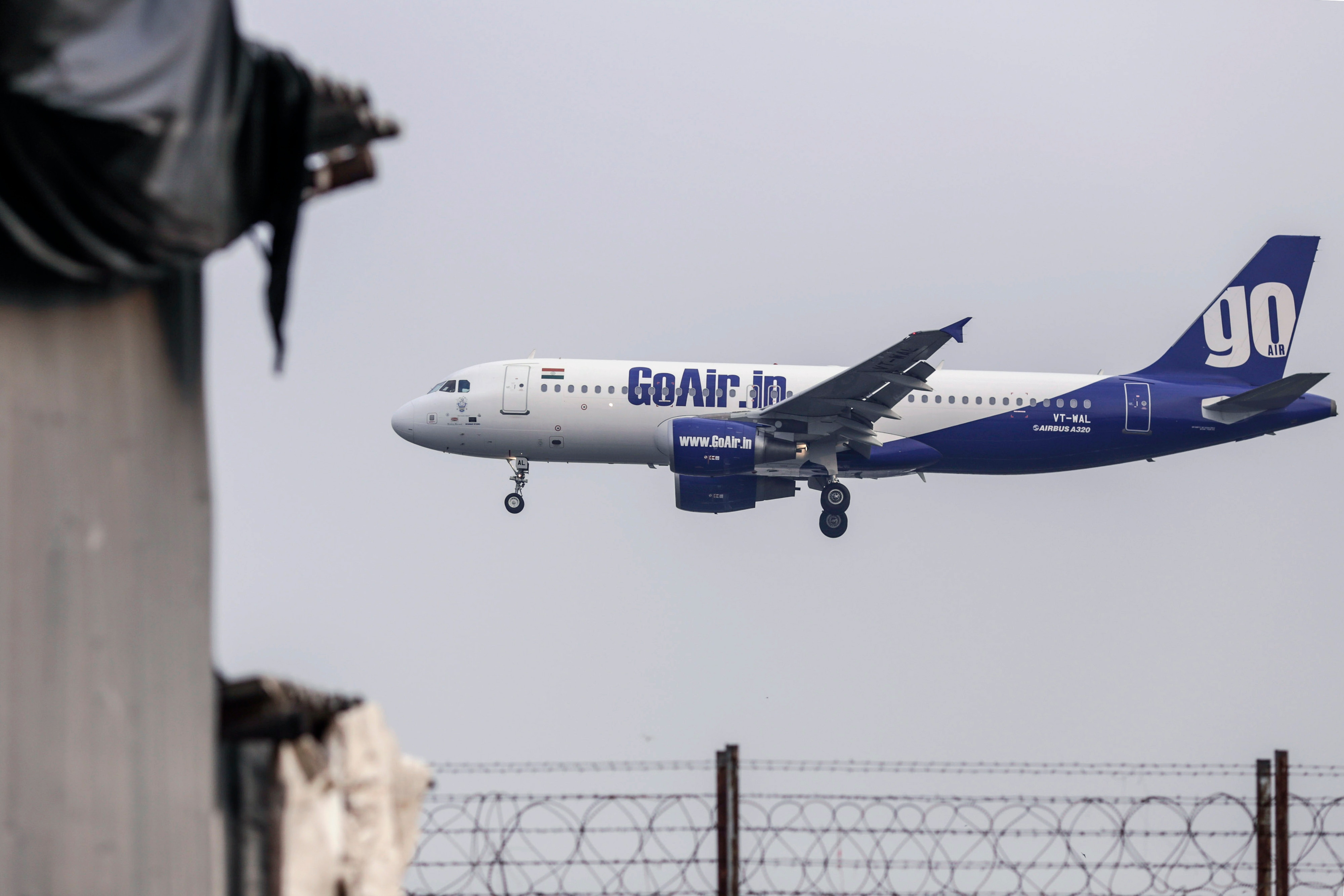
The Navi Mumbai airport is likely to miss its 2019 deadline.
Nearly six months after the GVK-led Mumbai International Airport Ltd. won the contract to build and operate the new airport for Rs 16,000 crore, the government is yet to clear the validity of its bid.
“The bid is before the cabinet for final approval and a letter of allotment. In any case, we would be handing over the site to GVK after the pre-development work is completed,” said Bhushan Gagrani, vice chairman and managing director of City and Industrial Development Corporation.
CIDCO is the implementing agency. The pre-development work will take about 18 months, said Gagrani. It includes diverting a river, shifting extra high-voltage lines and flattening a hill into a plateau that will be 5.5 metres above the sea level. The work would cost the corporation about Rs 3,000 crore, Gagrani said.
Proposed in 1997, the project was held up for nearly two decades because of land acquisition delays and environmental approvals. Maharashtra Chief Minister Devendra Fadnavis had said the first flight from the airport, which received the final nod last year, will take off in 2019.
The government has not appointed the Project Management and Implementation Committee to approve the validity of GVK's bid, senior CIDCO and GVK officials told BloombergQuint requesting anonymity. The reasons for the delay are not clear. BloombergQuint's emailed queries to the state government did not receive any response.
The airport is unlikely to commence operations before March 2024, by when congestion at the existing airport in the city will become much severe, newswire PTI reported quoting aviation think tank Centre for Asia Pacific Aviation.
The Mumbai airport, which handled 45.2 million passengers in the last financial year, has been facing a capacity crunch. According to CAPA, the airport will reach its maximum design capacity of 48 million by March.
“The economic loss to the city and the region is massive, as a result, causing the loss of thousands of jobs and fundamentally undermining Mumbai's potential as a major regional aviation hub,” according to CAPA report.
Once fully operational, the Navi Mumbai airport will handle 60 million passengers a year, according to information on CIDCO's website.
The other major task is rehabilitation and resettlement of the project affected people. There are about 3,000 households in 10 villages near the site. These people would be shifted to six sites, selected by the villagers about three years ago.
“There is no problem as such. The sites are ready and people have already started shifting,” said Gagrani. Due to the monsoon, they needed more time and about 100 families have already moved, he said.
(With inputs from PTI)

-
Talking Points This Week: Tech Nerves, FII Buying, And A Faraway Banking Shock

The global markets are not shining this Diwali. The exception in the large markets is, India.
-
Midterm Rally Lasted A Day. The Hard Reality Of A Divided US May Last Two Years | Opinion
Between a contested AI boom, a debt ceiling that arrives in 2027 and a president with every incentive to act alone, the next two years may prove more volatile than the first day's rally suggests.
-
Blue Wave Will Derail the AI Trade but Won't Dismantle the AI Era | Unhedged Position
The Democrats' sweep of the US Congress will see politics collide with economic forces both over the long and short term.
-
It's Time To Take The GST Council's Bet On Trust Global
Payment records can prove India's services exports, and clear, proportionate rules can bring foreign digital sellers into the tax net.
-
Opinion | India at 38: From Innovation Overperformer to Innovation Powerhouse
India now has 453 VC-backed deep science startups, 18 of them late-stage, after 117 percent growth since 2020. Laurus Labs, at USD 9.3 billion, is the most valuable deep science company in any middle-income economy outside China.
-
Navigating Energy Crossroads: S Jaishankar's Call For Diversified Supply Chains At G20 Ministerial Meeting
As geopolitical fault lines continue to test maritime trade routes and commodity flows, Jaishankar's message remains pertinent: true economic resilience requires open markets, protected transit lines, and a genuine commitment to multilateral cooperation rather than coercion.
-
Indians Are Travelling, But Not Every Journey Is A Holiday | The Week In Whys
Pilgrims, patients and working women are the real travellers, and the system hasn't quite caught up with them.
-
Getting To Work Costs Women More | The Reason Why
It is not just about women paying more than men. It is about women paying much more in cities than in villages.
-
AI Bias In Investing Cannot Be Eliminated, But It Can Be Governed
Framing is a particularly important example as identical financial information presented in terms of gains rather than losses can lead an LLM to reach a different assessment.









