FIFA World Cup 2018: Five Investing Lessons
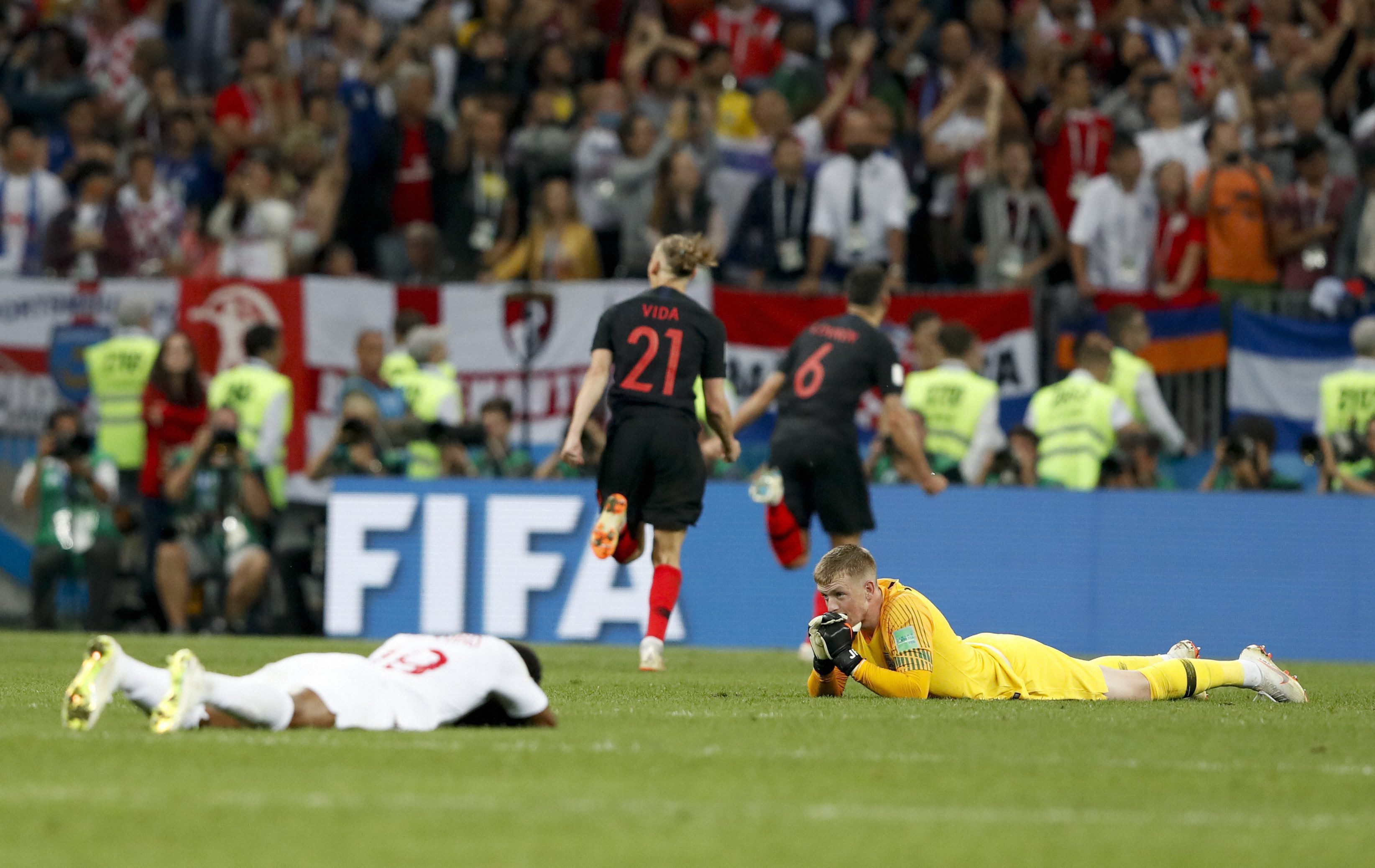
The FIFA World Cup 2018 has been a cup of surprises. As we watch France and Croatia prepare for a gripping finale, note that only one of the pre-tournament favourites has made it to the last two. Germany, Brazil, Spain, and Argentina, all bowed out before the semi-finals, and teams like Italy and the Netherlands didn't even qualify. While we marvel over the surprises of this world cup, the outcomes, so far, have a few lessons about football, and about the investing world.
1. Being Favourites Isn't Enough
Your game has to live up to the tag. As in markets so in football, performance has to justify being a “favourite”, else you will get knocked out, or your portfolio will take a knocking. Teams like Germany, Spain, Argentina, and Brazil found out the hard way. Germany faltered because Joachim Löw used the same tactics from years past, and the team was largely complacent in its approach, which did them in.
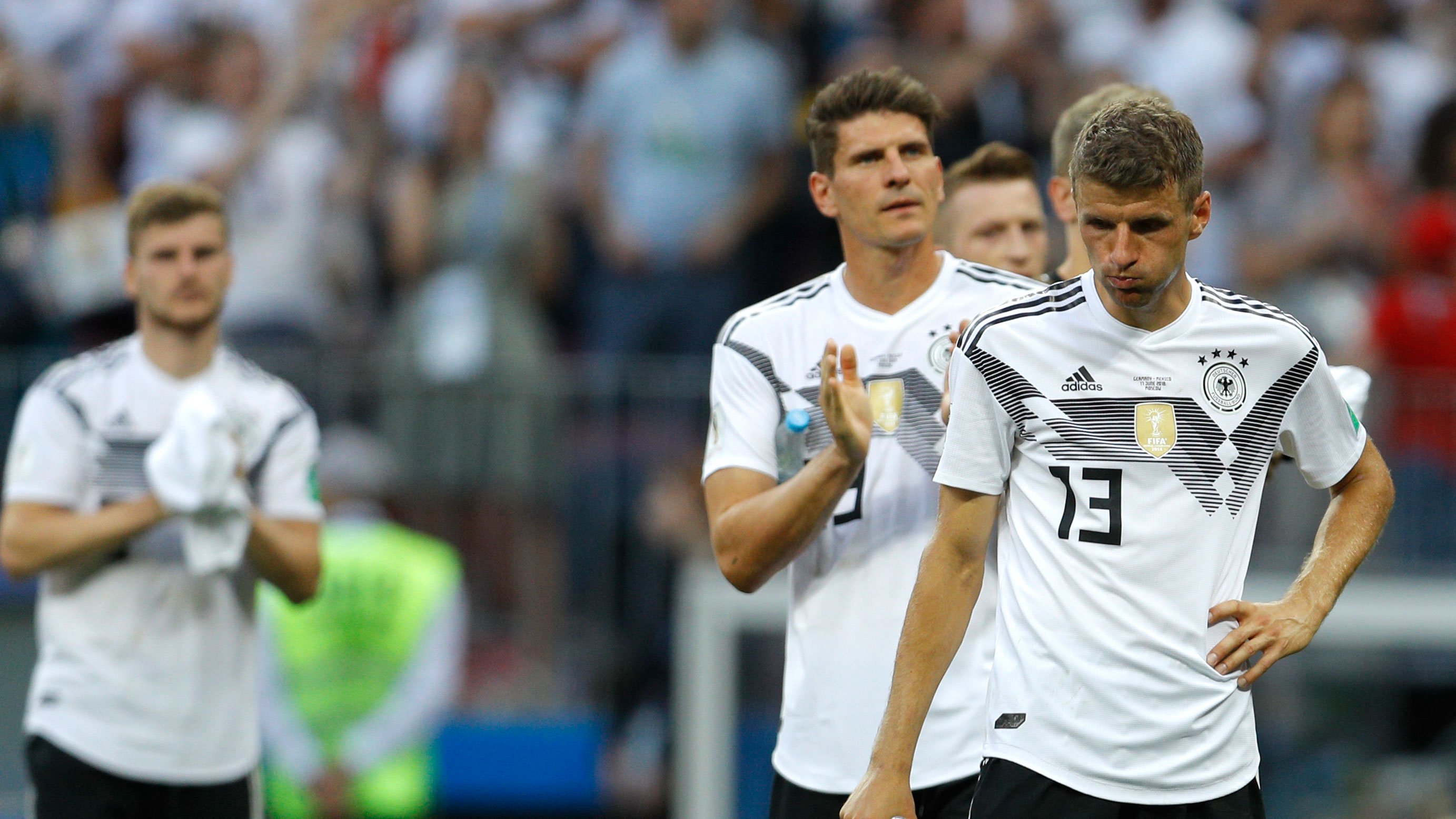
Investors who are slow in realising that change is underway in the marketplace, and hang on to pre-set notions about stocks, will falter.
A noteworthy tale is that of the telecom sector when Reliance Industries made its entry via Jio. 22 months later, what Jio's foray into broadband last week has done to the stocks of broadband companies is another example.
Investors shouldn't be complacent and should actively consider exiting losing positions unless they have extensively researched the business and are confident of the outlook over the long term.
2. Sourcing Talent And Team Selection
Croatia's hero hails from Switzerland, half of the French and Belgian players have African ancestry and then there is England.
It shows that teams that were willing to embrace players of different backgrounds have succeeded. Not to say that others haven't, but it does show that it pays to have a diverse talent pool, and those who bet on these men would have benefitted greatly.
Conversely, some of Spain's performers were either not given adequate chances, or got in too late. Manager Fernando Hierro left his main player Andres Iniesta out of the opening eleven in the quarter-final against Russia and brought in flamboyant Rodrigo very late into the game.
A few portfolio managers spotted the talent hunt that Sanjiv Bajaj went on for Bajaj Finance. The story began when Rahul Bajaj's sons were given charge of different businesses in the group. Sanjiv Bajaj was considered a finance whiz-kid himself, but he still roped in Rajeev Jain from AIG, Nanoo Pamnani from Citibank and, presumably, gave them full authority to chart out the path forward for Bajaj Finance. The company has since been the poster boy of the NBFC space in India. The lesson here?
Identify companies for your portfolio that are embracing the right talent mix, and chances are that you will succeed.
3. One Star, Against Eleven Opponents
Teams like Argentina and Portugal suffered because of their over-dependence on Lionel Messi and Cristiano Ronaldo. Once they were stifled, the teams lost their way.
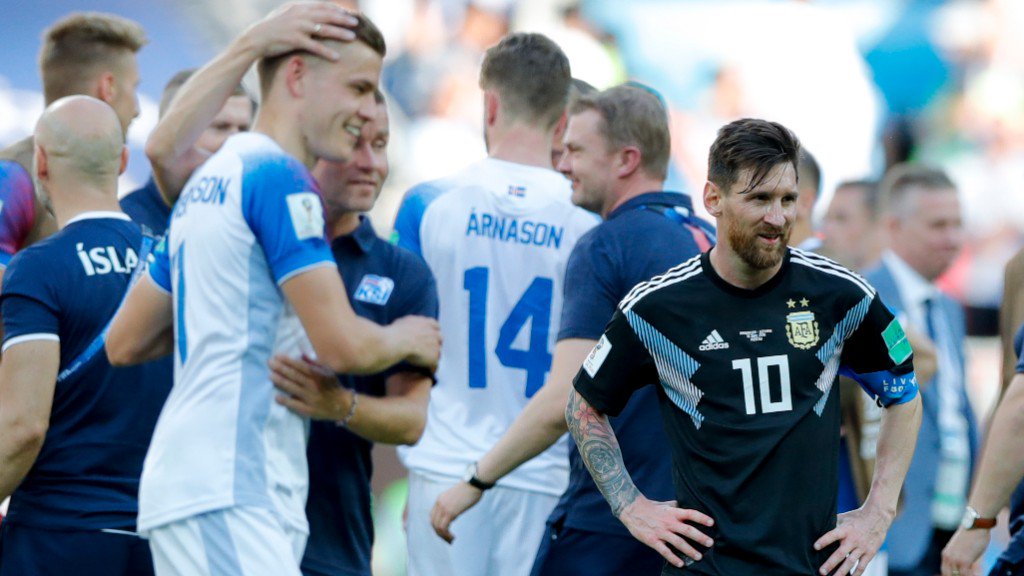
This can happen with companies too, especially those who rely on just a few winning plays. Lupin, for example, was heavily dependent on the success of drugs like gFortamet and Glumetza. But once other firms started making versions of the same five quarters ago, Lupin suffered, a lot.
When investing in a stock, study the company's revenue drivers, and its ability to manage concentration risks.
4. Defence As A Potent Weapon
What underdogs Russia showed against Spain was that if you can defend your goalposts well, then you can withstand losses even if you lack the ability to persistently attack. As Russia did, much to the delight of 78,000 fans in the stadium.
A strong goalkeeper took them through to the quarter-finals at the expense of one of the tournament favourites.

Portfolios that have had ‘defensive' names have prospered in 2018. While the Sensex is up 7 percent year-to-date, consumer stocks like Hindustan Unilever, Nestle, and Britannia are each up over 20 percent. This is not to say that a portfolio should have had only defensive stocks, but a judicious counter-balance to growth stocks would have led to decent gains in a period where the market traded sideways.
5. Always Believe In Yourself
Belgium let this lesson stay with them. 52 minutes into its round of 16 game, the team was down 0-2 against an unfancied Japan, which was playing with a lot of spirit. However, Belgium remained steadfast in its attack, and eventually found the three necessary goals to make it to the next round. Croatia exhibited the same grit in the semi-final against England despite having a patchy first half. The Croats held on and scored in the latter stages of regulation time and the dying stages of extra time. There are countless examples of the same in the equity markets.
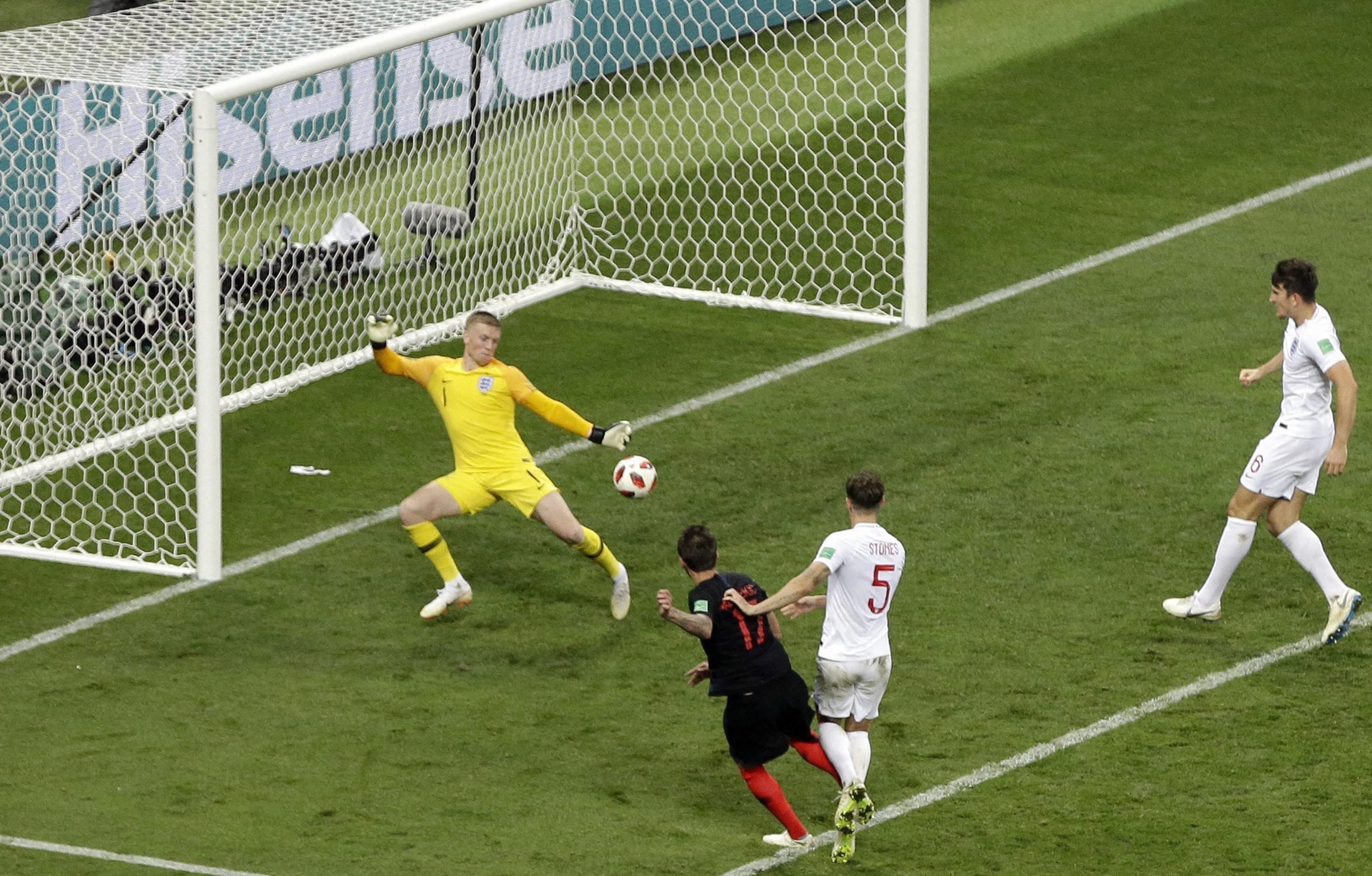
A leading fund manager believes in buying pockets of value even if popular view runs to the contrary, and his bet on metal stocks a couple of years ago or even telecom stocks when the Jio fever was at a high pitch are now well-regarded.
So, if you have conviction, ride the dips that Mr. Market will inevitably bring. Chances are that you will succeed when normalcy returns.
I will end with what is my favourite story from this world cup. A heart-breaking loss against Belgium in the knockout stage didn't deter the Japanese players or fans from continuing with their post-match cleaning ritual. In arguably one of the best displays of the sportsman's spirit, the Japanese players cleaned their dressing room and left a thank you note for hosts Russia. Football fans from Japan were seen cleaning the stands at the stadium after their side were knocked out. The pictures went viral on social media. This is what makes sport so special. Not every lesson needs to translate into an investing lesson. Some can be life lessons too.
Now, we await Super-Sunday. May the best team win.
Niraj Shah is Markets Editor at BloombergQuint.

-
Why Amazon And Flipkart Are Struggling To Beat Meesho In India's Smaller Cities

With 274 million users and lowest-cost logistics, Meesho is defending its value commerce crown against giants like Amazon and Flipkart.
-
High US Salaries, No Green Card Certainty: The Financial Calculation Facing Indian H-1B Families
The suspension of PERM processing at eight technology employers does not cancel existing H-1B visas. What it does is force a question many Indian families have been avoiding: is the US salary worth tying your career and family plans to one employer?
-
Swiggy vs Eternal: Food Delivery's Two Rivals Are No Longer In The Same Race
Eternal is building a private AI assistant, dark.ai. Swiggy is still working out how to make Instamart pay, with an operating loss of Rs 895 crore in the July-September quarter while Blinkit stayed profitable.
-
Where You Live Shapes How You Get To Work | The Reason Why
Two-wheelers are the most popular way to get to work in India, accounting for nearly 43% of workplace commutes.
-
Unhedged Position: Can India See An Indonesia-Style Time Correction?
The Nifty is trading below levels it first clocked in 2024. Is there, then, as I have suggested in the headline, potential that the current time correction drags on painfully for the next three-five, even ten years?
-
Navigating Friction And Energy Realities: An Analysis Of Marco Rubio's October Visit To India
Occurring at a critical juncture marked by stalled trade negotiations and escalating geopolitical pressures over global energy supplies, the visit offers a profound window into modern US-India relations.
-
India Exports Capital. Why Not Export Trusteeship?
The big question, then, is whether India can build an institution that global borrowers, investors, banks, and lawyers can trust, even without an Indian connection.
-
France's Economy & Politics Are In Crisis | The Reason Why
Let's look at how the French economy and politics evolved under Nicolas Sarkozy, Franois Hollande and Emmanuel Macron.
-
You May Inherit The Business. You Must Earn Its Credibility.
Succession tests the founder's ability to share authority as much as it tests the next generation's readiness to assume it.
-
Signing Deals Is One Thing; Making Them Work Is Another | The Week In Whys
Sometimes, things don't turn out as planned. Indian companies have lost some bids to rivals, some projects won't produce until 2030.










