Trillion Dollar Inheritance: The World’s Biggest Family Fortunes

(Bloomberg) -- The saying, or at least the sentiment, sounds familiar in any language: “Shirtsleeves to shirtsleeves in three generations.”
The adage is often attributed to Andrew Carnegie, but the notion that family wealth ends up squandered travels far. “Stable to stars to stable,” an Italian version goes. “From paddy to paddy in three generations,” runs the Chinese saying.
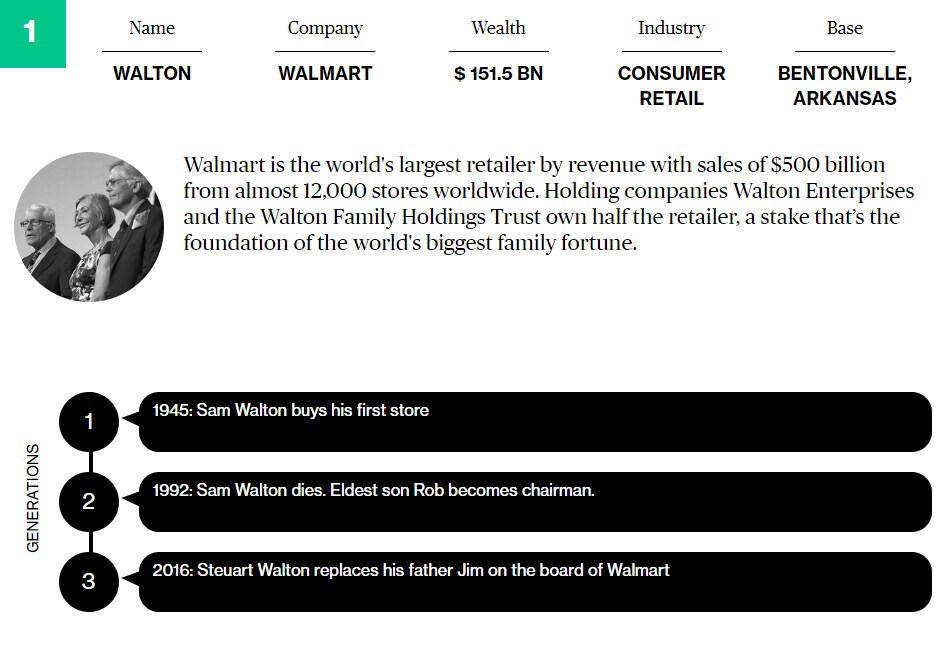
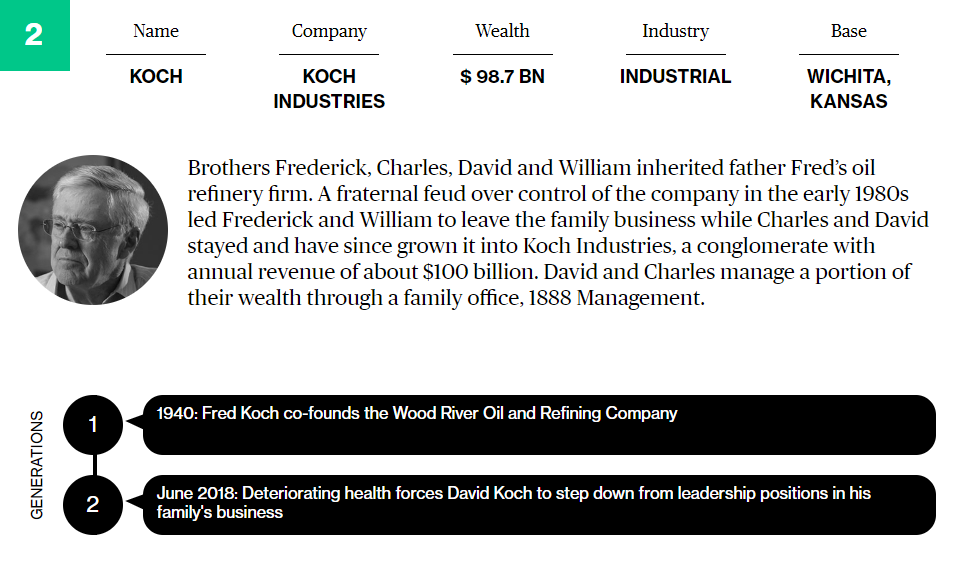
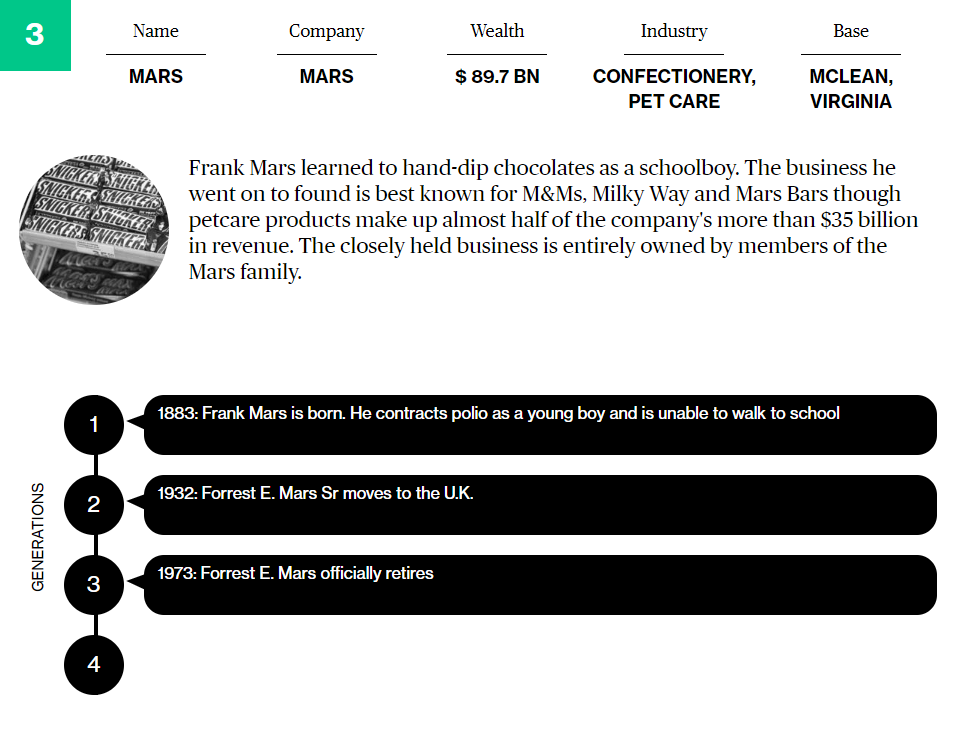
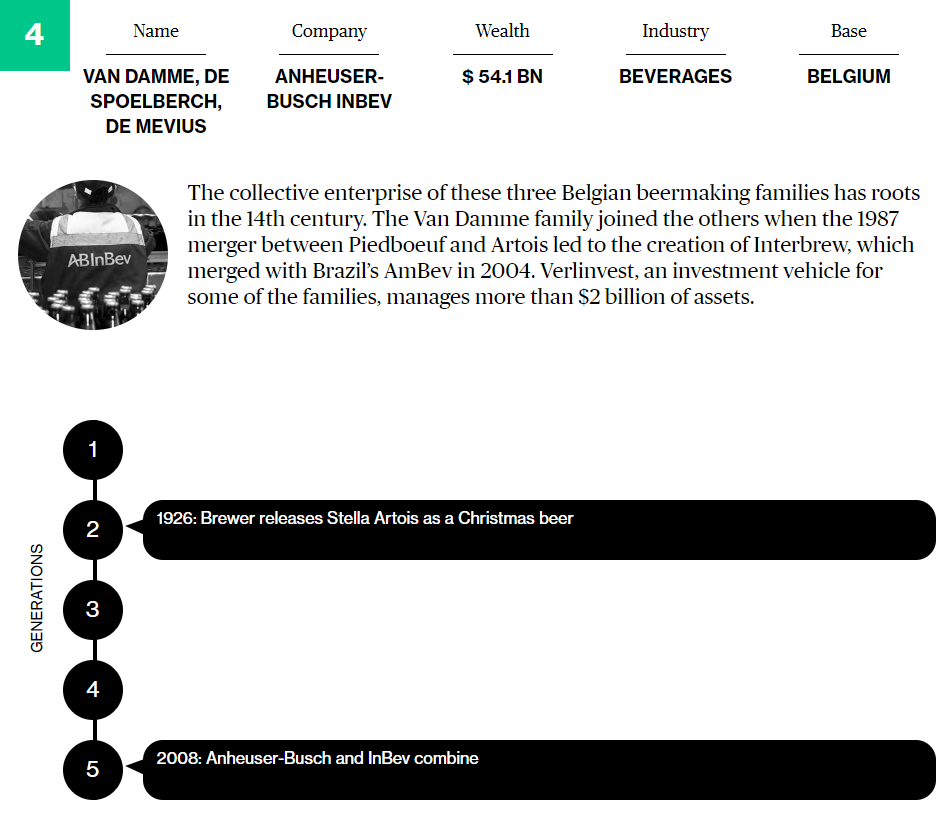
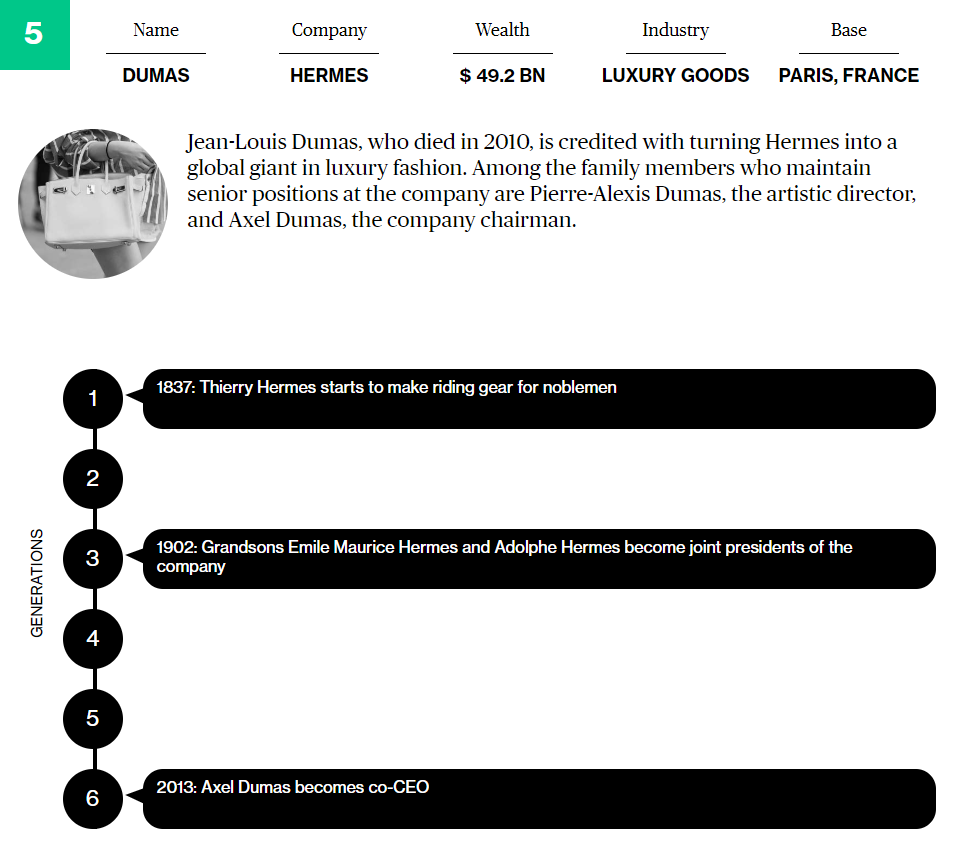
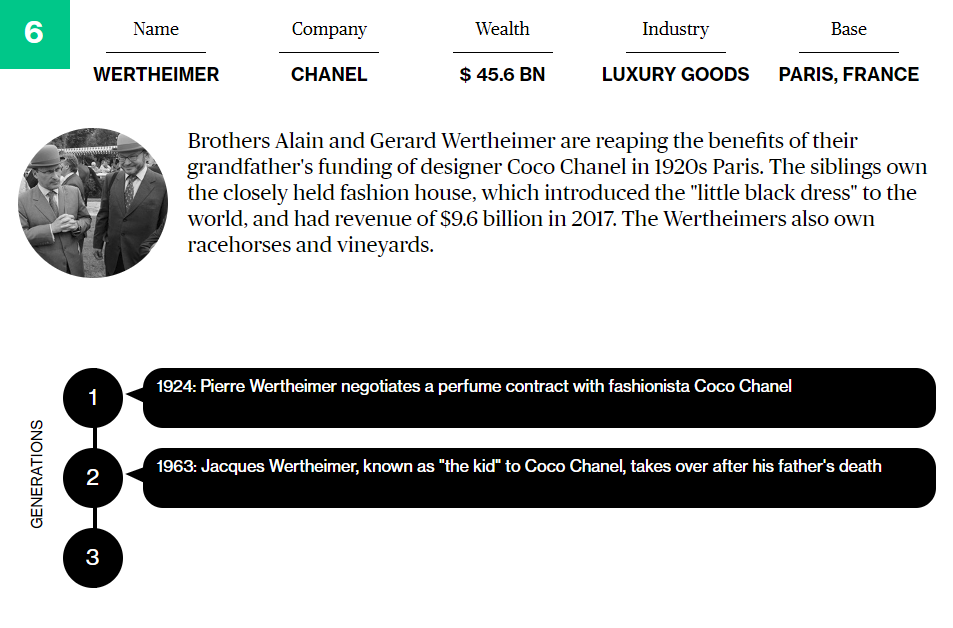
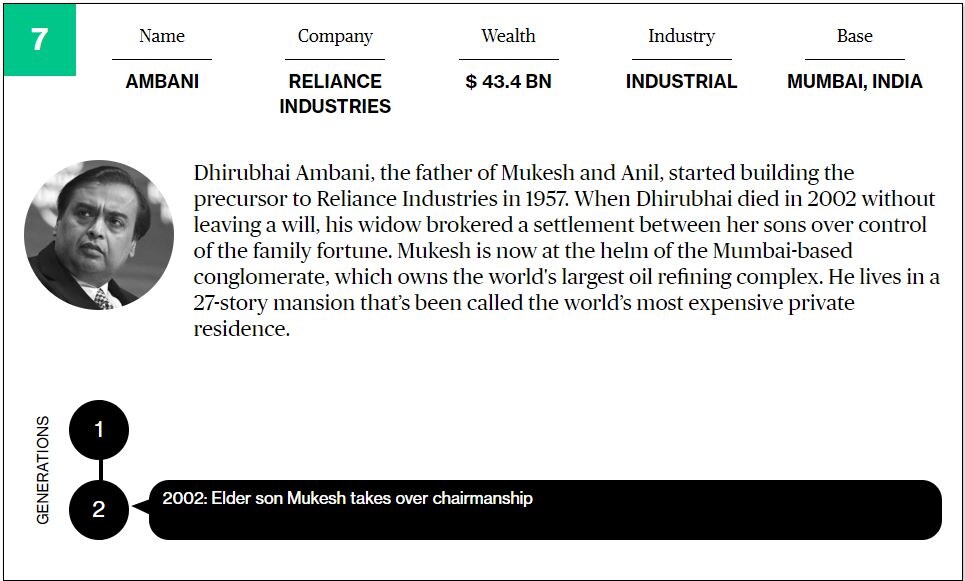
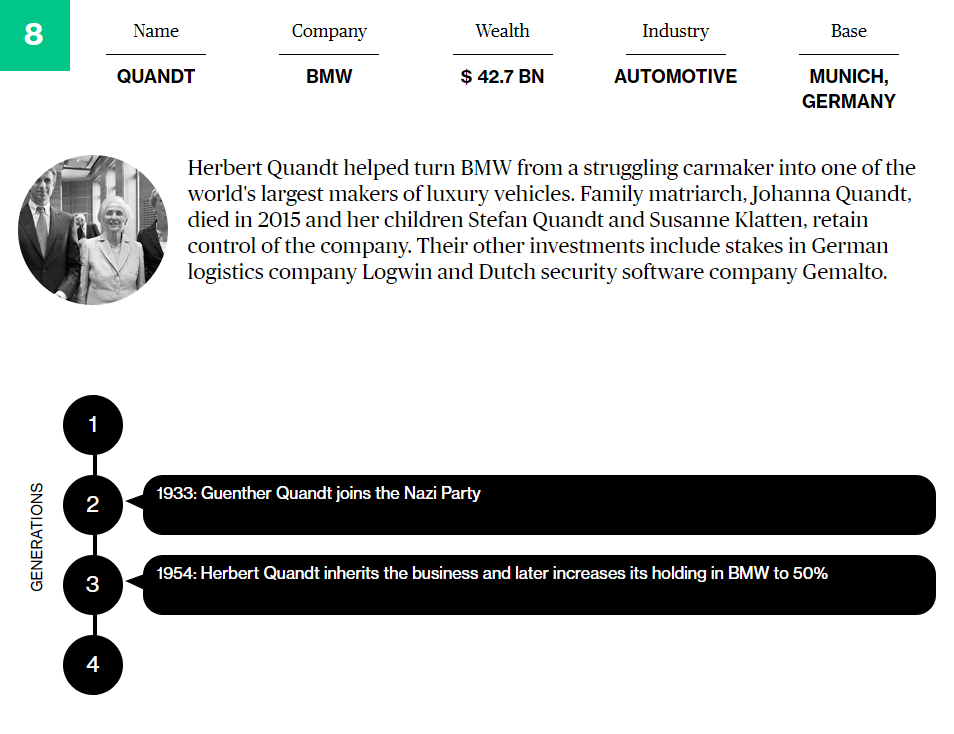
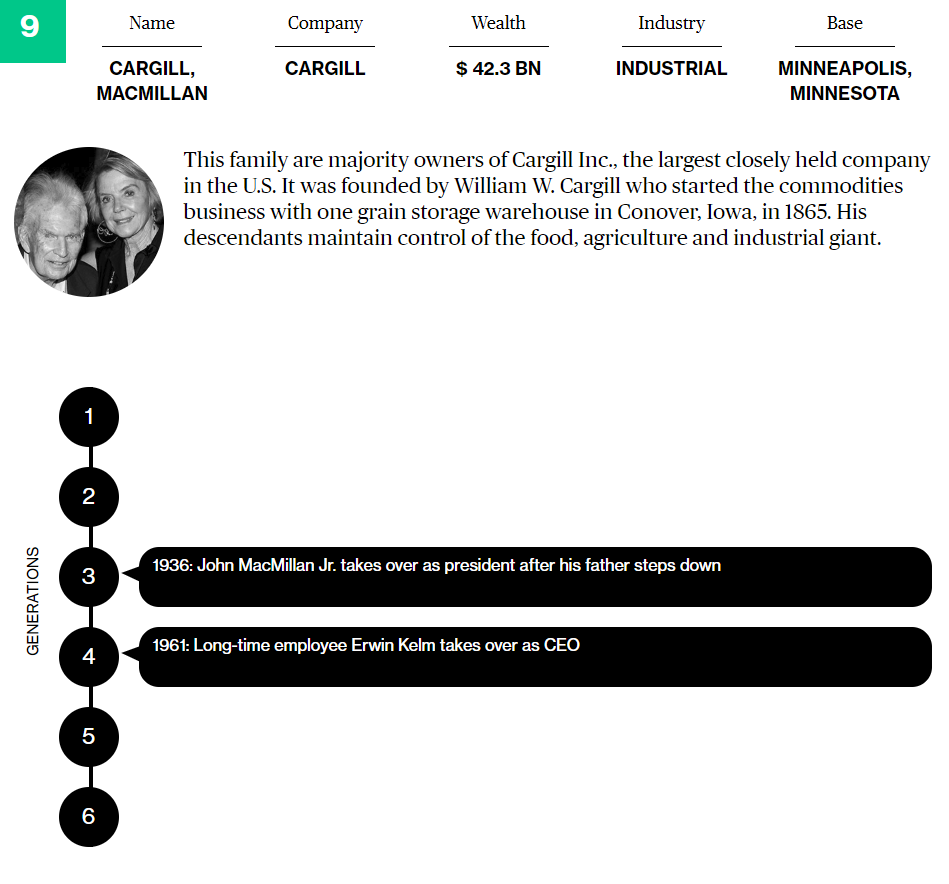
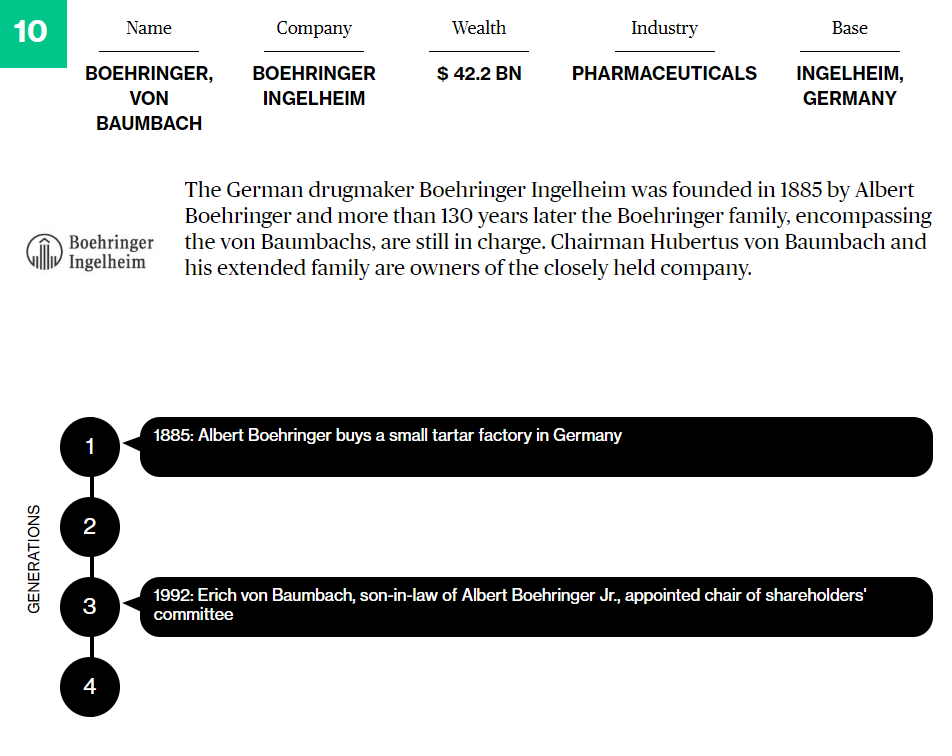
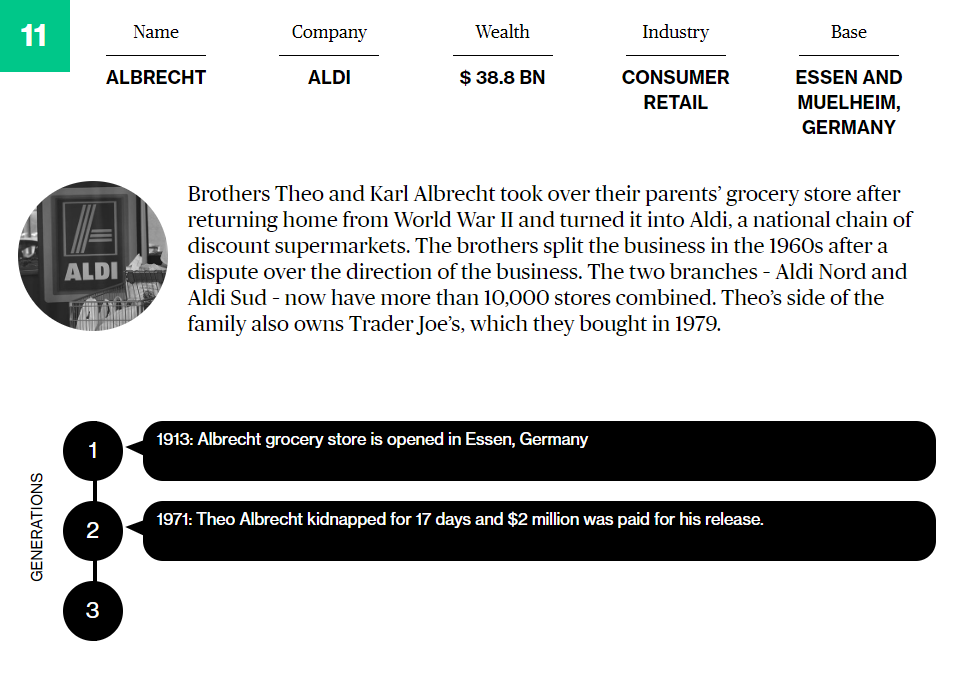
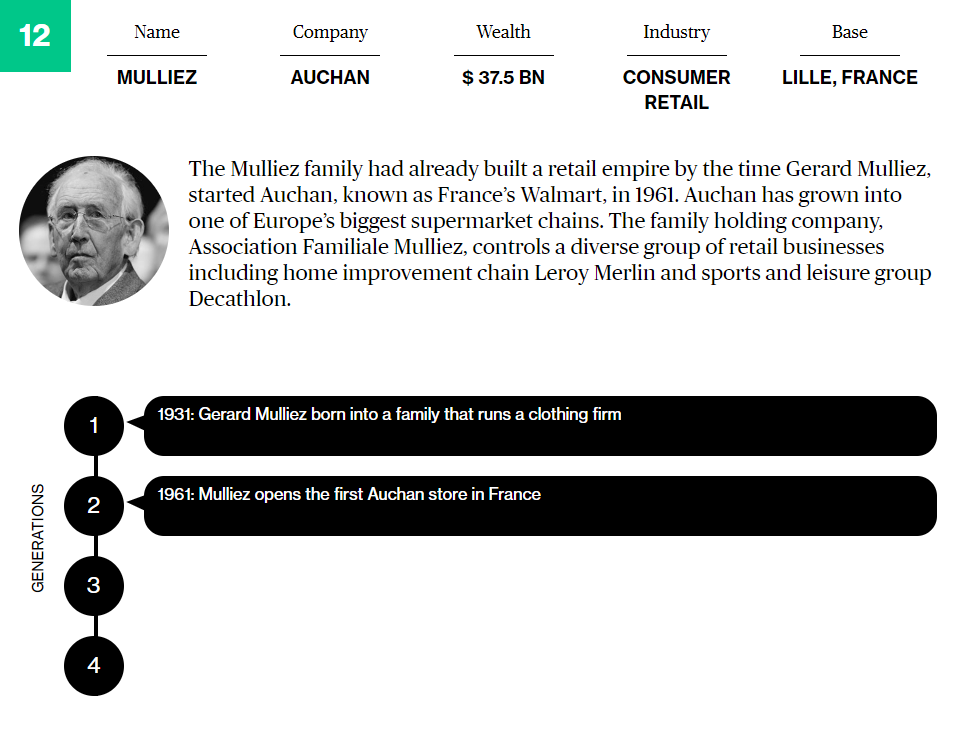
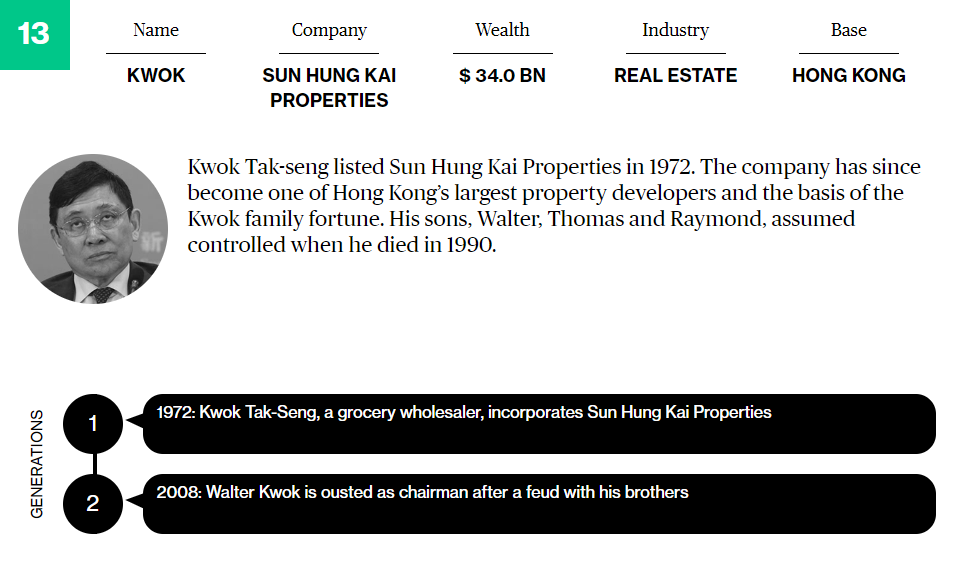
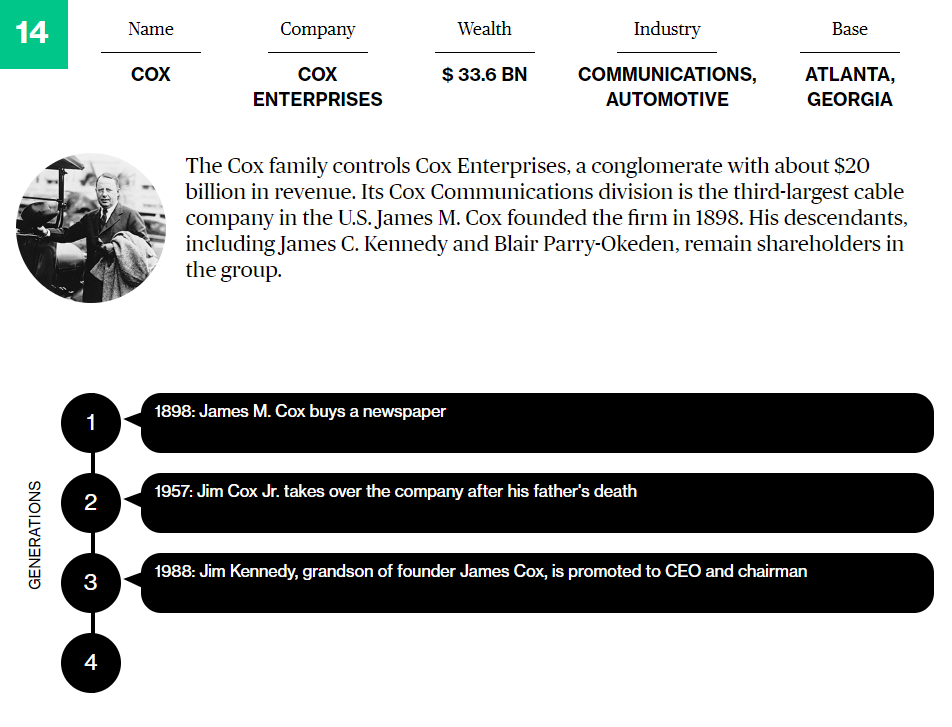
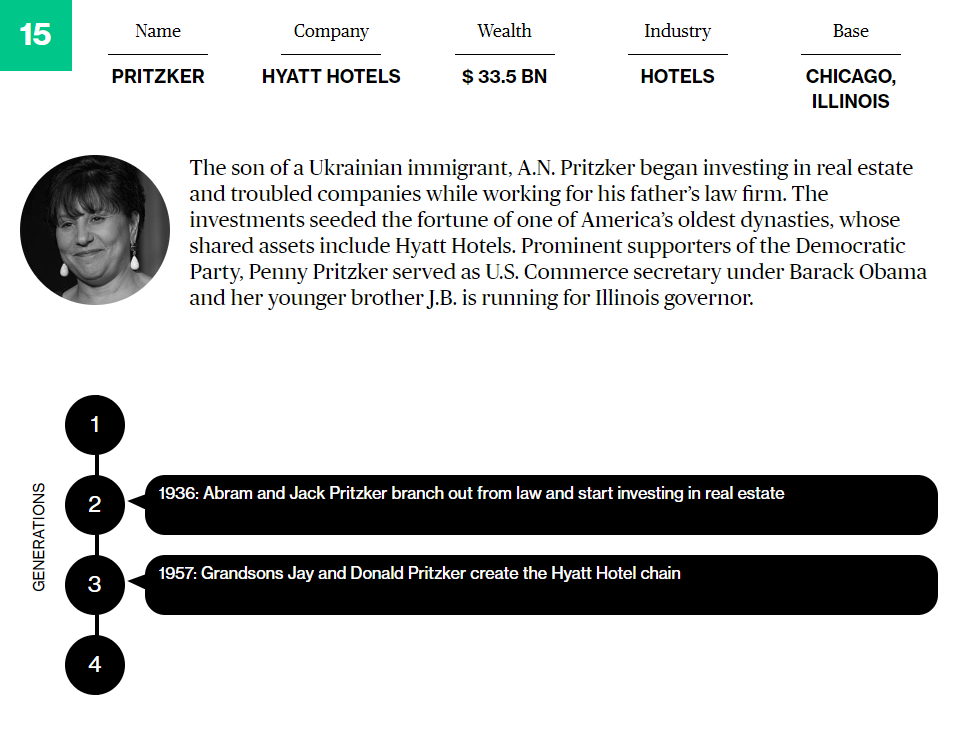
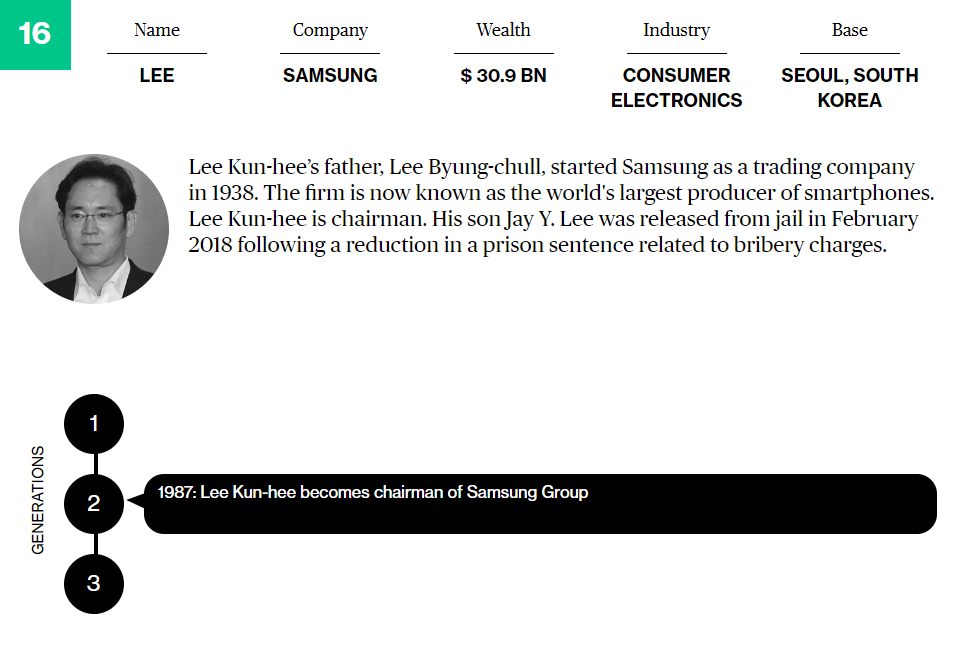
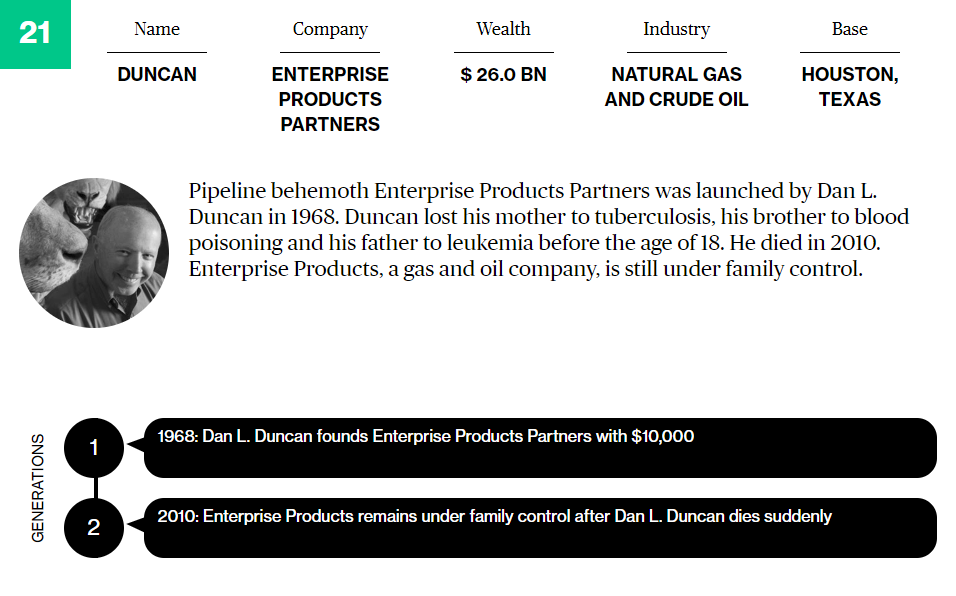
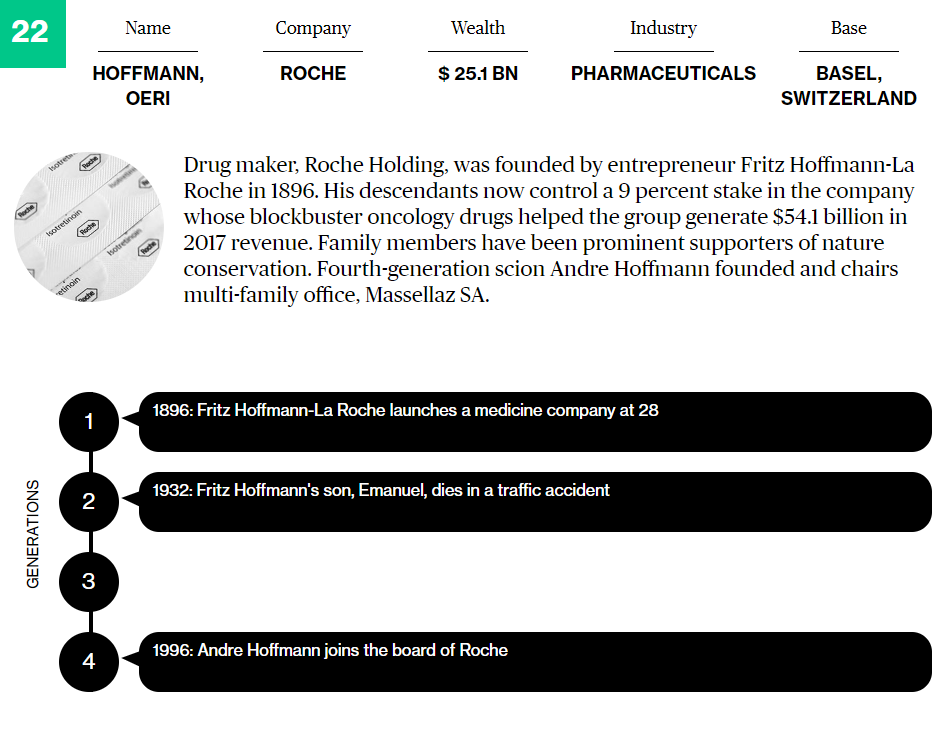
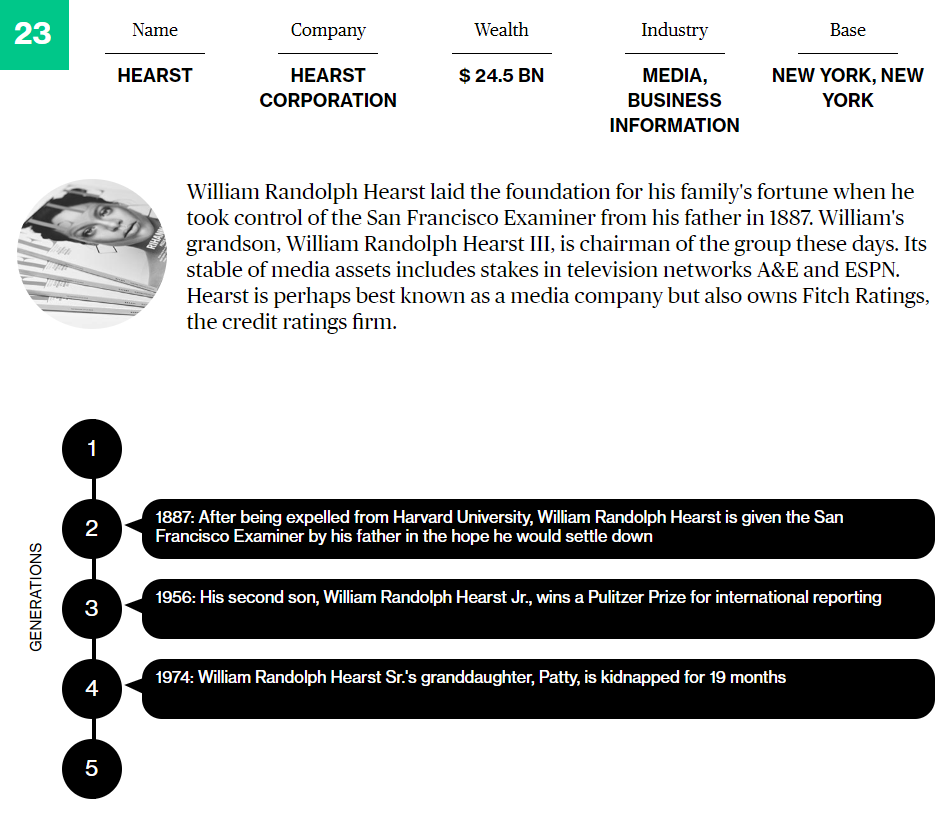
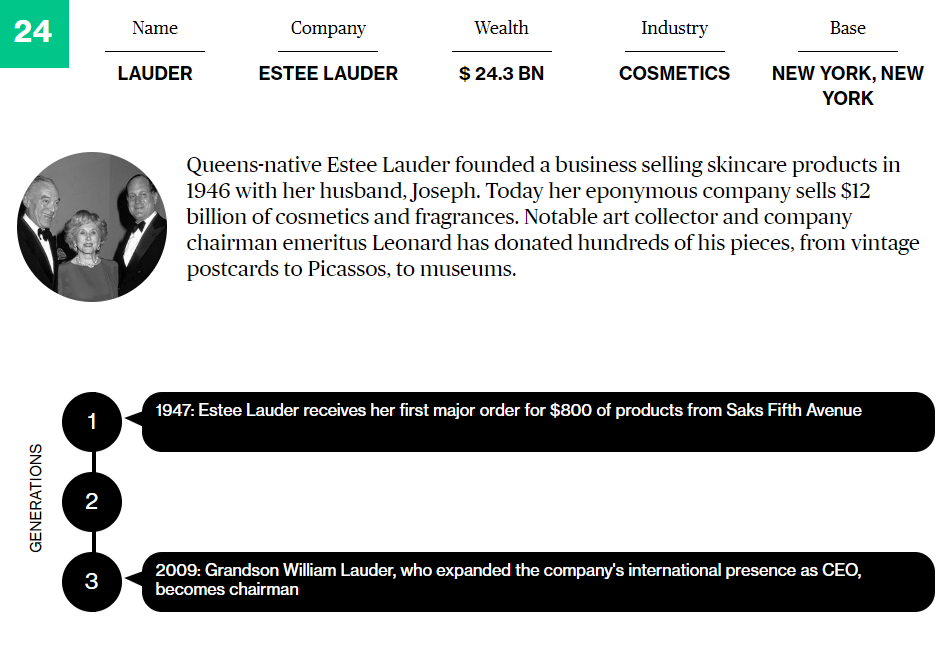
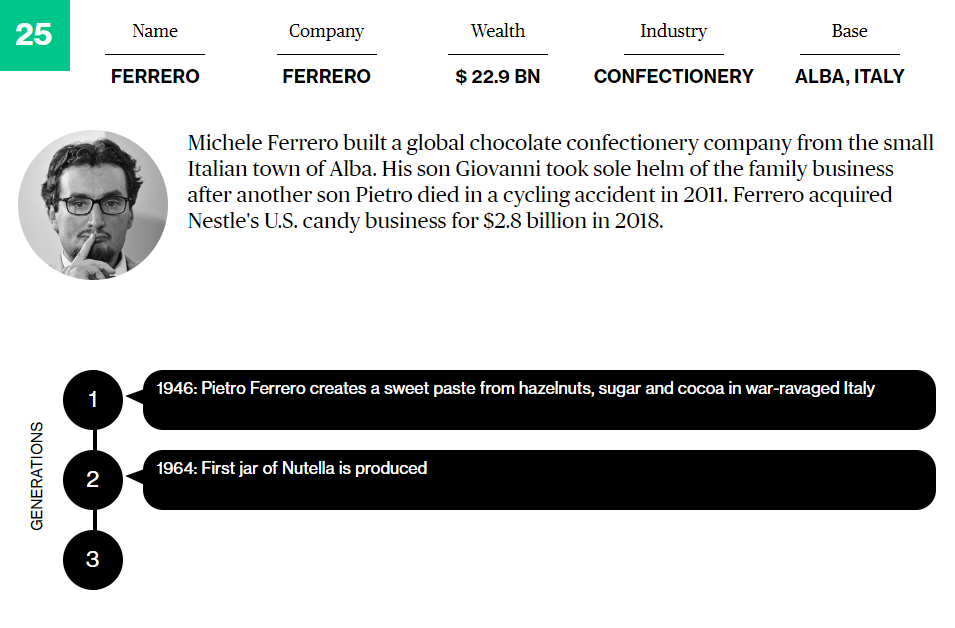
But in an era of mind-boggling wealth and gaping inequality there seems little danger of that happening any time soon to the world's 25 richest clans, who control $1.1 trillion of wealth (see below graphic), according to data compiled by the Bloomberg Billionaires Index.
From Mars bars to Hermes scarves, supermarkets to hotels and data firms to drug makers, the source of this wealth is varied and its scale is startling: more than the market cap of Apple Inc., all the deposits held by Citigroup Inc. or the entire GDP of Indonesia.
And any calculation is likely to be a lowball figure. The wealth of families like the Rothschilds or Rockefellers is too diffuse to value. The nature of many dynastic fortunes — backed by decades and sometimes centuries of assets and dividends — can obfuscate the true extent of their holdings. Clans whose source of wealth is currently unverifiable or derives primarily from the state, such as the sprawling House of Saud, are also absent.
Bloomberg's categorization of family wealth also excludes first-generation fortunes and those in the hands of a single heir. That means just three Asian families make the list and none from China, reflecting the relatively recent wealth boom experienced by the region. That should soon change. Family offices are proliferating in the region and tycoons like Li Ka-shing are starting to hand over their empires to their sons and daughters.
The dwindling of once-storied fortunes like the Pulitzers, Vanderbilts and Woolworths illustrate how common it is for even the biggest family fortunes to be squandered. “There are a host of hurdles families must tackle to ensure that their wealth is safeguarded through the generations,” said Rebecca Gooch of Campden Wealth. “Strategic planning, education and communication is key.”
Some billionaires are taking a different tack. Bill Gates and Mark Zuckerberg are among the entrepreneurs who have signed up for Warren Buffett's Giving Pledge and committed to dedicating the majority of their wealth to philanthropy.
This approach embodies another Carnegie dictum: “To spend the first third of one's life getting all the education one can. To spend the next third making all the money one can. To spend the last third giving it all away to worthwhile causes.”
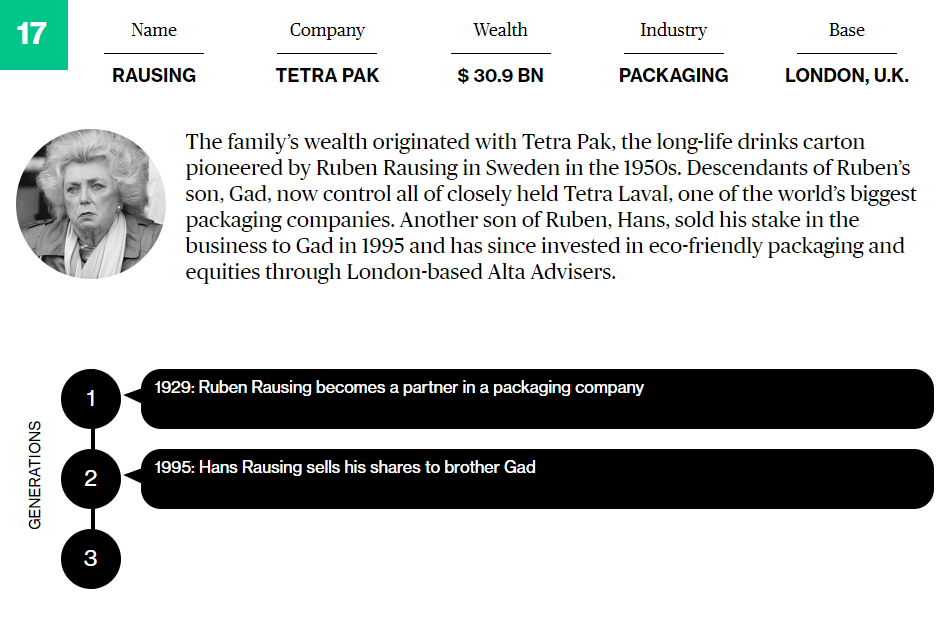
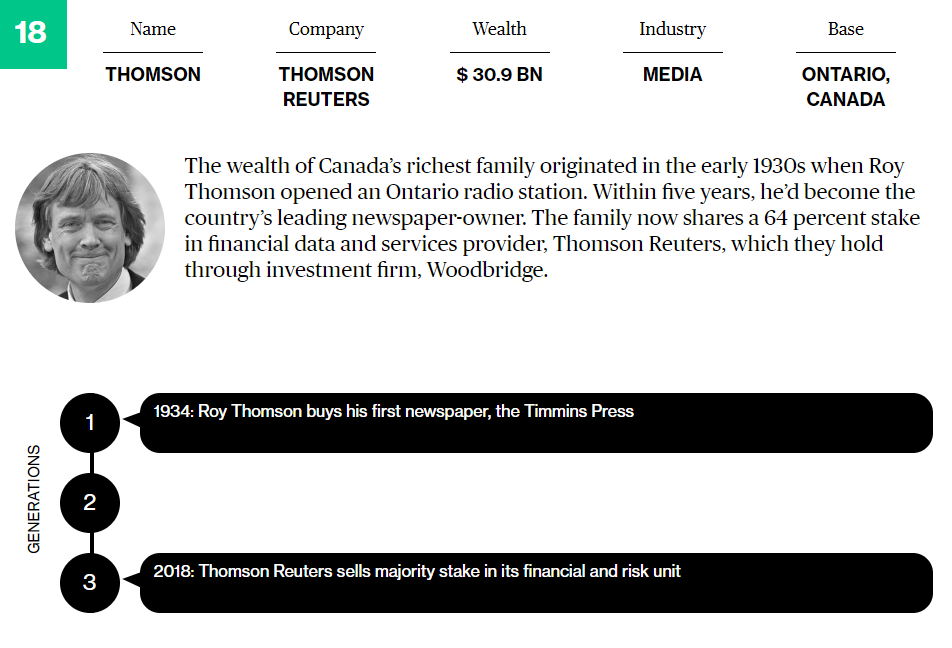
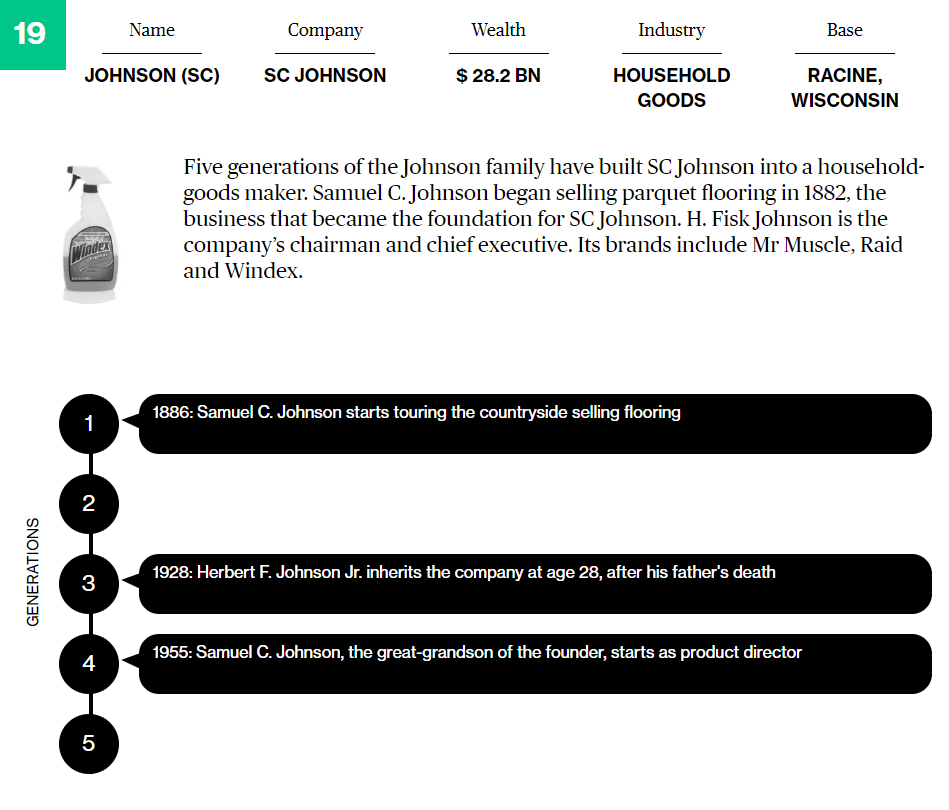
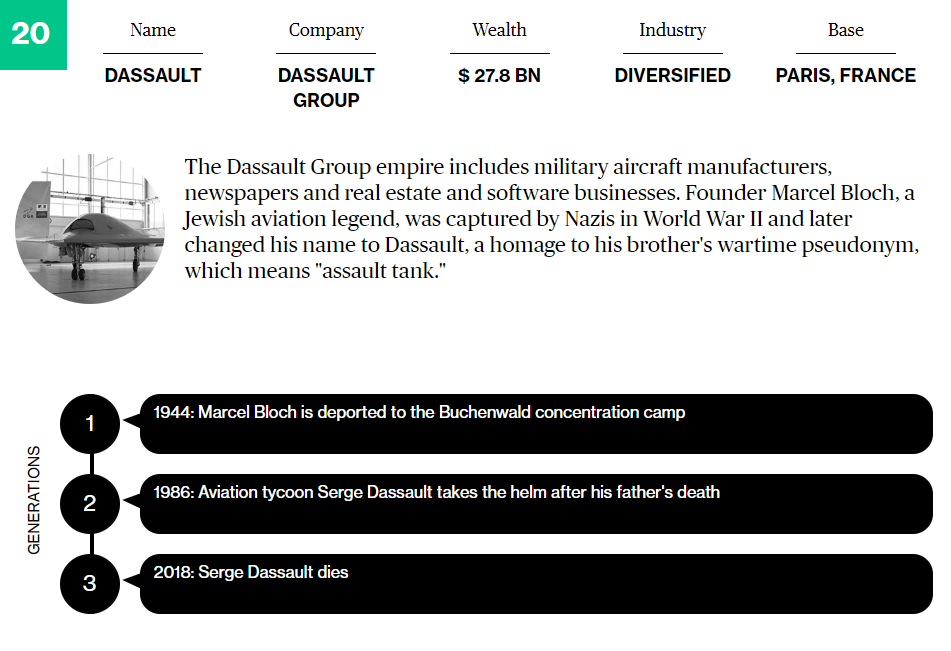
Methodology
Net worth figures are as of June 15, 2018. The ranking excludes first-generation fortunes and those fortunes controlled by a single heir. Clans whose source of wealth is derived primarily from the state are also excluded.
Edited by Shelly Hagan, Andrew Heathcote, Tom Metcalf, Devon Pendleton, Olivia Carville, Yoojung Lee.
Photos: Getty Images
©2018 Bloomberg L.P.

-
Talking Points This Week: Tech Nerves, FII Buying, And A Faraway Banking Shock

The global markets are not shining this Diwali. The exception in the large markets is, India.
-
Midterm Rally Lasted A Day. The Hard Reality Of A Divided US May Last Two Years | Opinion
Between a contested AI boom, a debt ceiling that arrives in 2027 and a president with every incentive to act alone, the next two years may prove more volatile than the first day's rally suggests.
-
Blue Wave Will Derail the AI Trade but Won't Dismantle the AI Era | Unhedged Position
The Democrats' sweep of the US Congress will see politics collide with economic forces both over the long and short term.
-
It's Time To Take The GST Council's Bet On Trust Global
Payment records can prove India's services exports, and clear, proportionate rules can bring foreign digital sellers into the tax net.
-
Opinion | India at 38: From Innovation Overperformer to Innovation Powerhouse
India now has 453 VC-backed deep science startups, 18 of them late-stage, after 117 percent growth since 2020. Laurus Labs, at USD 9.3 billion, is the most valuable deep science company in any middle-income economy outside China.
-
Navigating Energy Crossroads: S Jaishankar's Call For Diversified Supply Chains At G20 Ministerial Meeting
As geopolitical fault lines continue to test maritime trade routes and commodity flows, Jaishankar's message remains pertinent: true economic resilience requires open markets, protected transit lines, and a genuine commitment to multilateral cooperation rather than coercion.
-
Indians Are Travelling, But Not Every Journey Is A Holiday | The Week In Whys
Pilgrims, patients and working women are the real travellers, and the system hasn't quite caught up with them.
-
Getting To Work Costs Women More | The Reason Why
It is not just about women paying more than men. It is about women paying much more in cities than in villages.
-
AI Bias In Investing Cannot Be Eliminated, But It Can Be Governed
Framing is a particularly important example as identical financial information presented in terms of gains rather than losses can lead an LLM to reach a different assessment.









