Falling Solar Costs Offer Hope For Power-Deprived Bangladesh
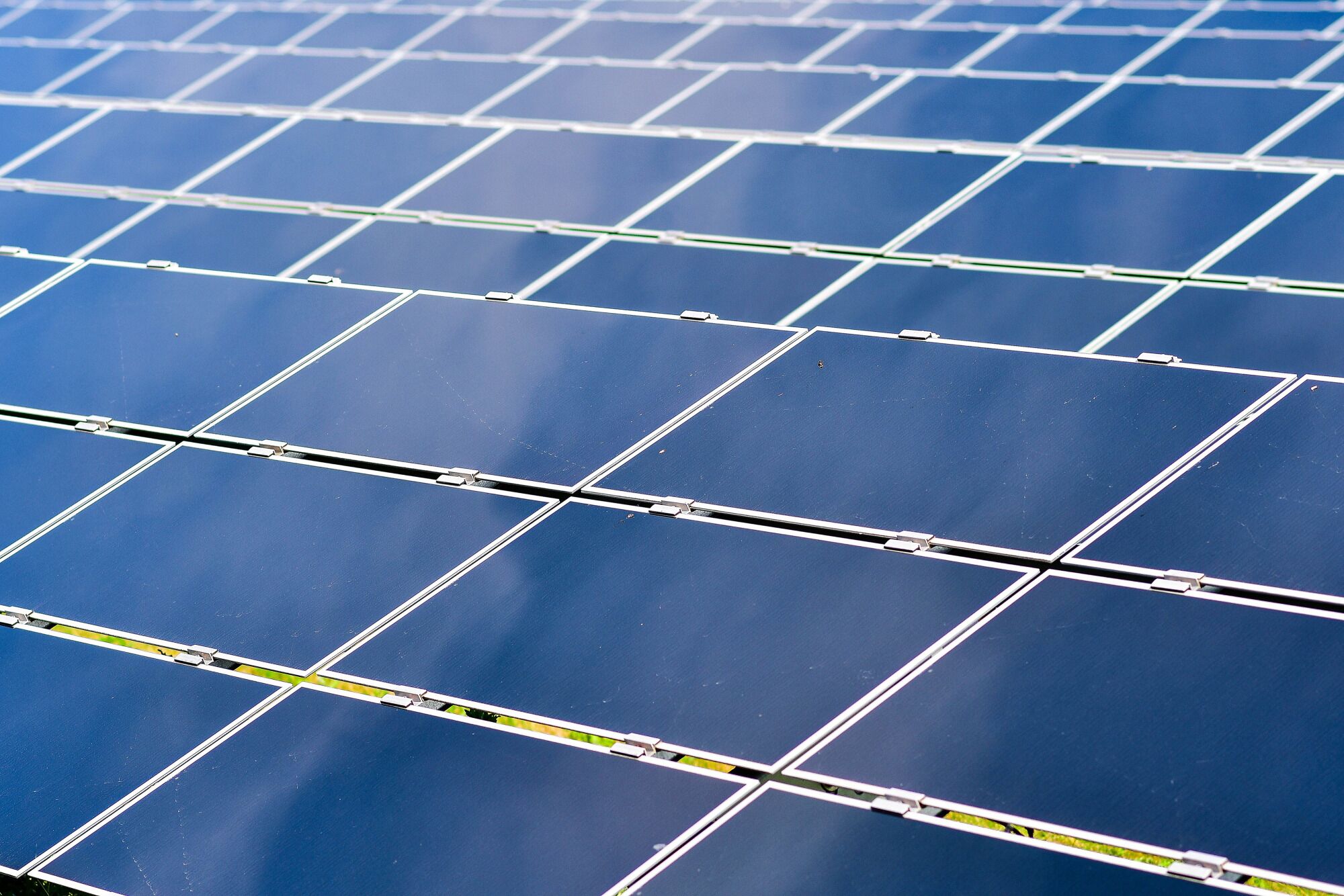
(Bloomberg) -- Falling solar power prices can help ease an energy crunch in Bangladesh, where an over-dependence on fossil fuels has drained foreign-exchange reserves and jeopardized electricity supplies, BloombergNEF said in a report.
Solar on its own is set to become the cheapest source of power in the South Asian nation by 2025, thanks to declining technology prices, BNEF said in the report published Monday. By the end of the decade, solar plus batteries, which will be crucial to displace fossil fuels, will be cheaper than new coal or gas power plants, it said.
That could help Bangladesh, where 97% of electricity is generated from fossil fuels, to decarbonize. But instead, the nation is still planning more coal- and gas-fired generation and is counting on more of the relatively cleaner gas to help reduce emissions.

The South Asian nation is heavily reliant on gas, which accounts for around half of its electricity mix. Gas-fired power production was historically supported by the nation's domestic reserves, but these are now depleting making it dependent on imports.
Russia's invasion of Ukraine last year highlighted the dangers of a reliance on overseas gas as prices skyrocketed, leading to rolling blackouts in Bangladesh and the shutdown of a major thermal power plant. The impact of Covid-19 and the country's rising energy import bill also drained foreign-currency reserves, increasing the urgency to diversify the energy portfolio.
Read More: Bangladesh Seeks $900M in Loans from ITFC for Energy Imports
“By limiting thermal power plant additions and deploying more renewables, Bangladesh can bring down energy costs and emissions while improving the country's energy security,” said BNEF analyst Isshu Kikuma. “Investing in renewables can create more opportunities and support the country's economic growth.”
To limit emissions, the country is exploring co-firing coal power plants with ammonia and blending hydrogen with natural gas. Both these technologies will burden the economy, according to BNEF, while solar is becoming a truly affordable and climate friendly option.
--With assistance from David Stringer.
More stories like this are available on bloomberg.com
©2023 Bloomberg L.P.

-
Where You Live Shapes How You Get To Work | The Reason Why

Two-wheelers are the most popular way to get to work in India, accounting for nearly 43% of workplace commutes.
-
High US Salaries, No Green Card Certainty: The Financial Calculation Facing Indian H-1B Families
The suspension of PERM processing at eight technology employers does not cancel existing H-1B visas. What it does is force a question many Indian families have been avoiding: is the US salary worth tying your career and family plans to one employer?
-
Unhedged Position: Can India See An Indonesia-Style Time Correction?
The Nifty is trading below levels it first clocked in 2024. Is there, then, as I have suggested in the headline, potential that the current time correction drags on painfully for the next three-five, even ten years?
-
Navigating Friction And Energy Realities: An Analysis Of Marco Rubio's October Visit To India
Occurring at a critical juncture marked by stalled trade negotiations and escalating geopolitical pressures over global energy supplies, the visit offers a profound window into modern US-India relations.
-
India Exports Capital. Why Not Export Trusteeship?
The big question, then, is whether India can build an institution that global borrowers, investors, banks, and lawyers can trust, even without an Indian connection.
-
France's Economy & Politics Are In Crisis | The Reason Why
Let's look at how the French economy and politics evolved under Nicolas Sarkozy, Franois Hollande and Emmanuel Macron.
-
You May Inherit The Business. You Must Earn Its Credibility.
Succession tests the founder's ability to share authority as much as it tests the next generation's readiness to assume it.
-
Signing Deals Is One Thing; Making Them Work Is Another | The Week In Whys
Sometimes, things don't turn out as planned. Indian companies have lost some bids to rivals, some projects won't produce until 2030.
-
FOMC Wall, PERM Suspension, Hospital Stocks | Talking Points This Week
A PERM suspension would directly affect green-card sponsorship rather than H-1B visas, so the near-term earnings impact could remain relatively limited. The key question is whether this marks a new phase in US scrutiny of Indian IT.
-
Everything, Everywhere, All At Once: Dalal Street's Week To Forget | Joining The Dots
Visa curbs, a Starlink spat and cancer drug caps: what connects this week's shocks for Indian markets









