Excess Capacity Makes Airfares Cheaper Than Rail Tickets To These Indian Cities
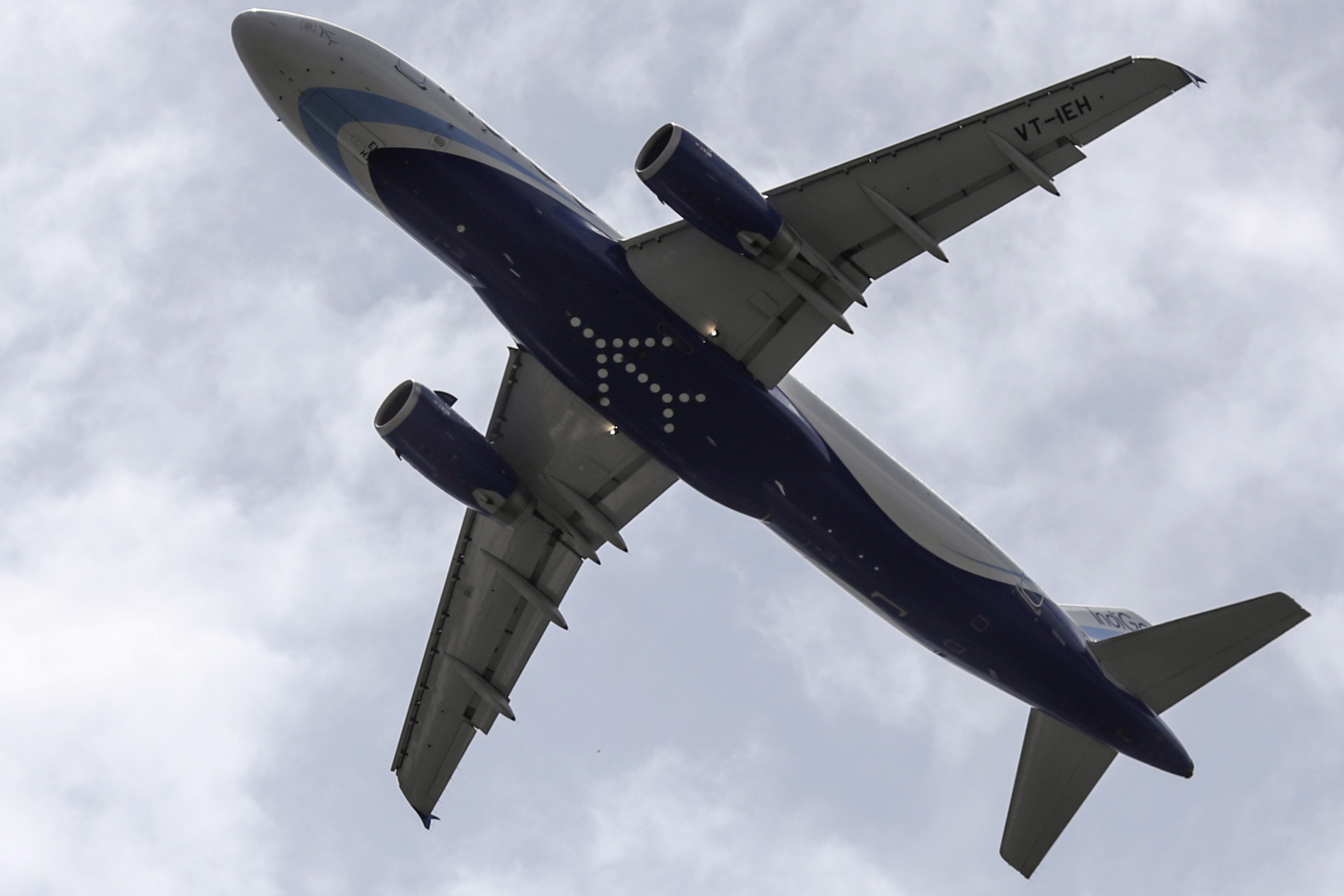
Autorickshaw rides, according to Union Minister Jayant Sinha, are more expensive than air travel by cost per kilometre. That may be hyperbole, but cheap airfares have inflicted pain on carriers when fuel prices surged.
How cheap is air travel? Cheaper than train rides at least. An air ticket for a Mumbai-Delhi bound flight may cost as low as Rs 2,200 if booked 15 days in advance, according to data compiled by BloombergQuint from MakeMyTrip, as of 2:00 p.m. on Sept. 5. That compares with lowest fare of Rs 2,400 charged by the Indian Railways, for air-conditioned travel, according to data compiled from Indian Railway Catering and Tourism Corporation. Similarly, cheapest air tickets cost lower than Mumbai-Kolkata rail ticket prices.

Excess seat capacity is behind low airfares. For the domestic aviation market, the available seat kilometre—the number of seats available multiplied by the number of kilometres flown—grew more than 30 percent in less than two years. That led to a double-digit growth in air passenger traffic in the world's fastest growing aviation market.
But increased competition meant airlines couldn't increase fares with rising demand. Higher crude only made it worse. Prices of aviation turbine fuel, which contribute more than a third of an airline's costs, rose 27.4 percent over the last year in India. That coupled with a weakening rupee eroded profit margin of domestic airlines.
Low fares aren't sustainable due to rising input costs, Rahul Bhatia, co-founder and interim chief executive officer of InterGlobe Aviation Ltd., operator of IndiGo, told analysts in a conference call. The airline's net profit was nearly wiped out in the quarter ended June on rising fuel prices, competitive fares and foreign exchange loss.
Yet, India's largest carrier is behind the capacity surge that has in part pulled fares down. IndiGo contributed most of the fresh capacity added Indian airlines. In the last two years, the country's largest airline added over 10 lakh seats—more than the combined seats added by Air India Ltd., Jet Airways (India) Ltd. and Spicejet Ltd.
And it's expected to rise more as IndiGo continues to add A320 neo and smaller turboprop ATR aircraft to its fleet. The number of seats available on the airline, including international flights, is expected to increase 28 percent year-on-year for the ongoing September quarter and 25 percent for the full year.

-
High US Salaries, No Green Card Certainty: The Financial Calculation Facing Indian H-1B Families

The suspension of PERM processing at eight technology employers does not cancel existing H-1B visas. What it does is force a question many Indian families have been avoiding: is the US salary worth tying your career and family plans to one employer?
-
Unhedged Position: Can India See An Indonesia-Style Time Correction?
The Nifty is trading below levels it first clocked in 2024. Is there, then, as I have suggested in the headline, potential that the current time correction drags on painfully for the next three-five, even ten years?
-
Navigating Friction And Energy Realities: An Analysis Of Marco Rubio's October Visit To India
Occurring at a critical juncture marked by stalled trade negotiations and escalating geopolitical pressures over global energy supplies, the visit offers a profound window into modern US-India relations.
-
India Exports Capital. Why Not Export Trusteeship?
The big question, then, is whether India can build an institution that global borrowers, investors, banks, and lawyers can trust, even without an Indian connection.
-
France's Economy & Politics Are In Crisis | The Reason Why
Let's look at how the French economy and politics evolved under Nicolas Sarkozy, Franois Hollande and Emmanuel Macron.
-
You May Inherit The Business. You Must Earn Its Credibility.
Succession tests the founder's ability to share authority as much as it tests the next generation's readiness to assume it.
-
Signing Deals Is One Thing; Making Them Work Is Another | The Week In Whys
Sometimes, things don't turn out as planned. Indian companies have lost some bids to rivals, some projects won't produce until 2030.
-
FOMC Wall, PERM Suspension, Hospital Stocks | Talking Points This Week
A PERM suspension would directly affect green-card sponsorship rather than H-1B visas, so the near-term earnings impact could remain relatively limited. The key question is whether this marks a new phase in US scrutiny of Indian IT.
-
Everything, Everywhere, All At Once: Dalal Street's Week To Forget | Joining The Dots
Visa curbs, a Starlink spat and cancer drug caps: what connects this week's shocks for Indian markets
-
India Is Going Abroad For Critical Minerals. But It May Take Years To Pay Off | The Reason Why
Although India's steps are in the right direction, they remain modest compared with India's growing dependence.









