In Essar 2.0 Ruia Will Opt For ‘Cautious And Conservative’ Investments
In Essar 2.0 Ruia Will Opt For ‘Cautious And Conservative’ Investments
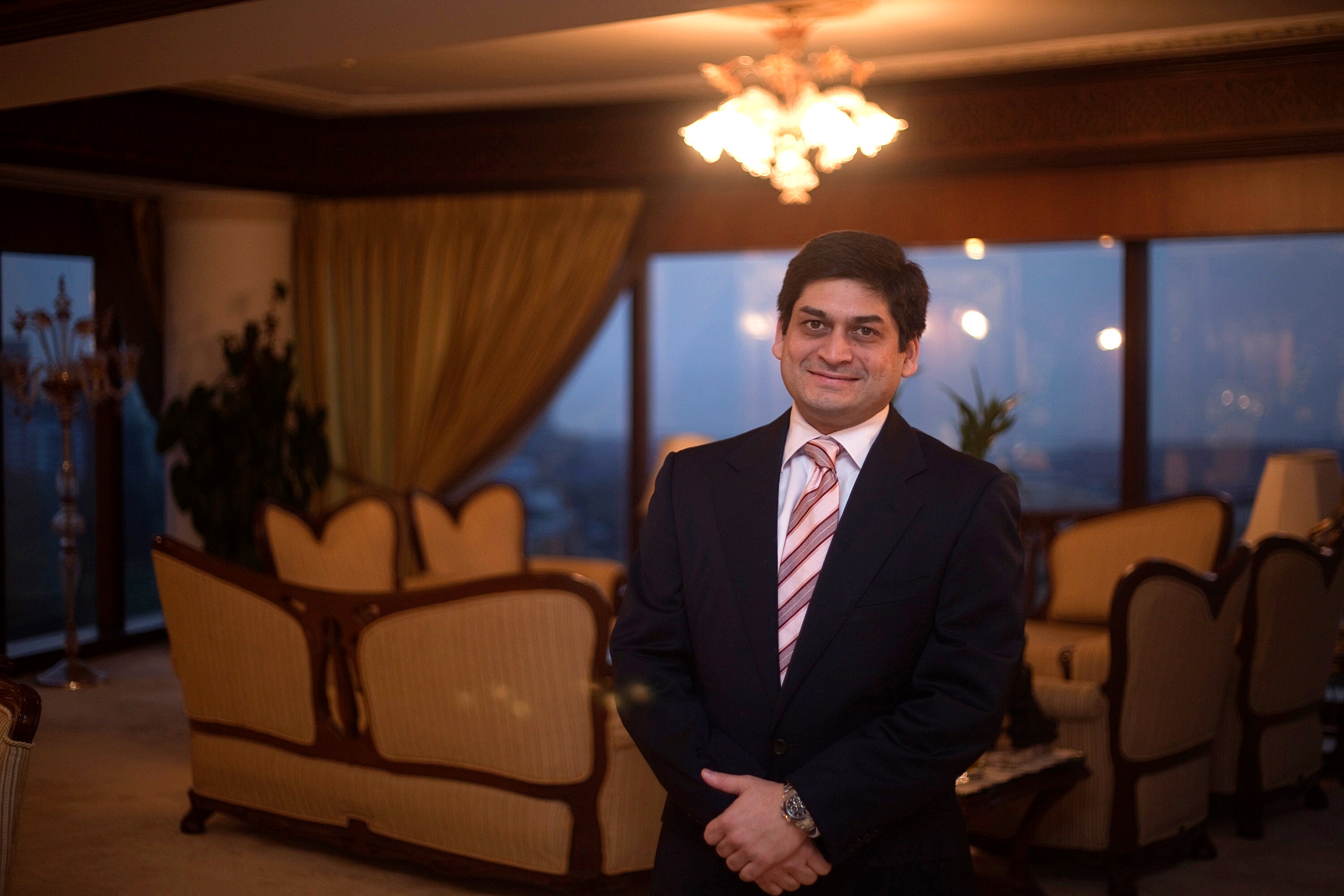
Prashant Ruia, director of Essar Capital, poses for a photograph. (Photographer: Prashanth Vishwanathan/Bloomberg)

The Essar Group will act with prudence on future investments after the Ruia family-run conglomerate sealed what it calls the biggest deleveraging deal in the country.

"When we go forward, we will be cautious and a lot more conservative", Prashant Ruia, director of Essar Capital, told BloombergQuint in an interview. The group will continue to focus on the infrastructure sector, on which it has made ‘big bets' in the past. “We have some unique abilities to build and create assets from scratch”, he added.

The Essar Group hit an important milestone on August 21 as it completed the $12.9 billion sale of Essar Oil to a Rosneft-led consortium. The deal which wipes off almost half of Essar's debt at the group level, will also allow it to now focus on the struggling steel business. Essar Steel owes its creditors more than Rs 45,000 crore and is facing insolvency proceedings after being included on the Reserve Bank of India's list of 12 companies.

Also Read: Essar Steel Insolvency: Sufficient Firepower To Retain Control, Ruia Says

Ruia attributed the debt pile-up to difficulty in foreseeing some of the risks involved in those projects, and not bad investment decisions.

Will the group, which is now largely privately-held, return to the public markets at some point? Ruia said an exit from the public market was not a ‘decided decision' but added that it is difficult for a company to go public when its main assets are greenfield assets.

  • Essar Energy (LSE) Delisting: 2014
  • Essar Ports Delisting: 2015
  • Essar Oil Delisting: 2015
  • Essar Steel Delisting: 2015
  • Essar Shipping: Remains listed


Here are edited excerpts from the conversation.

Over the last few years, your group has gone decidedly private. Was that because you lost faith in public markets? Was it because you just found it easier to be privately held? After all, Essar Oil was a labour of love. You fought big corporate giants to build that project.

The delisting was part of the process which just culminated. It was driven by this process of trying to find a buyer. Since our public float was very small, that would be a huge distraction for any investor.

It was not decided decision. Our public shareholding wasn't very large. In most companies 75-85 percent was always held by us. Public shareholding was small. Some sectors were going through a difficult patch. Therefore, it made sense to delist. In the case of Essar Oil, it was a process which led to this. Shareholders got the full benefit of that.

When did you list the global company Essar Energy on London Stock Exchange?

In 2010.

When did you delist it?

Two years ago. Look, the thing which changed was the way investors were looking at India when we were going through a difficult regulatory process in the power sector. That made their valuation of the company and their ability to invest more funds into the company difficult. This was in the last two years of the previous government when we went through huge regulatory problems and all international investors were worried about their investments, especially in those sectors. So, this was the reaction to that event. It was not specific to us. Many companies have gone through these problems with their international investors during that time. That was a specific problem, that they became uncomfortable with what was going on at the time. They are comfortable again now because things have changed now. There's a lot more transparency today in the policy which has brought international investors back.

Do you see yourself in the future, when you invest in new businesses, consider going public or will you prefer to remain private?

There is no such decision. If you look at Essar Oil, a company which we started 20 years ago with a market capitalisation of Rs 2,000 crore is today getting valued at Rs 50,000 crore. Yes, we had difficulties along the way. Anyone investing in green field assets in India goes through those difficulties. Public markets don't understand those situations at all times. If the question is, if you are in a green field project, would you consider going to the public, I would think twice. Because in green field projects there is a certain amount of inherent risk and public markets don't necessarily understand that risk fully or are not willing to take that risk fully. However, when you are in an operating business then it's a different ball game. There is no decision as such to not go back to the public market. But, when the company's main asset is a green field asset, then it becomes very difficult going public.

What's the group debt now?

Rs 50,000-Rs 60,000 crore across the various companies at this point of time of which Rs 40,000 is on Essar Steel. Many companies in the group don't have significant amount of debt and some have debt which is asset driven.

Essar features on all the big corporate debt lists. How do you react to that?

Essar has come up on this list because we have made big bets in investing in infrastructure projects in India and have faced certain amount of regulatory problems which we had not identified. Many other groups have had the same issues. For example, in the case of Essar Oil, it didn't have any regulatory problems. We were in a position to complete the expansion in time in 2010. We were in a position to create significant amount of value in those assets, as many other people have done with their assets. It's a function of which projects got caught in regulatory problems.

In hindsight, do you think many of these were not the right bets? You've been mentioned in the “ House of Debt” and other reports repeatedly

House of Debt and those reports merely talk about the debt without looking at the assets and earnings. In hindsight, I don't think that the bets which we took, in terms of assets and investments, where incorrect. Some of the risks which we faced was something which we could not have foreseen. We have learnt from that.

When we go forward we will be a lot more cautious and conservative in the way we look at future prospects.

But you will continue to bet on infrastructure?

The majority of our investments has been in infrastructure. We have some unique abilities to build and create assets from scratch. Very few people in this country have done this successfully. If we are able to ring-fence some of the risk which we have seen in the last 4-5 years then that's a tremendous asset to have for the future.

This is Essar 2.0 then?

We have certainly now completed the previous phase and we are looking at the next phase and we are excited about it.


Also Read:
‘No Scope For Essar Steel To Repay Its Debts For 25 Years,' Says NCLT

Unlock this article for free
Sign up to access exclusive stories, fewer ads, and a personalised experience.
Set as Trusted Source
on Google Search
Add NDTV Profit As Google Preferred Source









