Energy Efficiency Services Plans Electric Vehicle Rollout In More States
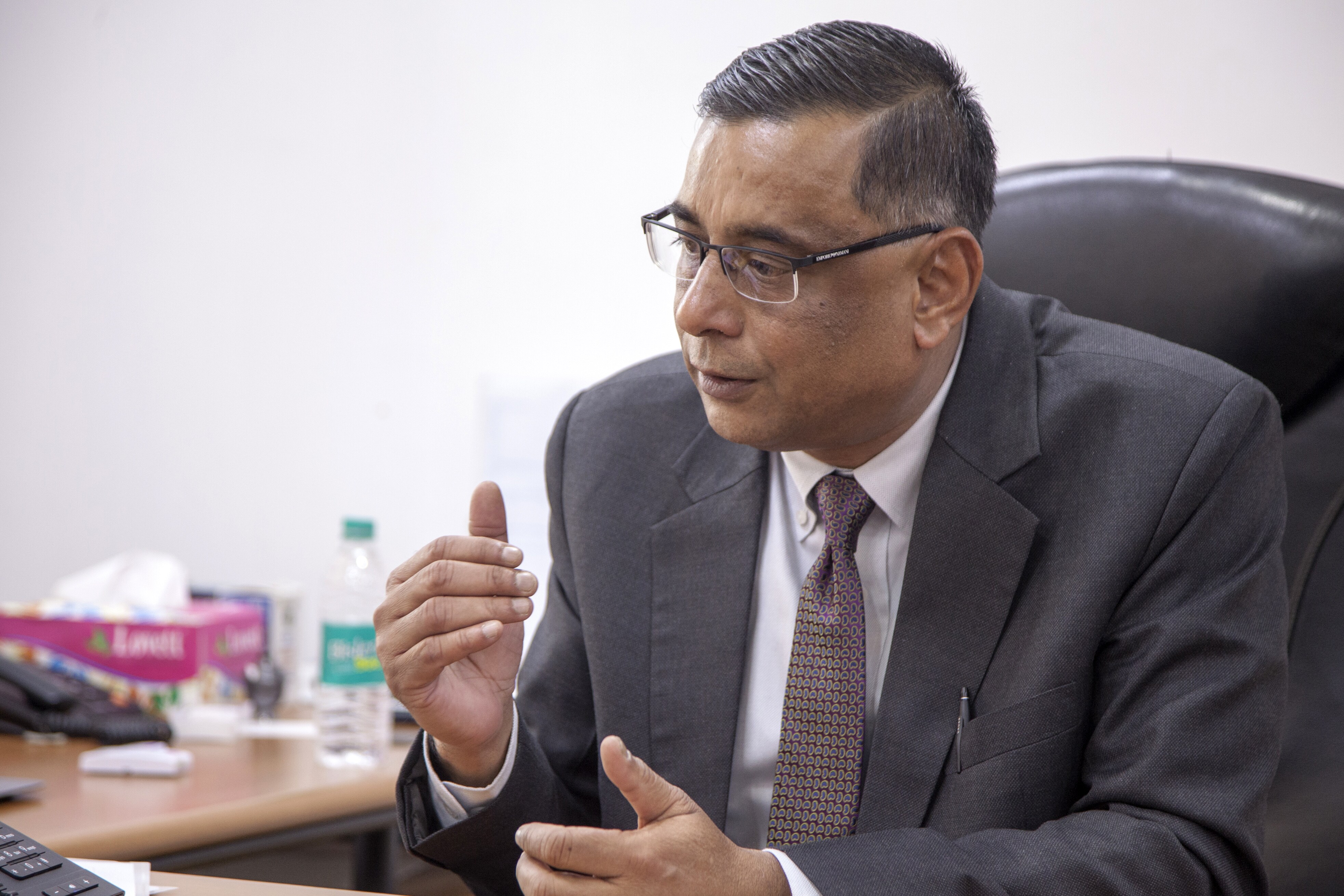
State-backed Energy Efficiency Services Ltd. plans to rollout its electric vehicle programme in more states after rolling out the first phase of green cars in Delhi this month.
EESL, which is tasked with helping the nation reduce emissions, is also the nodal agency for procuring electric cars, as the government wants to replace its entire fleet with electric vehicles by 2030.
It has put up 90 charging stations in the government offices in Delhi and is seeing huge demand from Gujarat, Maharashtra, Andhra Pradesh, Rajasthan, who are keen to roll this out, Saurabh Kumar, managing director, EESL told BloombergQuint in an interview.
We will put up charging infrastructure in the second phase, i.e. by middle of February. Cars in for first phase will be rolled out by Jan 15. In the second phase—9,500 cars will have to come within six months.Saurabh Kumar, MD, EESL
The company also postponed its plans to come out with an initial public offer to the fourth quarter of next financial year from the last quarter of this year.
Here are the edited excerpts from the interview:
EESL has become a visible face in energy efficiency programme. What is the common strategy adopted in procurement programmes?
The common strategy is that we aggregate demand, whether it is electric car, LED bulbs or smart meters. The moment you do bulk procurement, there are economies of scale that reduce overall cost of product or services, and we pass on the cost benefit to the consumer, that's the value addition we bring to the table.
There is a lack of charging infrastructure in India, how will the electric vehicle plan be successful?
If you look at electric mobility, then you need to have charging stations virtually like petrol pumps. But there is a regulatory gap as no one apart from a distribution company can sell or re-sell power. The Ministry of Power has taken the responsibility of doing regulatory changes. Once that happens, regulatory commissions need to decide the terms and conditions for tariffs.
EESL is setting up charging infrastructure for government offices and governments will pay for charging their cars so there is no regulatory infringement. There is no sale or resale of power. We have put up 90 charging stations in the government offices in Delhi. These 90 stations can charge 190 cars simultaneously.
In the mean time, we have received aggravated demand from Gujarat, Maharashtra, Andhra Pradesh, Rajasthan, who are keen to roll this out. We will put up charging infrastructure in the second phase, i.e. by mid-February. Cars in for first phase will be rolled out by Jan 15. In the second phase—9,500 cars will have to come within six months.
When is the IPO expected?
We will go for IPO towards the fourth quarter of next financial year. When you go for an IPO, you want the best possible valuation for shares. We are planning to raise about Rs 200 crore through the IPO, considering that the paid up capital of EESL will be Rs 1,000 crore by then.
International Solar Alliance is planning to take out a global tender for solar pumps, how far has that plan reached?
We will be the transaction advisers for the global tender. We will open a tender for half a billion solar pumps once ISA aggregates demand.
What are your plans for expanding to the U.K., Malaysia and other geographies?
We already have establishment in the U.K. and we are in process of acquiring a medium size company. First 10,000 bulbs have been distributed in Melaka under Ujala programme. We are open to other products as well if need may be. We are also advising the government of Saudi Arabia on energy efficiency particularly street lights.
So far, we are going to concentrate on these three countries. We are expecting a revenue of Rs 1,000 crores from the U.K. and Malaysian markets for this financial year.
EESL is going to supply 5 million smart meters in Uttar Pradesh and Haryana. Are you also going to come up with more smart meter tenders for other states?
We will supply 40 lakh smart meters to Uttar Pradesh and 10 lakh to Haryana.
This is a rental model, where we would provide these meters on a monthly rental basis to the utility where we will maintain the meters and provide them with real time billing information. They will pay Rs 70 per meter and we will roll out these meters in the month of February.
Jharkhand, Bihar and Gujarat have also shown interest for procurement of smart meters.
We will utilise the existing quantities we have to service other states. We will go with new tender only if we are able to liquidate this quantity.
Also Read: India's Energy Saving Champion Delays IPO to Next Fiscal Year

-
Why Amazon And Flipkart Are Struggling To Beat Meesho In India's Smaller Cities

With 274 million users and lowest-cost logistics, Meesho is defending its value commerce crown against giants like Amazon and Flipkart.
-
High US Salaries, No Green Card Certainty: The Financial Calculation Facing Indian H-1B Families
The suspension of PERM processing at eight technology employers does not cancel existing H-1B visas. What it does is force a question many Indian families have been avoiding: is the US salary worth tying your career and family plans to one employer?
-
Swiggy vs Eternal: Food Delivery's Two Rivals Are No Longer In The Same Race
Eternal is building a private AI assistant, dark.ai. Swiggy is still working out how to make Instamart pay, with an operating loss of Rs 895 crore in the July-September quarter while Blinkit stayed profitable.
-
Where You Live Shapes How You Get To Work | The Reason Why
Two-wheelers are the most popular way to get to work in India, accounting for nearly 43% of workplace commutes.
-
Unhedged Position: Can India See An Indonesia-Style Time Correction?
The Nifty is trading below levels it first clocked in 2024. Is there, then, as I have suggested in the headline, potential that the current time correction drags on painfully for the next three-five, even ten years?
-
Navigating Friction And Energy Realities: An Analysis Of Marco Rubio's October Visit To India
Occurring at a critical juncture marked by stalled trade negotiations and escalating geopolitical pressures over global energy supplies, the visit offers a profound window into modern US-India relations.
-
India Exports Capital. Why Not Export Trusteeship?
The big question, then, is whether India can build an institution that global borrowers, investors, banks, and lawyers can trust, even without an Indian connection.
-
France's Economy & Politics Are In Crisis | The Reason Why
Let's look at how the French economy and politics evolved under Nicolas Sarkozy, Franois Hollande and Emmanuel Macron.
-
You May Inherit The Business. You Must Earn Its Credibility.
Succession tests the founder's ability to share authority as much as it tests the next generation's readiness to assume it.
-
Signing Deals Is One Thing; Making Them Work Is Another | The Week In Whys
Sometimes, things don't turn out as planned. Indian companies have lost some bids to rivals, some projects won't produce until 2030.










