Emerging Markets Set for ‘Wild Ride’ on Moves in Dollar and Oil
(Bloomberg) -- Developing-world currencies and stocks weakened as renewed dollar strength and elevated oil prices hurt sentiment for riskier emerging assets, prompting Barclays PLC to predict a “wild ride” across local markets.
MSCI Inc.'s gauge of developing equities fell as much as 0.5%, extending its decline to a second day, while the currencies edged lower. Mexico's peso, Russia's ruble and Malaysia's ringgit led declines.
The advance in the US dollar has sent Asian currencies to multi-month lows, while prompting authorities in Japan and China to step up defenses of their exchange rates. The Chinese central bank supported the yuan by setting the daily reference rate for the currency at the strongest bias versus estimates in a Bloomberg survey.
China's Distressed Developers Soar in Wave of Speculative Buying
“We argued in our previous quarterly that EM was following its own path; but the recent move in US rates raises questions on how much they can diverge,” Barclays strategists led by Christian Keller wrote in a note dated Wednesday. “China's woes and the US term premia shock sent EM assets on a roller-coaster and make for a challenging backdrop for EM flows,” while the upward shift in oil prices “has become hard to ignore.”
Deutsche Bank also announced a bearish outlook for emerging currencies.
“The market's view of the EM outlook has turned increasingly bearish and not just due to China,” Oliver Harvey, a macro strategist, said in a note. “The largest downward revisions to the EM growth complex over the last month have come from South Asia and CEE,” he said, referring to central and eastern Europe.
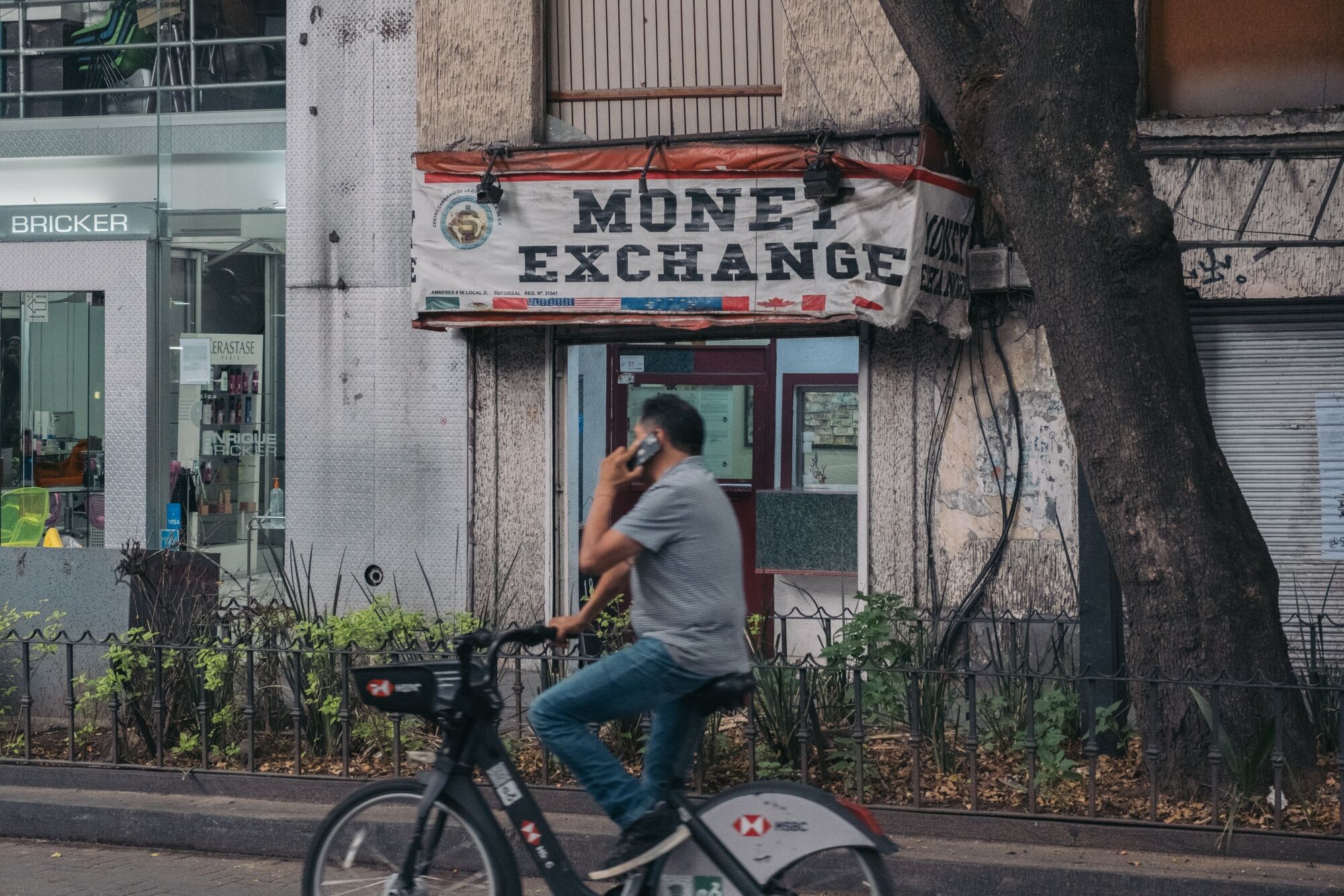
On Wednesday, the Mexican peso dropped for a fifth day, its longest losing streak since May, and South Africa's rand fell for a third day, hitting its weakest since early June.
The Turkish lira rose as much as 0.2% against the dollar after President Recep Tayyip Erdogan said Turkey will use “tight monetary policy” to slow inflation. That represents a reversal of his previous stance, having argued that he would not advocate for higher rates, saying they caused inflation.
World Bank in Talks to Double Turkey Exposure to $35 Billion
Poland's central bank is expected to cut its policy rate by a quarter percentage point to 6.5%, its first move to ease in three years, ahead of elections in less than six weeks. Governor Adam Glapinski said a cut would be warranted if inflation slid into the single digits.
Poland May Cut Rates Weeks Before Tight Election: Decision Guide
Fitch Ratings placed Gabon's credit rating on negative watch, citing high political uncertainty following the military coup on Aug. 30, sparking a selloff in its bonds. Separately, Goldman Sachs said the significant repricing of risk for Gabon's dollar bonds has spilled over to the debt of its regional peers.
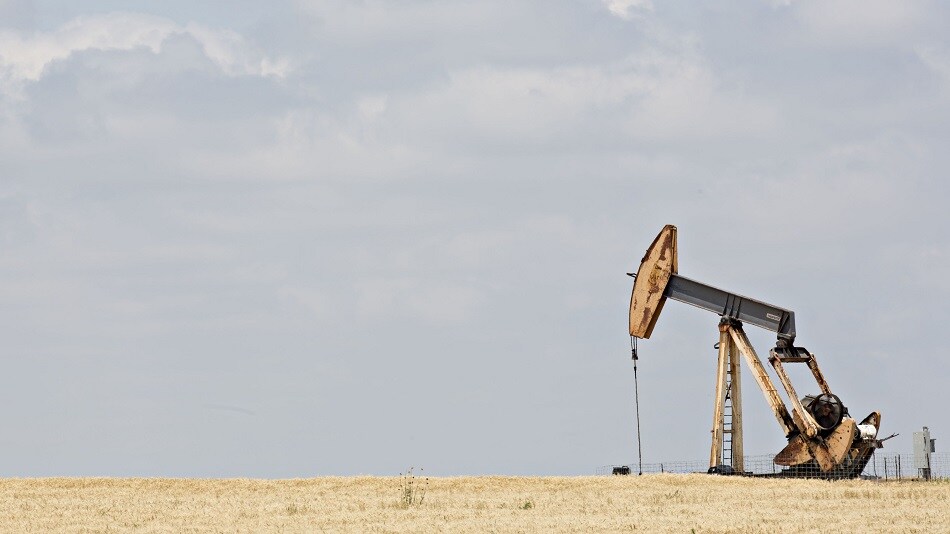
After hitting $90 a barrel for the first time this year, Brent Crude was trading 0.6% lower for the first time in seven days. Worst affected by the surge in fuel prices will be the poorest emerging markets “where fuel purchases are a high portion of household consumption, like India in Large EM and Jordan, Kenya, Morocco, Pakistan, Philippines,” said Hasnain Malik from Tellimer.
(Updated with Turkish lira in eight paragraph.)
More stories like this are available on bloomberg.com
©2023 Bloomberg L.P.

-
Navigating Energy Crossroads: S Jaishankar's Call For Diversified Supply Chains At G20 Ministerial Meeting

As geopolitical fault lines continue to test maritime trade routes and commodity flows, Jaishankar's message remains pertinent: true economic resilience requires open markets, protected transit lines, and a genuine commitment to multilateral cooperation rather than coercion.
-
Indians Are Travelling, But Not Every Journey Is A Holiday | The Week In Whys
Pilgrims, patients and working women are the real travellers, and the system hasn't quite caught up with them.
-
Getting To Work Costs Women More | The Reason Why
It is not just about women paying more than men. It is about women paying much more in cities than in villages.
-
AI Bias In Investing Cannot Be Eliminated, But It Can Be Governed
Framing is a particularly important example as identical financial information presented in terms of gains rather than losses can lead an LLM to reach a different assessment.
-
Joining The Dots | Dark Skies, Steady Diya: Why Hope Holds This Diwali
With war, a weak rupee and foreign outflows weighing on sentiment, policymakers at the NDTV World Summit and market veterans at NDTV Profit Ignite: Diwali Edition offered the same advice: stay invested and filter out the noise.
-
The Curious Case of Equitas Small Finance Bank And A CEO Who Quit For Stock
PN Vasudevan believes persistent investor concerns over a perceived conflict of interest had become a governance overhang on Equitas Small Finance Bank's stock, even as the lender improved profitability and asset quality.
-
Talking Points This Week: AI Cash Burn, A Tiger Comeback And An India That Still Finds Its Own Path
India is not immune to higher oil or tighter global liquidity, yet its earnings base is broader, its domestic policy levers are still available.
-
Foreign Investors Own Half Of HDFC Bank and ICICI Bank. An LTCG Cut Could Matter Most Here
Foreign portfolio investors have US$115 billion parked in HDFC Bank, ICICI Bank. If the government cuts long-term capital gains tax, Jefferies says returning foreign money could land here first.
-
'Never Seen This Level Of Negativity': Sandeep Tandon Says The Next Rally May Be Closer Than You Think
Veteran investor Sandeep Tandon says foreign selling is easing, large-caps are due a comeback and mid-caps are crowded, while he turns positive on gold, power and pharma this Diwali.
-
Indians Stay With Family, Not In Hotels | The Reason Why
India still lacks enough clean, reliable and affordable hotels for budget-conscious travellers.










