Elon Musk Postpones India Visit Citing ‘Very Heavy Tesla Obligations’
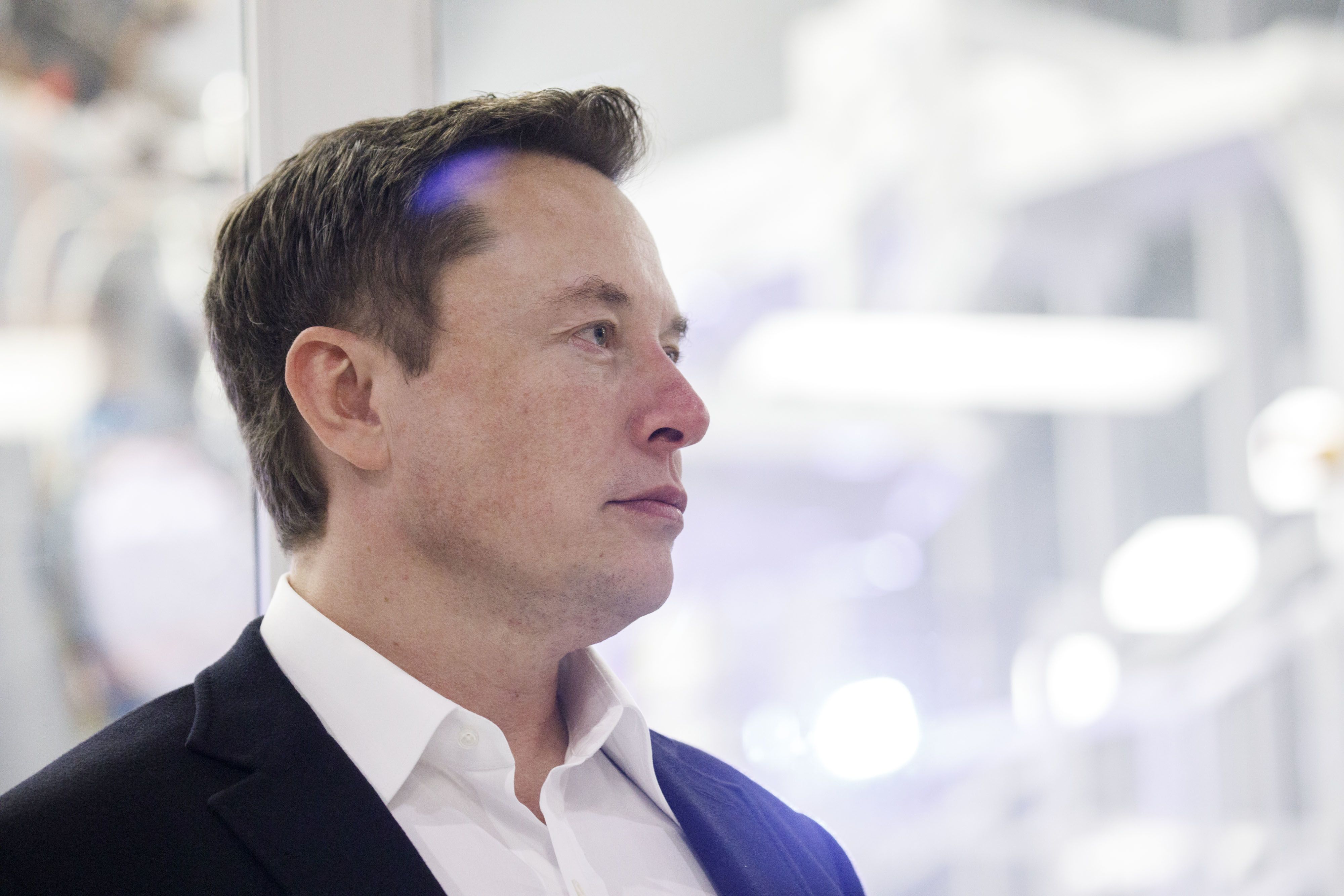
Elon Musk has delayed his long-awaited visit to India, where he was due to meet Prime Minister Narendra Modi, citing heavy obligations at Tesla Inc.
“Unfortunately, very heavy Tesla obligations require that the visit to India be delayed, but I do very much look forward to visiting later this year,” the Tesla CEO posted on X, formerly Twitter—a social media platform that he owns. He was reportedly scheduled to be in India on April 21-22 to announce Tesla's investment plans for India.
Tesla is due to report its quarterly results on April 23.
Unfortunately, very heavy Tesla obligations require that the visit to India be delayed, but I do very much look forward to visiting later this year.
April 20, 2024Musk's tweet follows a hectic week for Tesla in the US.
On Sunday, Musk—in an internal email to Tesla employees—announced job cuts globally citing “duplication of roles and job functions in certain areas”. Two top executives—Drew Baglino, senior vice president of powertrain and energy engineering, and Rohan Patel, vice president of public policy and business development—also resigned.
On Wednesday, Tesla informed the United States Securities and Exchange Commission that it will ask shareholders to once again vote on Musk's compensation package, which was voided by a Delaware court in January.
On Friday, the electric carmaker recalled Cybertruck pickups to fix or replace accelerator pedals that can dislodge and cause the vehicle to unintentionally accelerate. On the same day, Tesla slashed its car prices by up to $2,000.
Additionally, Tesla is due to declare its Q1 earnings on April 23. The carmaker has clocked its first quarterly sales decline in four years—only 357,000 units were sold in January-March as against estimates of a tad under 450,000 units. That estimate too was a downward revision from the 530,000 units expected earlier. Analysts now are warning of an annual sales decline for the world's most valued carmaker.
To be sure, a Musk-Modi meeting would've worked in both their favours.
For the prime minister, an announcement regarding Tesla's investments in India would've burnished his development-oriented credentials at a time when he is seeking re-election for a third time. For the centi-billionaire, an expansion into India would have given Tesla access to the world's third-largest automotive market, where electric cars are witnessing surging demand amid a global downturn.
Modi, in fact, laid out a red carpet of sorts for Tesla to make in India.
In March, India tweaked its EV policy to reduce customs duty on electric cars to 15% from 70-100% earlier, provided a global carmaker invests at least $500 million to set up shop in the country. The high import tax was proving to be a sticking point for Tesla's entry into India.
Since then, however, the Model 3 maker has moved into a higher gear to fasttrack its India plans. Tesla, according to reports, is manufacturing right-hand cars at its Berlin plant for the Indian market. Its officials are reportedly scouting for locations to set up a manufacturing facility as well as retail operations. Additionally, the company has reportedly tied up with Tata Electronics for componentry that will go into locally produced cars.
“India should have electric cars just like every country has electric cars,” Musk had said in a Spaces chat on X earlier. “It's a natural progression to provide Tesla cars in India.”
Turns out, that “natural progression” is still some time away.

-
One Battle After Another: India's Corporate Dynasties Battle For Control

2026 could go down as Corporate India's year of succession wars, governance battles and family fault lines.
-
Rs 50-Lakh Gold In Bank Locker, Rs 3 Lakh Of Protection: The Gap Most Families Don't Know About
The RBI ties a bank's liability to the annual locker rent and families who want to insure their jewellery face a separate question about how to prove what was inside.
-
The More Food Turns Into Fuel, The Harder It Is To Read Agricultural Markets | The Reason Why
A policy designed to reduce dependence on imported fuel can create new pressures elsewhere in the food economy.
-
Your iPhone Costs 12 Grams Of Gold, A Car About 100. What Does Your Life Weigh?
Measured in rupees, almost everything looks more expensive than it did a generation ago. Measured in grams of gold, a lot of it has become cheaper.
-
Gold Is Rs 22,000 Cheaper Than A Month Ago. Should You Buy Amid The Wedding Season?
Gold's potential slide to $3,500 could save around Rs 4,700 per 10 grams, but a soft inflation print could just as easily push prices back up. One way to split the risk is to buy in parts, some now and the rest after the Fed's Dec. 9 decision.
-
AI Agents Are Gaining Power. Who Governs Them?
Artificial intelligence agents promise to transform productivity by moving machines from assisting decisions to executing them. But as organisations delegate greater authority to these AI-agents, they must first establish who controls that authority and who remains accountable when things go wrong.
-
Why Swapping Your Old Gold Can Trigger A Rs 5 Lakh Tax Bill, And How You Can Avoid It Legally
Swapping old gold for new is taxed as a sale and a fresh purchase. Getting your own gold remade can cut most of that bill, though it has its own costs.
-
The AI Trade is Done. The Real Opportunity for Investors Starts in 2027 | Unhedged Position
As pureplay AI stocks plunge and circular, capex-led financing unwinds, 2027 is set to be a year of reckoning for AI companies. Yet the bust clears the way for a better opportunity for investors in 2027 -- shifting the spotlight from AI builders to the companies using AI.
-
Leadership As Mission: Why The Age Of AI Demands More Human Leadership
Debjani Ghosh examines how AI is changing leadership, arguing that its success must be measured by its impact on people and the accountability of those guiding its use.
-
We May Need Another Tukaram Mundhe To Fight Air Pollution | The Reason Why
Developers may install basic measures such as sprinklers and green nets, resume work, and continue violating rules when this equipment stops working.









