Electricity Generation, Demand Tumble In March Amid Lockdown
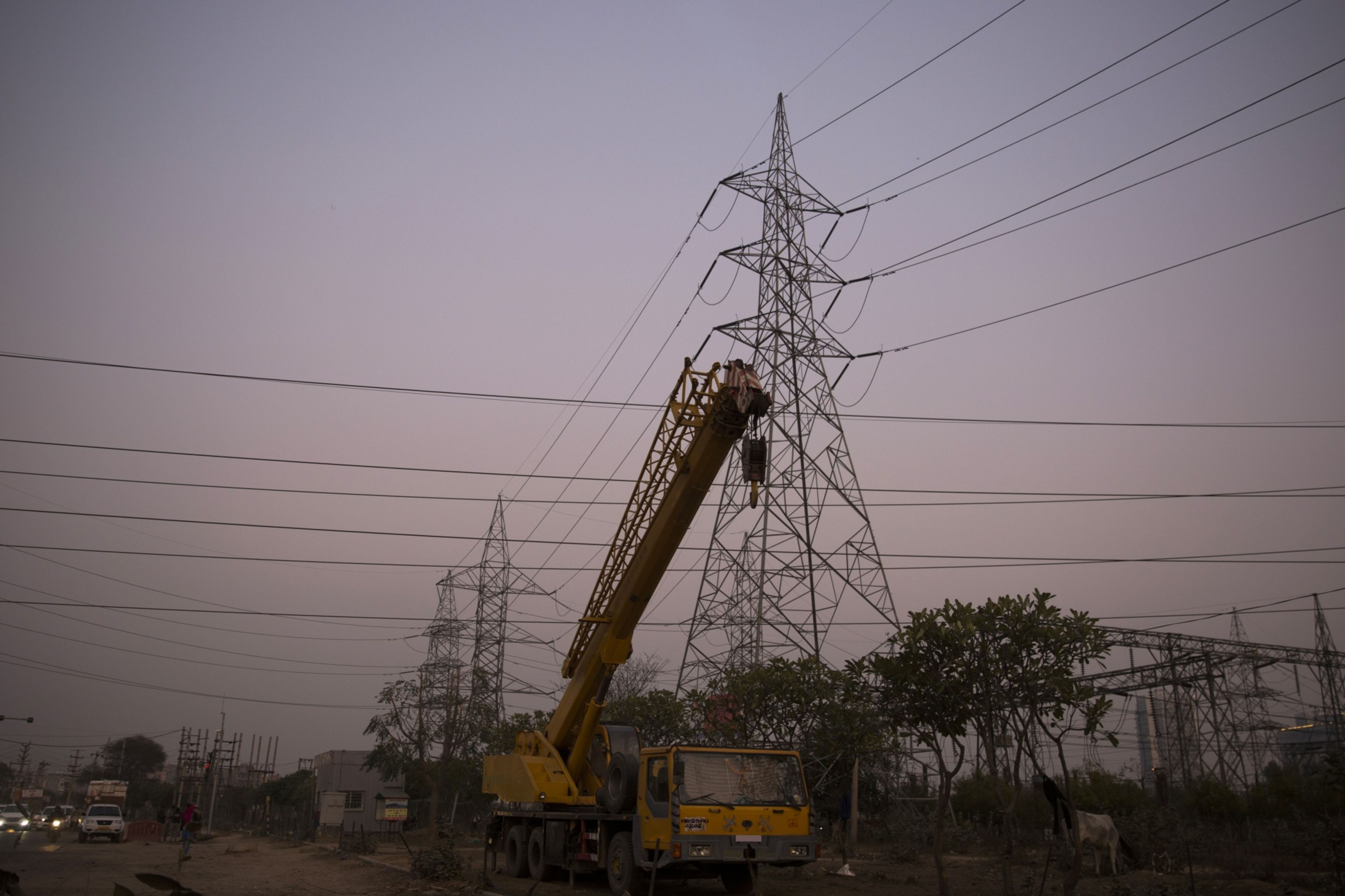
Energy demand declined in March and is expected to do so in April as well led by the national lockdown that shuttered all businesses barring essential services following the novel coronavirus outbreak.
Demand for electricity fell 8.9 percent over the previous year to 98.8 billion units in March while supply decreased 9.2 percent year-on-year to 99.4 billion units, with the energy deficit remaining at 0.4 percent, according to data provided by the Central Electrical Authority. The contraction in demand comes after three consecutive months of growth till February.
Shreyas Vaidya, analyst at India Ratings and Research, wrote in a note that demand recovery remains uncertain due to the uncertainty around relaxation of lockdown period timelines amid rising Covid-19 cases and its impact on economic growth.
Thermal plant load factors—a metric for capacity utilisation—are expected to remain low on account of the extension of lockdown, he said. Coal-fired plants account for more than 70 percent of India's electricity demand.
Power generation fell by 8.2 percent over the previous year to 107.4 billion units in March as peak demand declined 23-25 percent during the lockdown in the country, Central Electrical Authority data showed. Generation in April, according to Emkay Global Research, is expected to decline by 32.2 percent.
Anuj Upadhyay, analyst at Emkay Global Research, said in a report that the national lockdown led to a 23-25 percent decline in power demand and generation as offtake from commercial and industrial consumers that account for 40 percent of the total demand was very low. Demand, however, is expected to witness a gradual pick-up in the coming weeks with the onset of peak summers and some relaxations in the green zone areas, Upadhyay said.
The Union Power Ministry made a proposal to PFC/REC to provide special loans to distribution companies to help them clear power generators' outstanding bills amounting to Rs 90,600 crore. Falling power demand has led to discoms not purchasing much of power, thereby increasing the dues.
The BSE Power Index has fallen by nearly a fourth this year, while the S&P BSE Sensex declined by 23 percent.

-
Ten Things I Learnt This Samvat

Patience can be a trap. Cheap stocks can stay cheap. Leverage can wipe you out. What did Samvat 2082 teach us? Niraj Shah writes on 10 lessons from the year gone by.
-
Talking Points This Week: Tech Nerves, FII Buying, And A Faraway Banking Shock
The global markets are not shining this Diwali. The exception in the large markets is, India.
-
Midterm Rally Lasted A Day. The Hard Reality Of A Divided US May Last Two Years | Opinion
Between a contested AI boom, a debt ceiling that arrives in 2027 and a president with every incentive to act alone, the next two years may prove more volatile than the first day's rally suggests.
-
Blue Wave Will Derail the AI Trade but Won't Dismantle the AI Era | Unhedged Position
The Democrats' sweep of the US Congress will see politics collide with economic forces both over the long and short term.
-
It's Time To Take The GST Council's Bet On Trust Global
Payment records can prove India's services exports, and clear, proportionate rules can bring foreign digital sellers into the tax net.
-
Opinion | India at 38: From Innovation Overperformer to Innovation Powerhouse
India now has 453 VC-backed deep science startups, 18 of them late-stage, after 117 percent growth since 2020. Laurus Labs, at USD 9.3 billion, is the most valuable deep science company in any middle-income economy outside China.
-
Navigating Energy Crossroads: S Jaishankar's Call For Diversified Supply Chains At G20 Ministerial Meeting
As geopolitical fault lines continue to test maritime trade routes and commodity flows, Jaishankar's message remains pertinent: true economic resilience requires open markets, protected transit lines, and a genuine commitment to multilateral cooperation rather than coercion.
-
Indians Are Travelling, But Not Every Journey Is A Holiday | The Week In Whys
Pilgrims, patients and working women are the real travellers, and the system hasn't quite caught up with them.
-
Getting To Work Costs Women More | The Reason Why
It is not just about women paying more than men. It is about women paying much more in cities than in villages.









