EV Makers Must Partner With Miners To Secure Key Metals
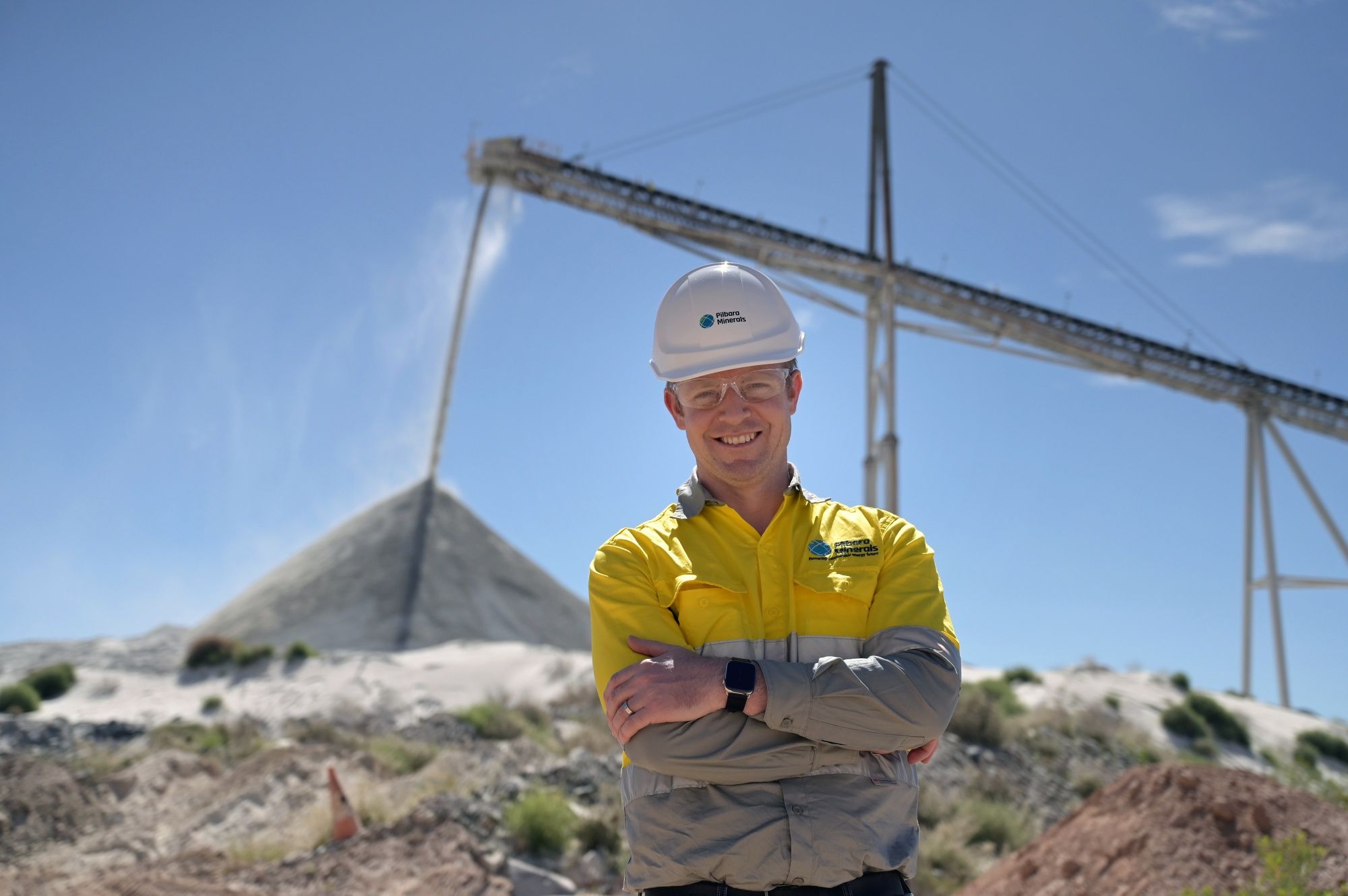
(Bloomberg) -- A key lithium producer in Australia, the world's top supplier, is urging electric car manufacturers and battery makers to become its partners in new refinery projects, arguing their direct financial backing is vital to avoid shortfalls of the material that's crucial to the clean energy transition.
Pilbara Minerals Ltd. is seizing on a current rush by automakers to secure future supplies of battery materials by seeking new deals with customers to jointly develop refineries, Chief Executive Officer Dale Henderson said in an interview.
“There's certainly a level of desperation from some groups” who are end-users of lithium and seeking more access to output, he said. “If you believe the supply-demand outlook, there's going to be a shortage, and the car companies who haven't secured the supply chain are going to have a problem.”
Lithium demand is forecast to almost triple by mid-decade from last year's level, BloombergNEF said in a July report. Prices hit a new record in China last month on increasing consumption, with automakers including BMW AG and General Motors Co. among companies adding new supply agreements in recent weeks.
Pilbara Minerals — which has a market valuation of about $8.5 billion — is planning a major expansion of its mine in Western Australia in the next two years that will nearly double output of lithium-bearing raw materials. At the same time, the company will aim to leverage current strong demand to move away from long-term supply deals and win more pricing power.
Previously, lithium miners had rushed to strike agreements with refiners, battery companies and car manufacturers to show investors the strength of the market for their product, and to help secure funding to develop projects. With analysts now predicting prices will stay elevated after more than doubling this year, according to a key index, producers are in a stronger position to demand better deals.
“Two years ago, no one wanted to be in lithium, and the phone would not ring,” Henderson said. “Now, the phone won't stop ringing.”

Another Australian lithium miner, Liontown Resources Ltd., demonstrated the sector's growing bargaining power in June, when it sealed a deal with Ford Motor Co. The supply pact was notable because it included a A$300 million ($195 million) loan from the car giant at a comparatively low interest rate of 1.5% above the bank bill swap rate, a common benchmark in Australia.
Whereas Liontown sought funding for its Kathleen Valley mine project in western Australia, Pilbara Minerals sees the chance to add to its foothold in downstream chemical processing, a strategy designed to help the producer diversify away from the volatility of raw commodities.
Read more: Australia's Mining State Aims to Build Battery Manufacturing Hub
China-based Tianqi Lithium Corp. has begun producing lithium hydroxide at a refinery in western Australia — the first new major hub outside its home country — and Albemarle is developing a separate operation nearby. It's unlikely Pilbara would add a similar facility in Australia, though, it's in the early stages of planning a refinery that would turn lithium-bearing ore — known as spodumene — into an intermediary salt product.
That would be easier to produce than lithium hydroxide, and also more valuable and cheaper to transport than spodumene concentrate, Henderson said.
Pilbara's mine expansion will add an extra 400,000 tons a year of hard rock lithium ore — which equates to around 50,000 tons of battery grade lithium — within the next two years, Henderson said. Last year, Australia exported 247,000 tons of lithium, accounting for around 50% of global supply.
More stories like this are available on bloomberg.com
©2022 Bloomberg L.P.

-
Love, Sex Aur Dhokha: The Audacious Plot To Spy On Jensen Huang

A Taipei dinner, a Singapore chip buyer and a suspected Chinese asset: inside the alleged spy operation that got close to NVIDIA's Jensen Huang.
-
Ten Things I Learnt This Samvat
Patience can be a trap. Cheap stocks can stay cheap. Leverage can wipe you out. What did Samvat 2082 teach us? Niraj Shah writes on 10 lessons from the year gone by.
-
Talking Points This Week: Tech Nerves, FII Buying, And A Faraway Banking Shock
The global markets are not shining this Diwali. The exception in the large markets is, India.
-
Midterm Rally Lasted A Day. The Hard Reality Of A Divided US May Last Two Years | Opinion
Between a contested AI boom, a debt ceiling that arrives in 2027 and a president with every incentive to act alone, the next two years may prove more volatile than the first day's rally suggests.
-
Blue Wave Will Derail the AI Trade but Won't Dismantle the AI Era | Unhedged Position
The Democrats' sweep of the US Congress will see politics collide with economic forces both over the long and short term.
-
It's Time To Take The GST Council's Bet On Trust Global
Payment records can prove India's services exports, and clear, proportionate rules can bring foreign digital sellers into the tax net.
-
Opinion | India at 38: From Innovation Overperformer to Innovation Powerhouse
India now has 453 VC-backed deep science startups, 18 of them late-stage, after 117 percent growth since 2020. Laurus Labs, at USD 9.3 billion, is the most valuable deep science company in any middle-income economy outside China.
-
Navigating Energy Crossroads: S Jaishankar's Call For Diversified Supply Chains At G20 Ministerial Meeting
As geopolitical fault lines continue to test maritime trade routes and commodity flows, Jaishankar's message remains pertinent: true economic resilience requires open markets, protected transit lines, and a genuine commitment to multilateral cooperation rather than coercion.
-
Indians Are Travelling, But Not Every Journey Is A Holiday | The Week In Whys
Pilgrims, patients and working women are the real travellers, and the system hasn't quite caught up with them.









